· Corporate Photography
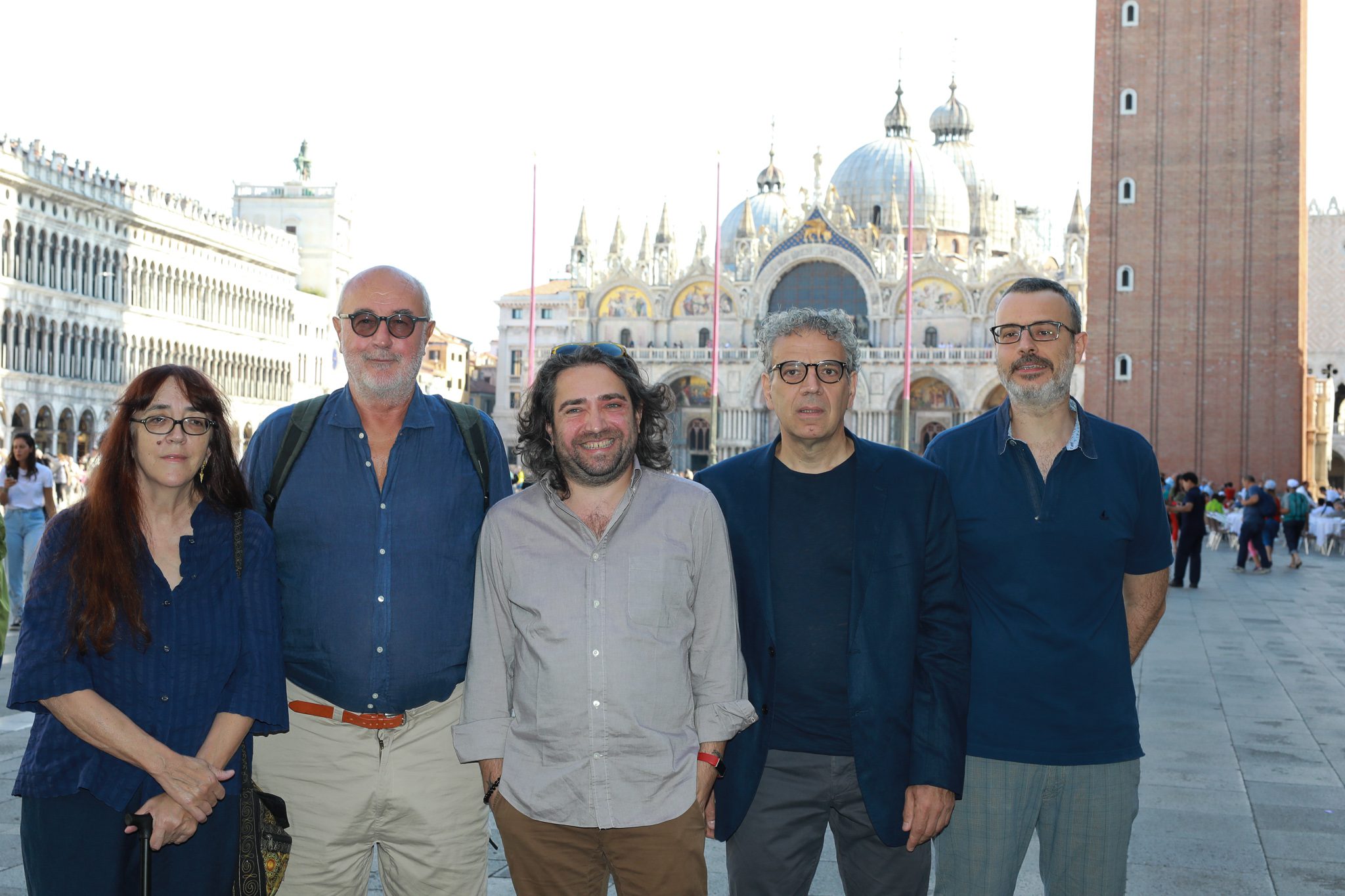
Official Photographer at the Premio Campiello 2019 in Venice

Photographing the 57th Premio Campiello: a challenge of emotion, organisation and speed
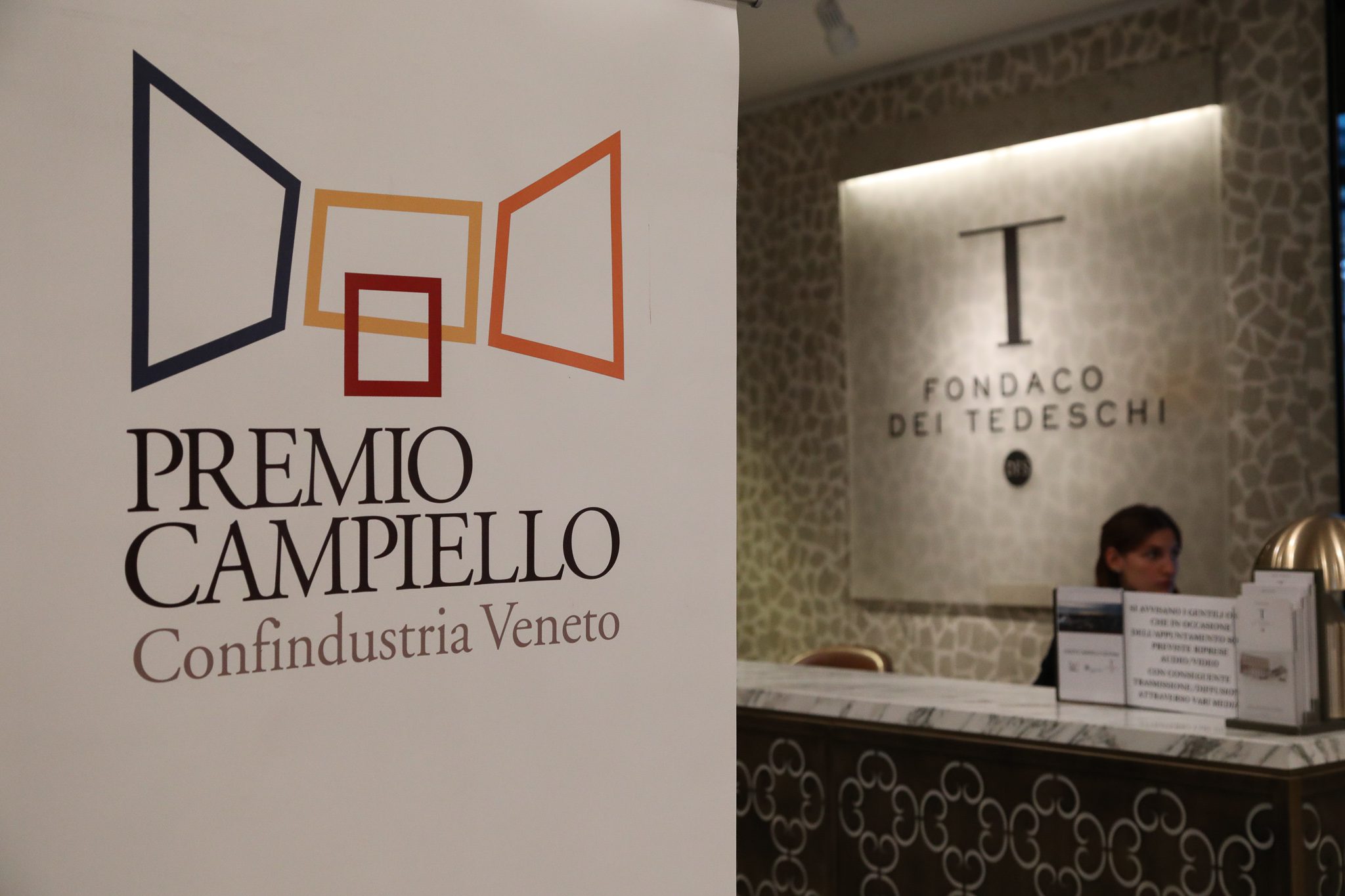
In September 2019, I had the opportunity to provide photography for the 57th Premio Campiello, one of the most prestigious events in Italian culture and literature.
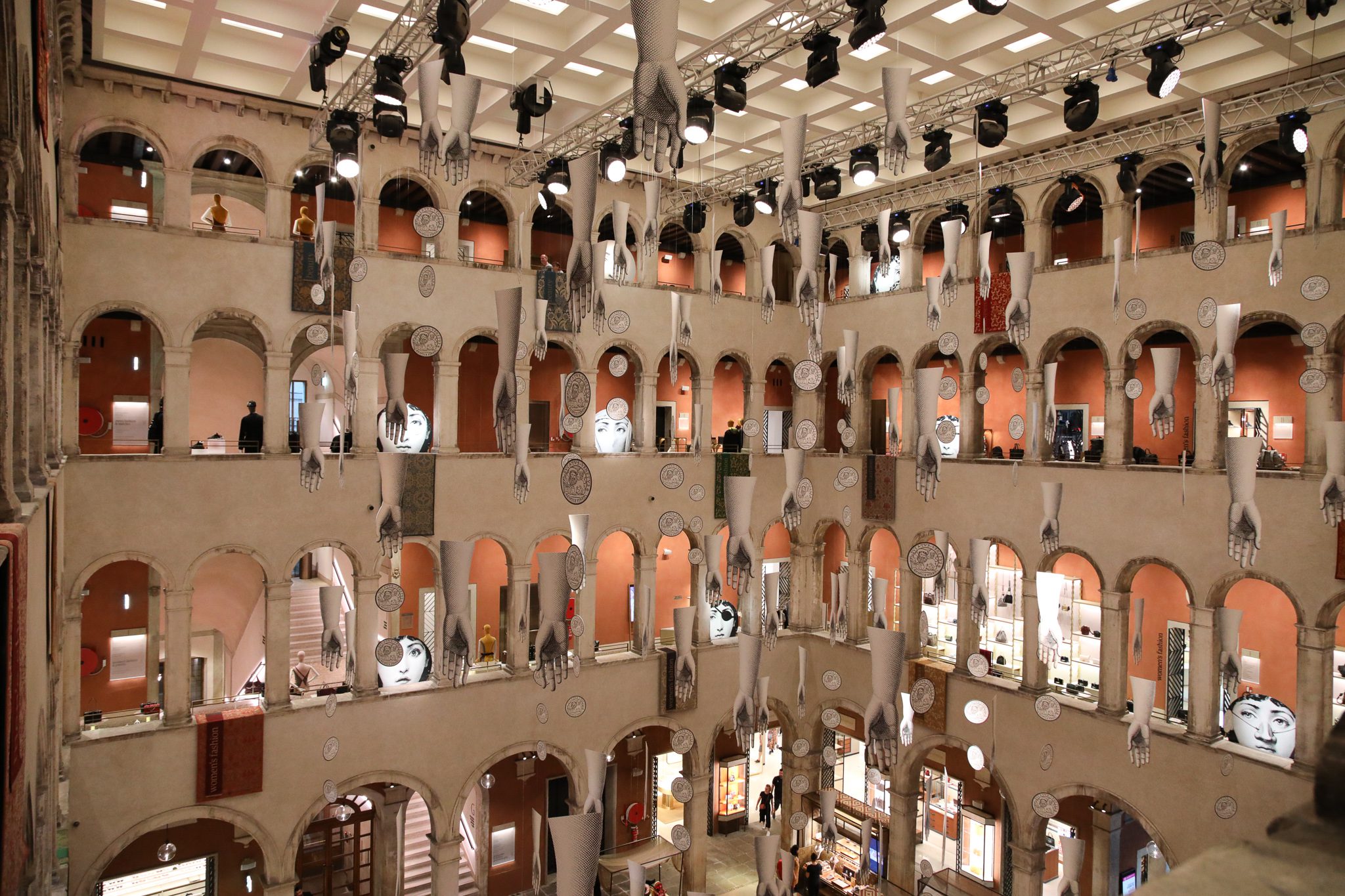
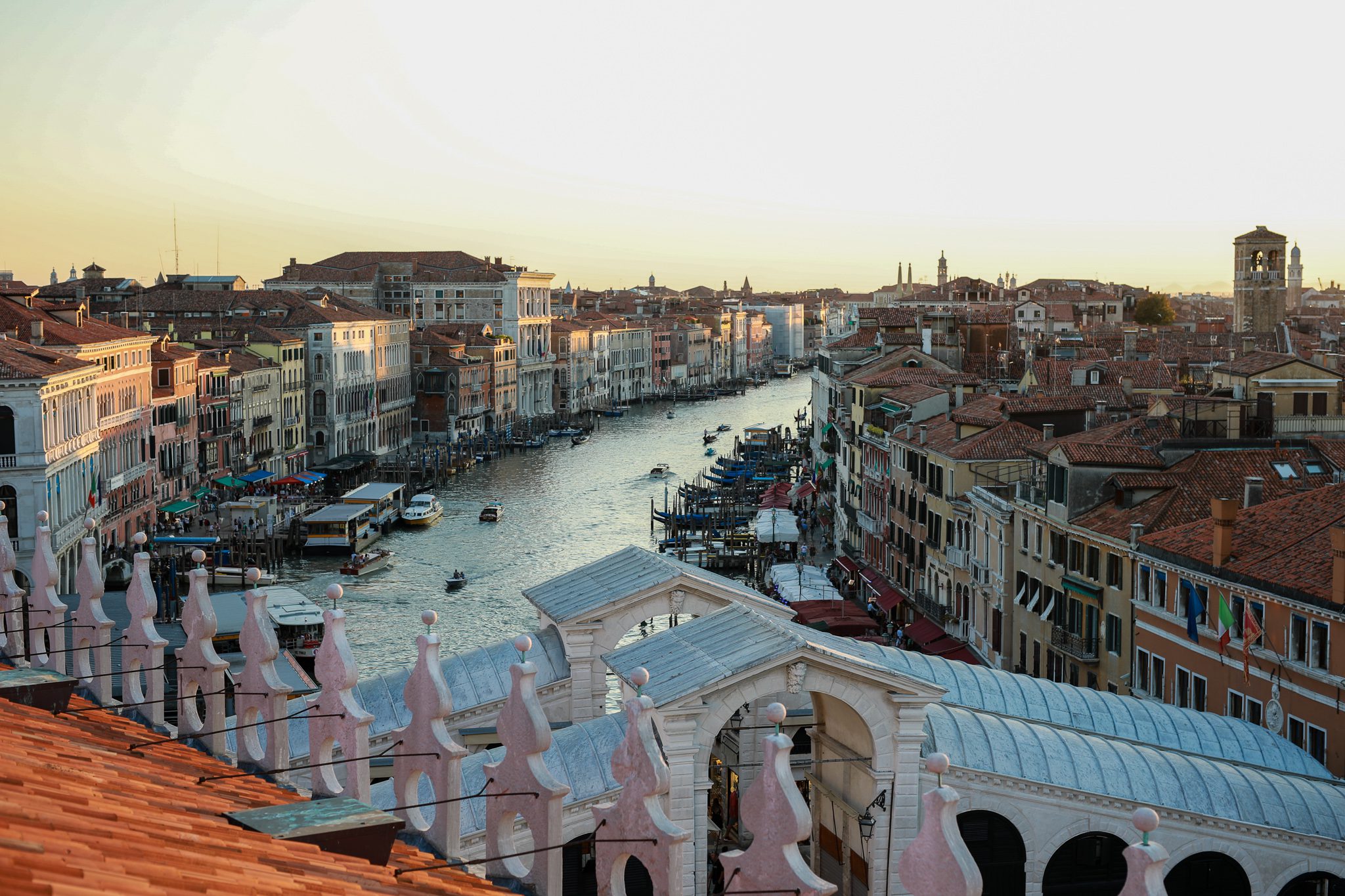
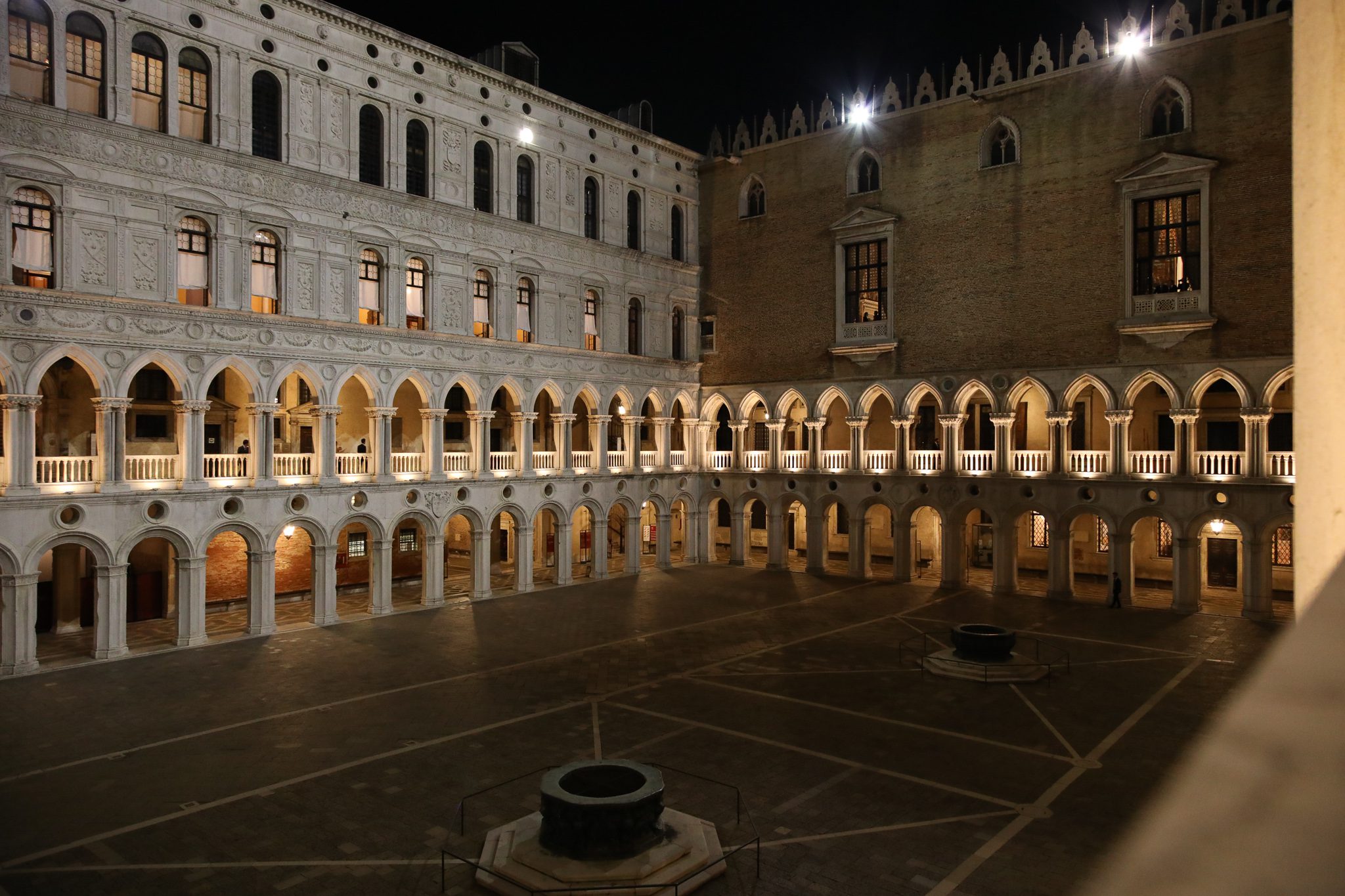
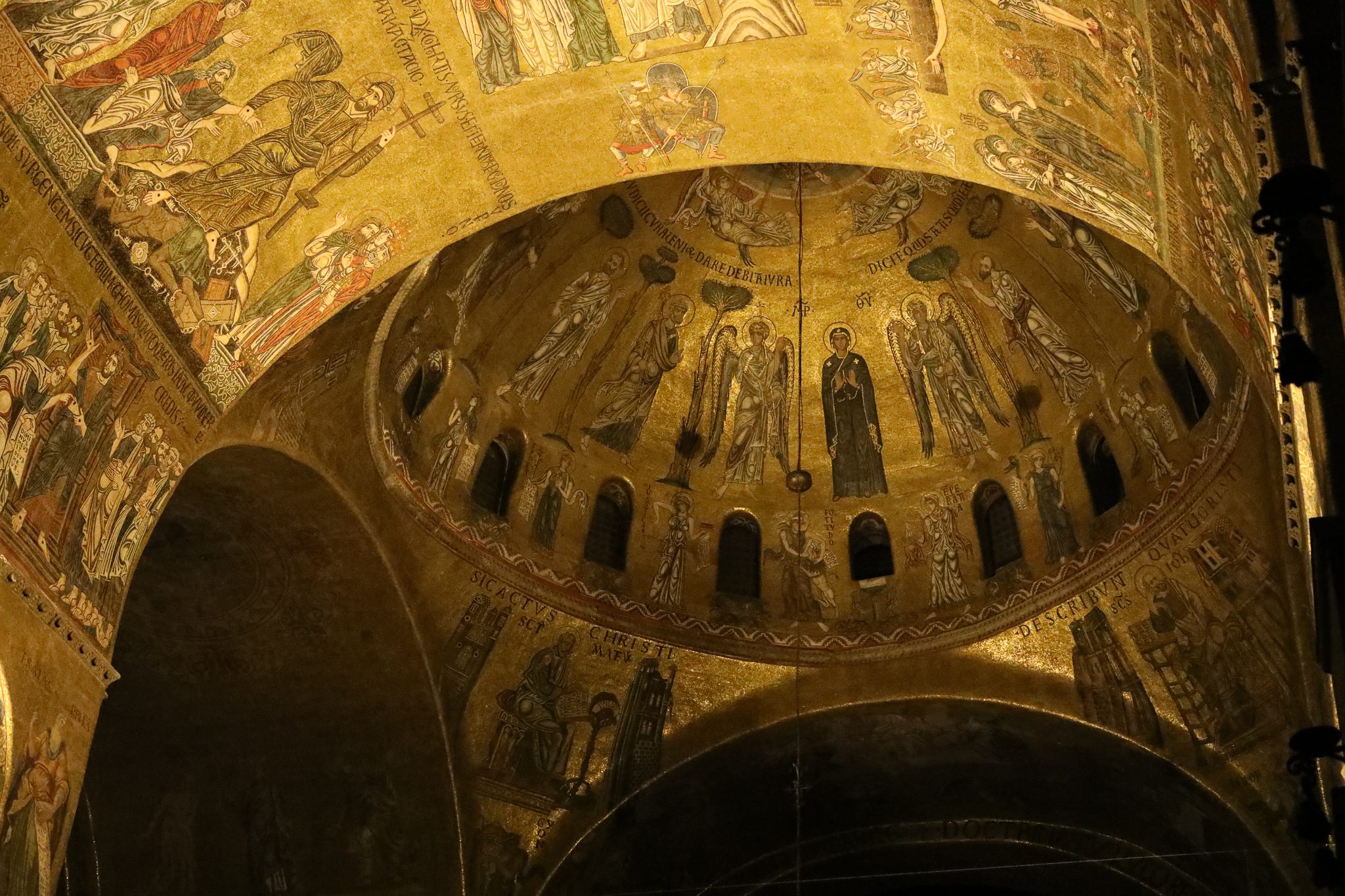
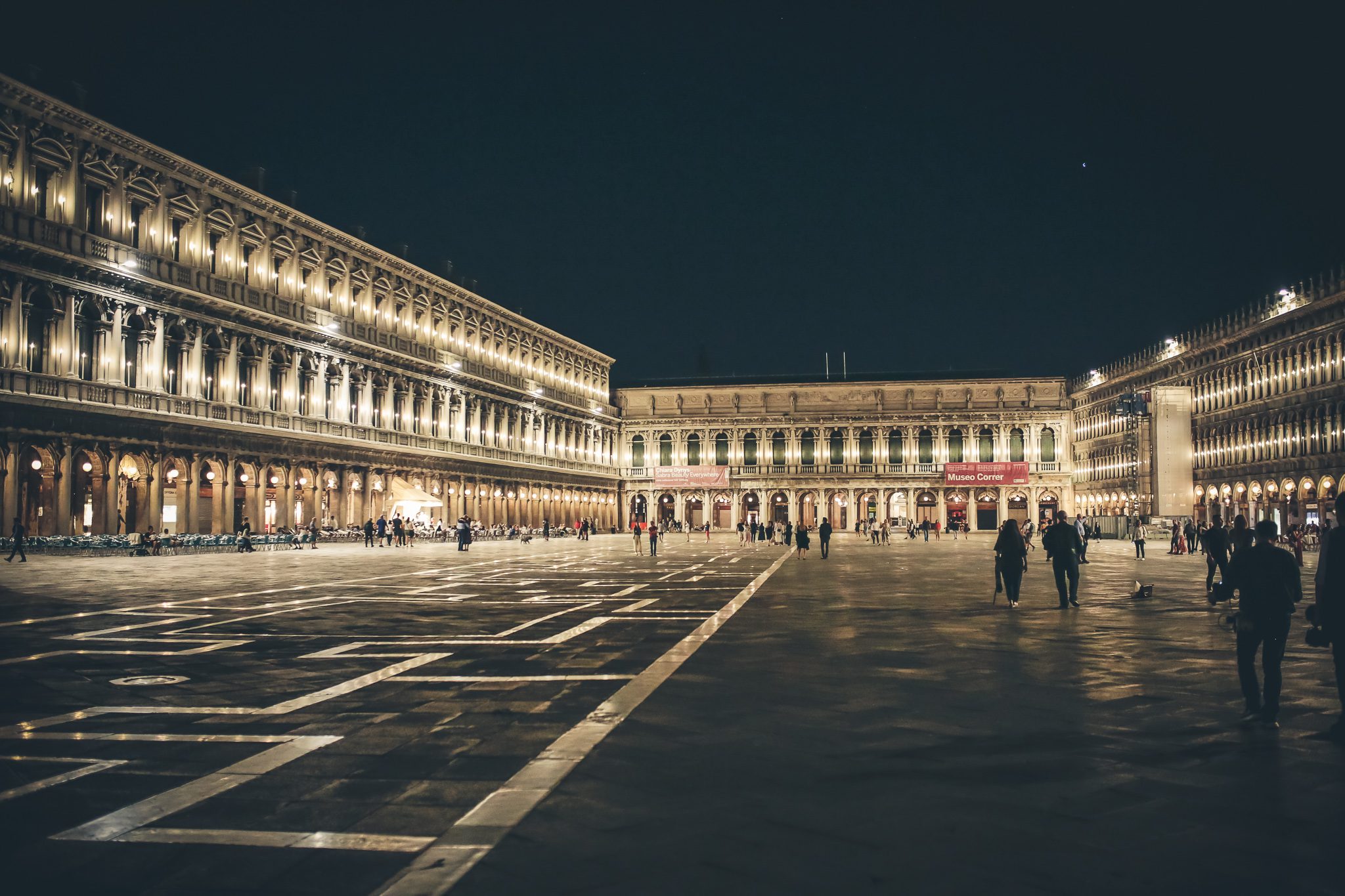
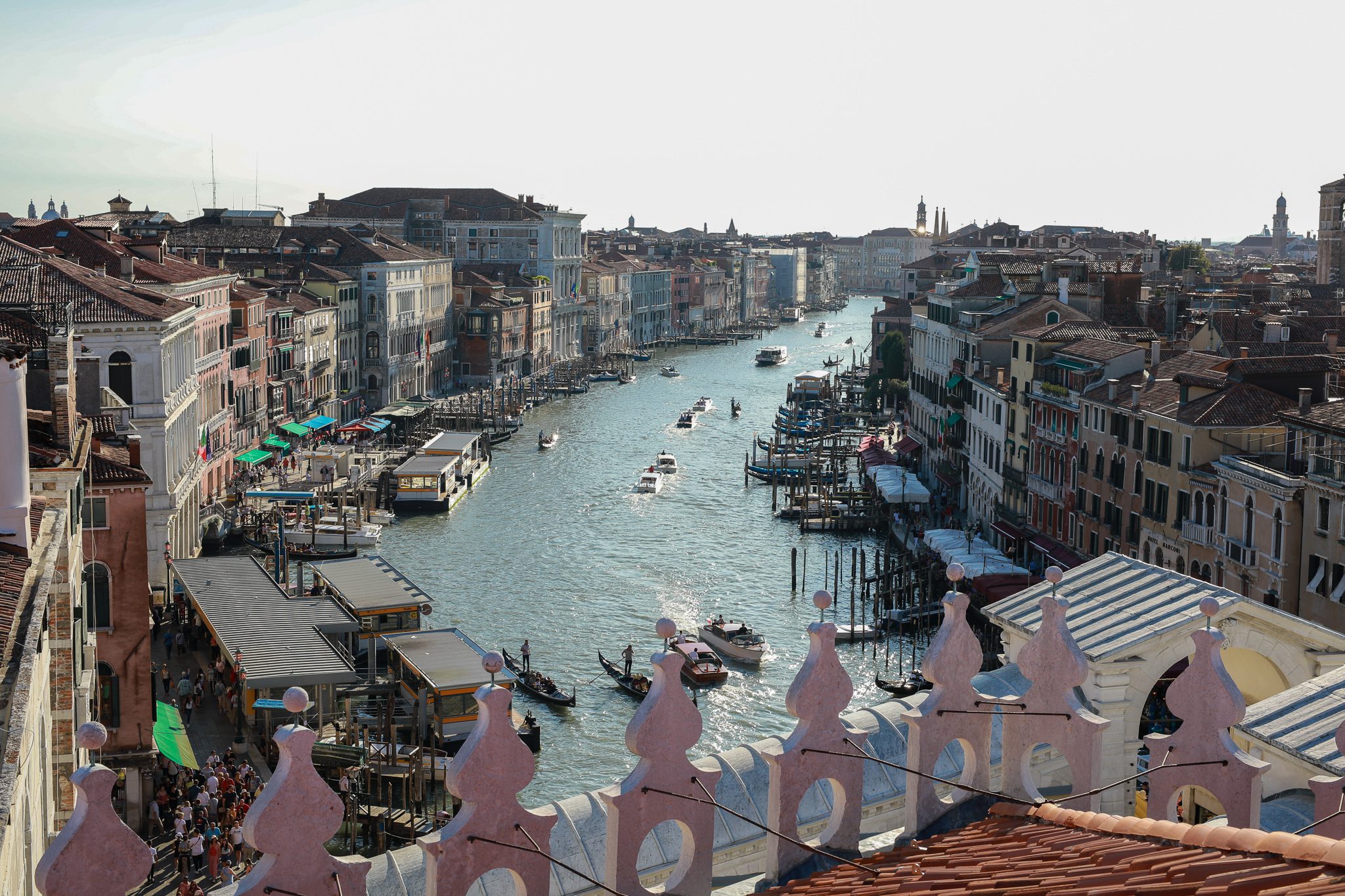
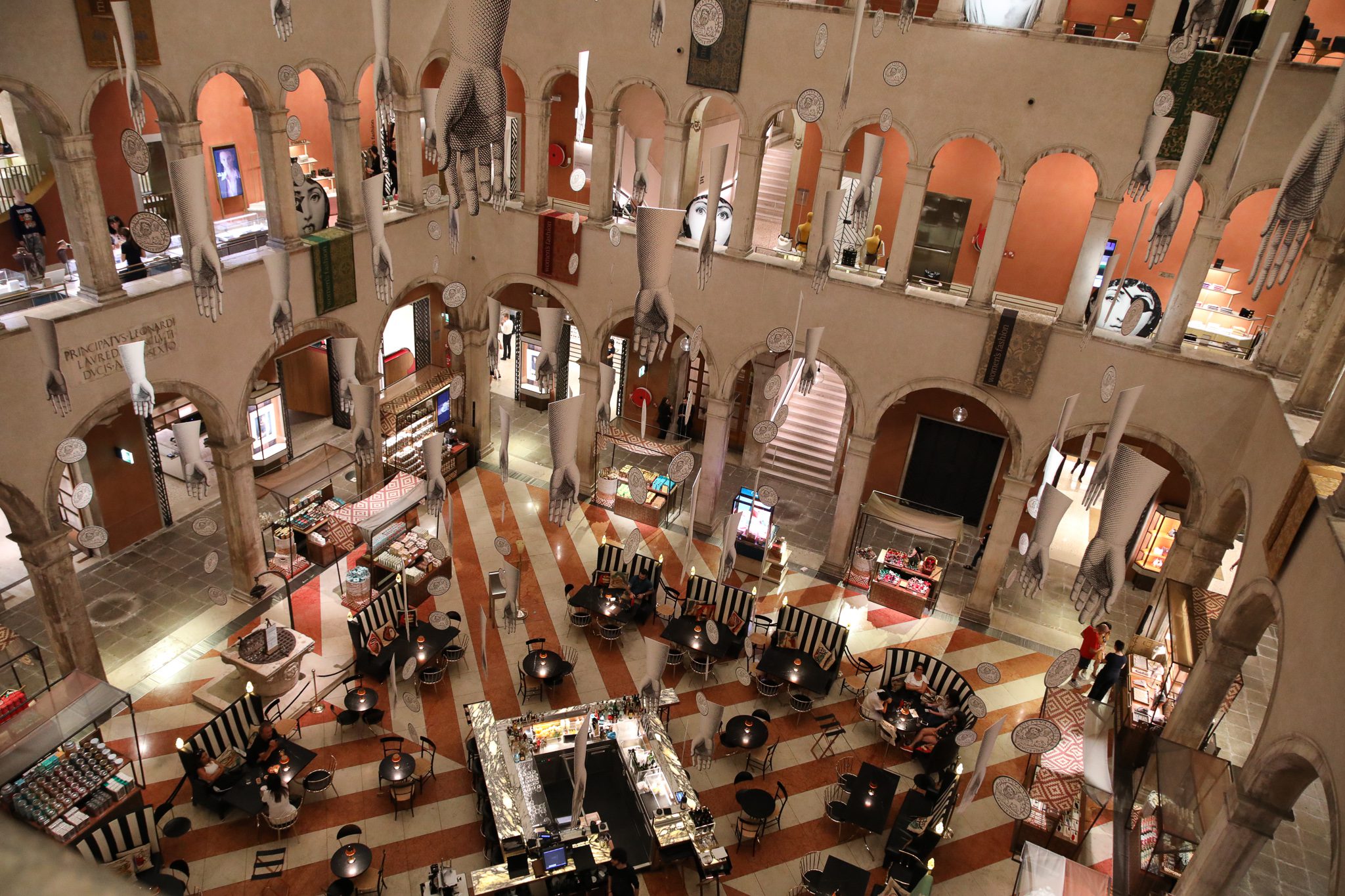
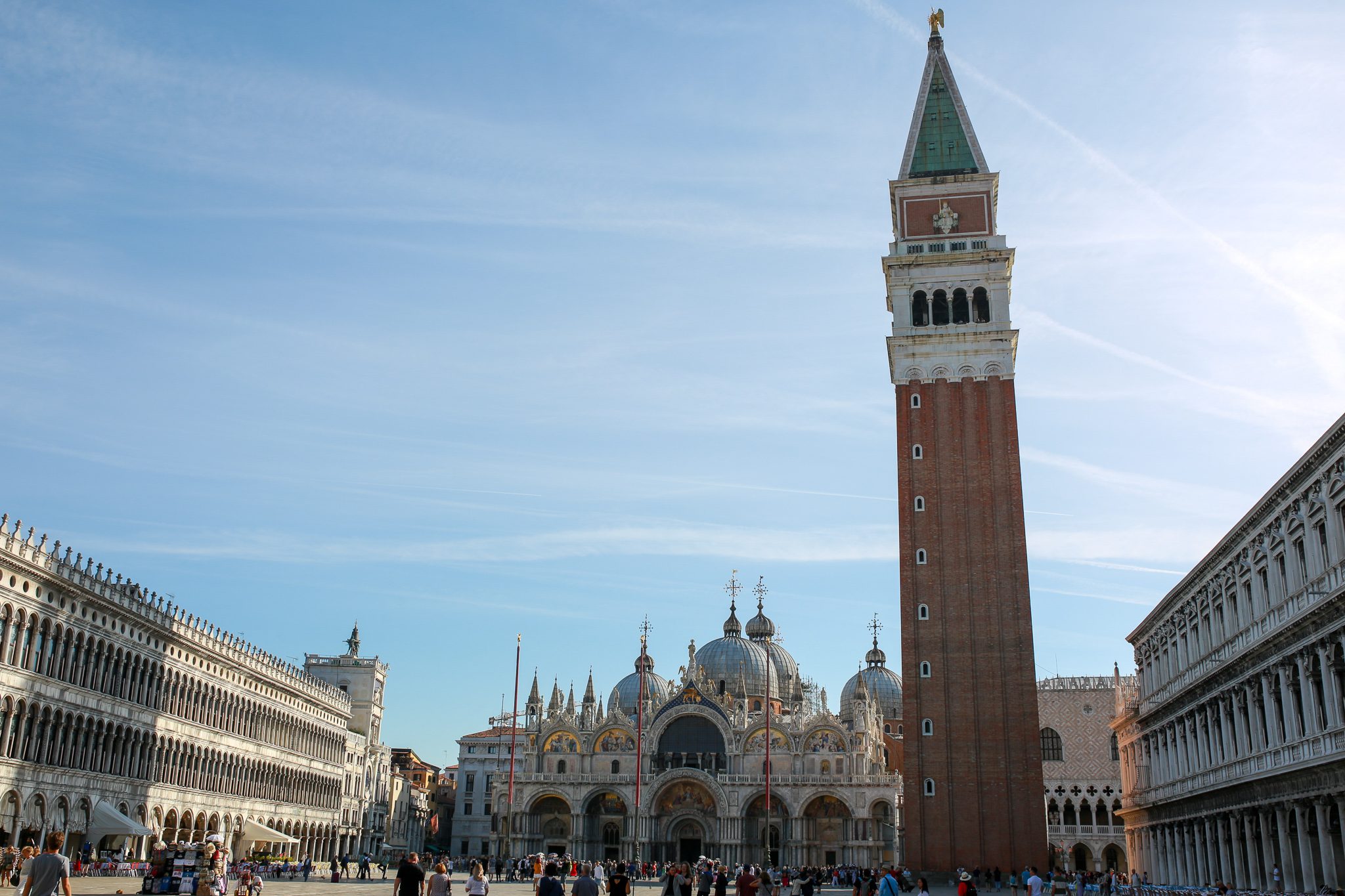
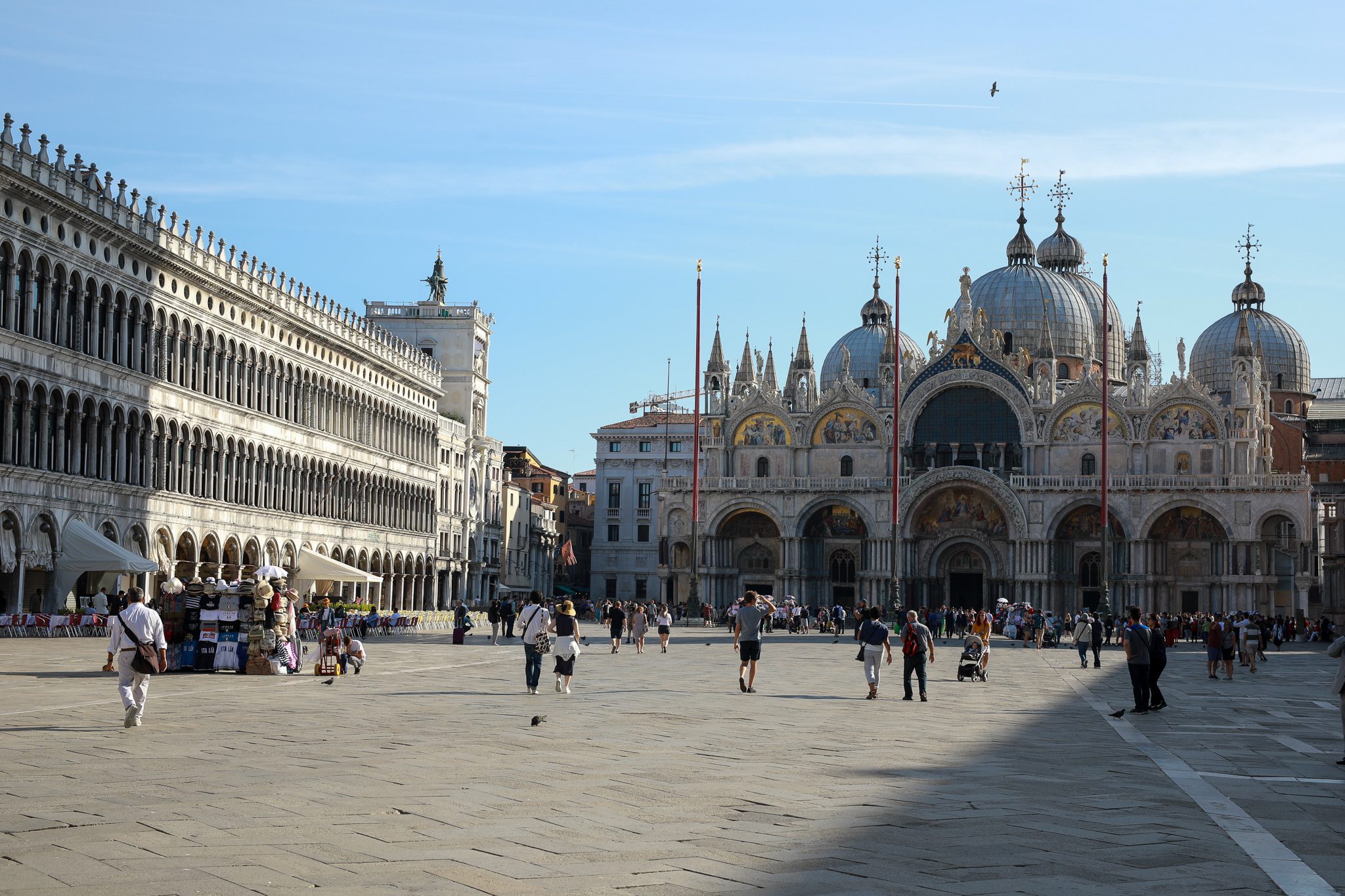
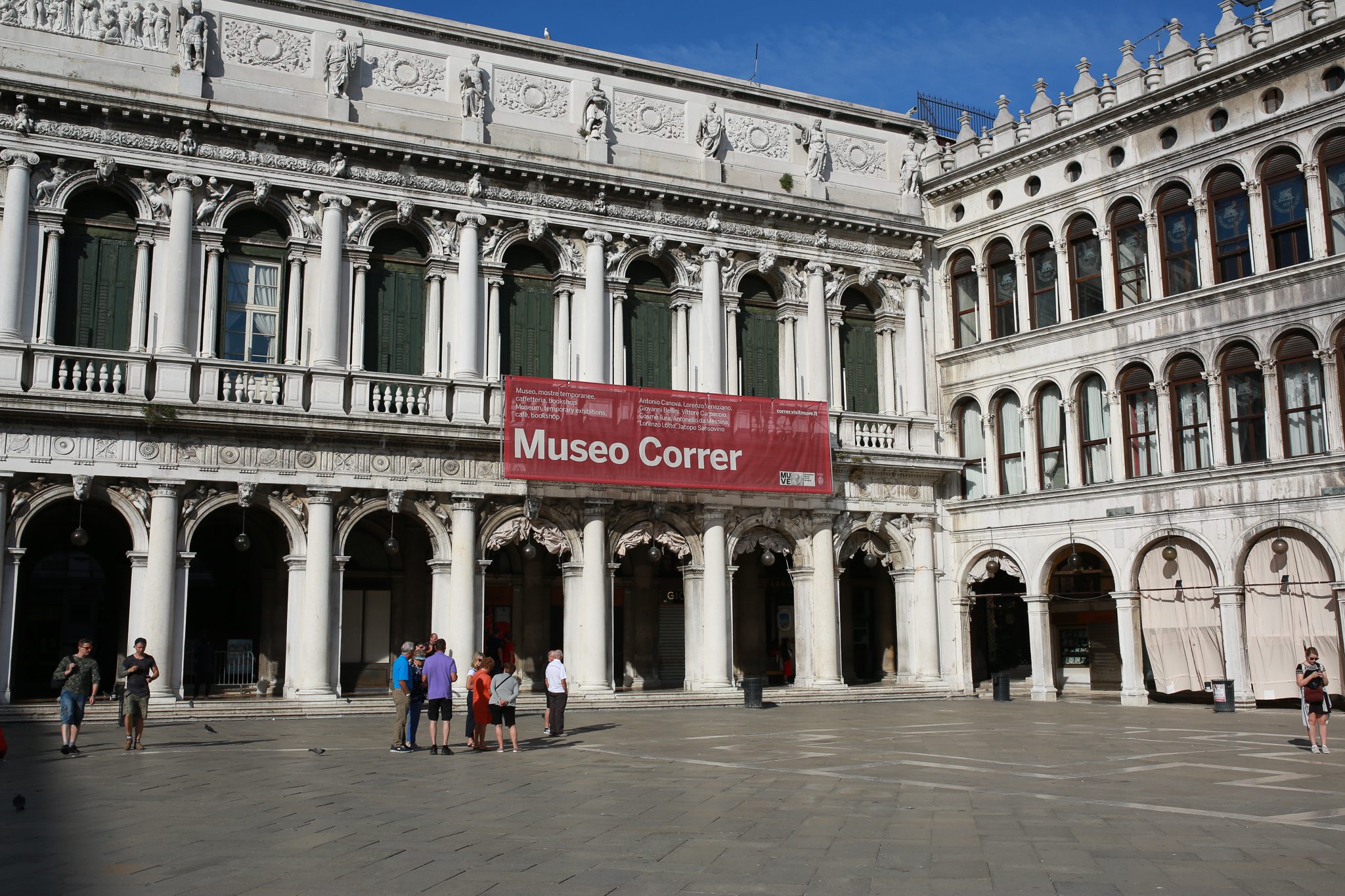
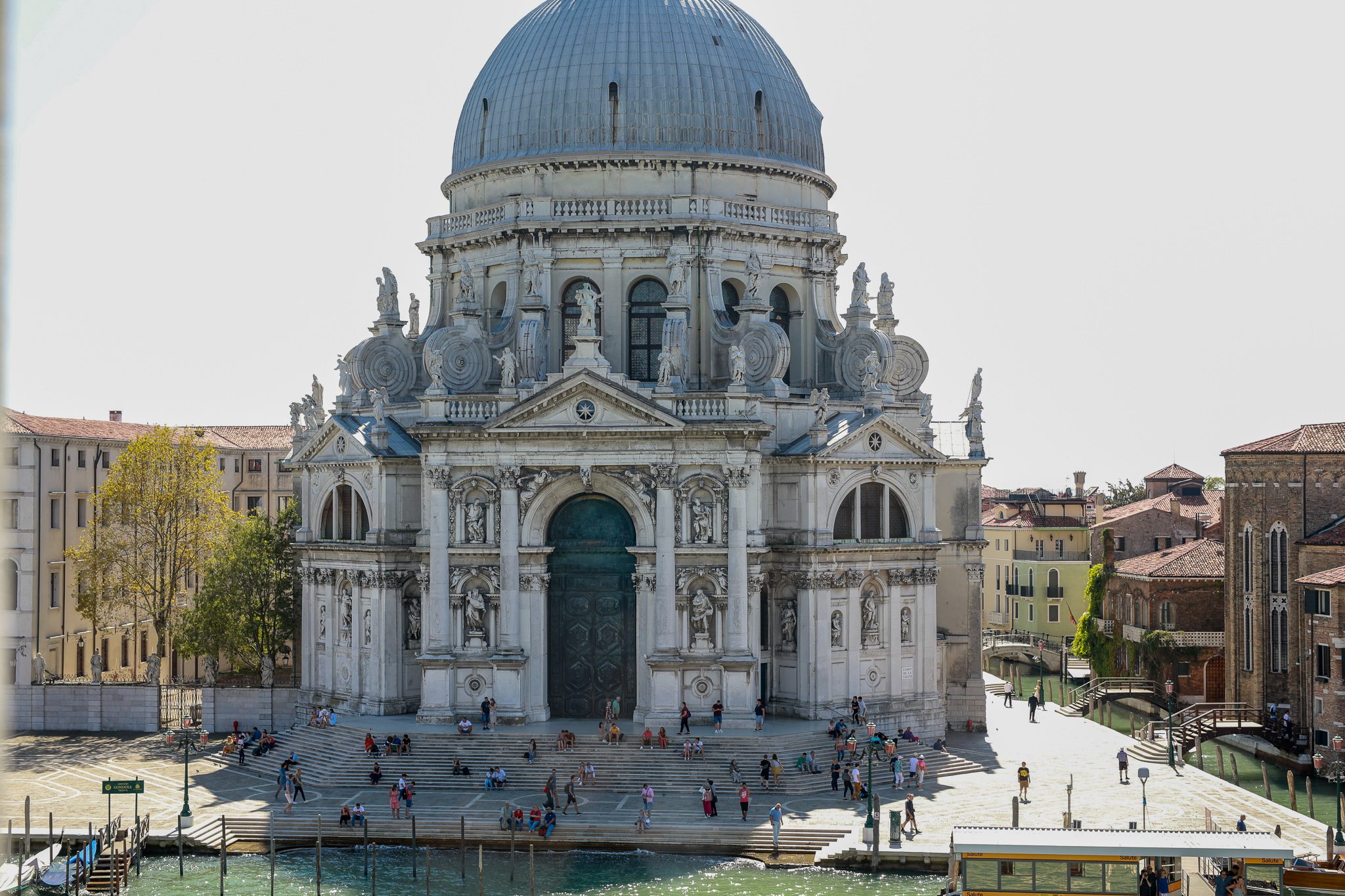
The assignment took place on 13 and 14 September, across some of Venice’s most iconic locations: Palazzo Ducale, Museo Correr, Piazza San Marco, the Sale Apollinee and Teatro La Fenice.
It was one of the most important, complex and demanding experiences of my professional career.
Photography was just one part of a much more complex operation involving planning, coordination, quick decisions and the ability to handle unexpected situations.
The Premio Campiello: literature, culture and business
The Premio Campiello was established in 1962 by Industriali del Veneto to create a tangible link between business and Italian culture.
Throughout its history, it has brought public attention to authors and novels that have become an important part of contemporary literature.
The event is promoted by Fondazione Il Campiello – Confindustria Veneto and is considered one of the leading cultural initiatives to emerge from the meeting of business, the local community and publishing.
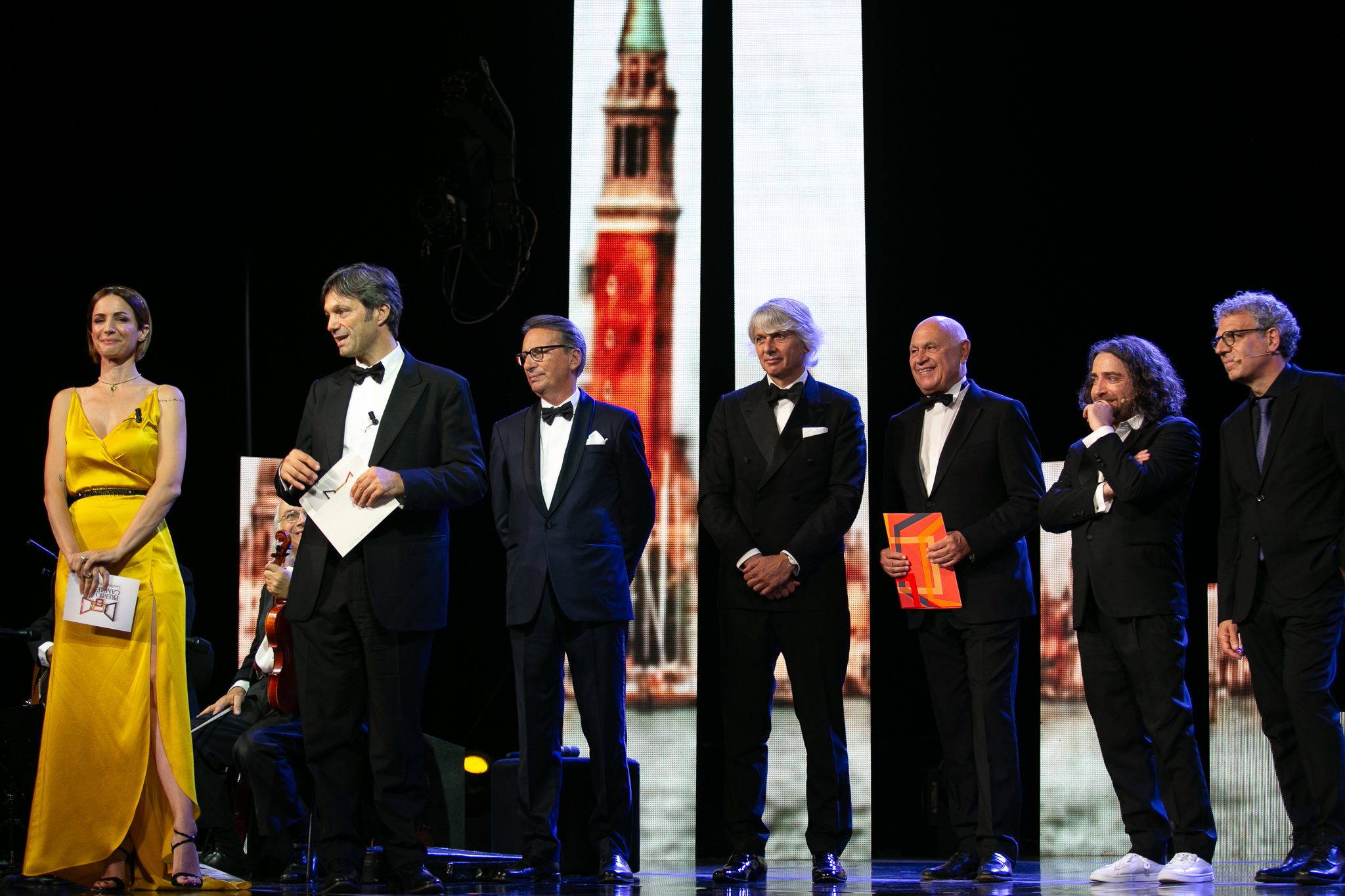
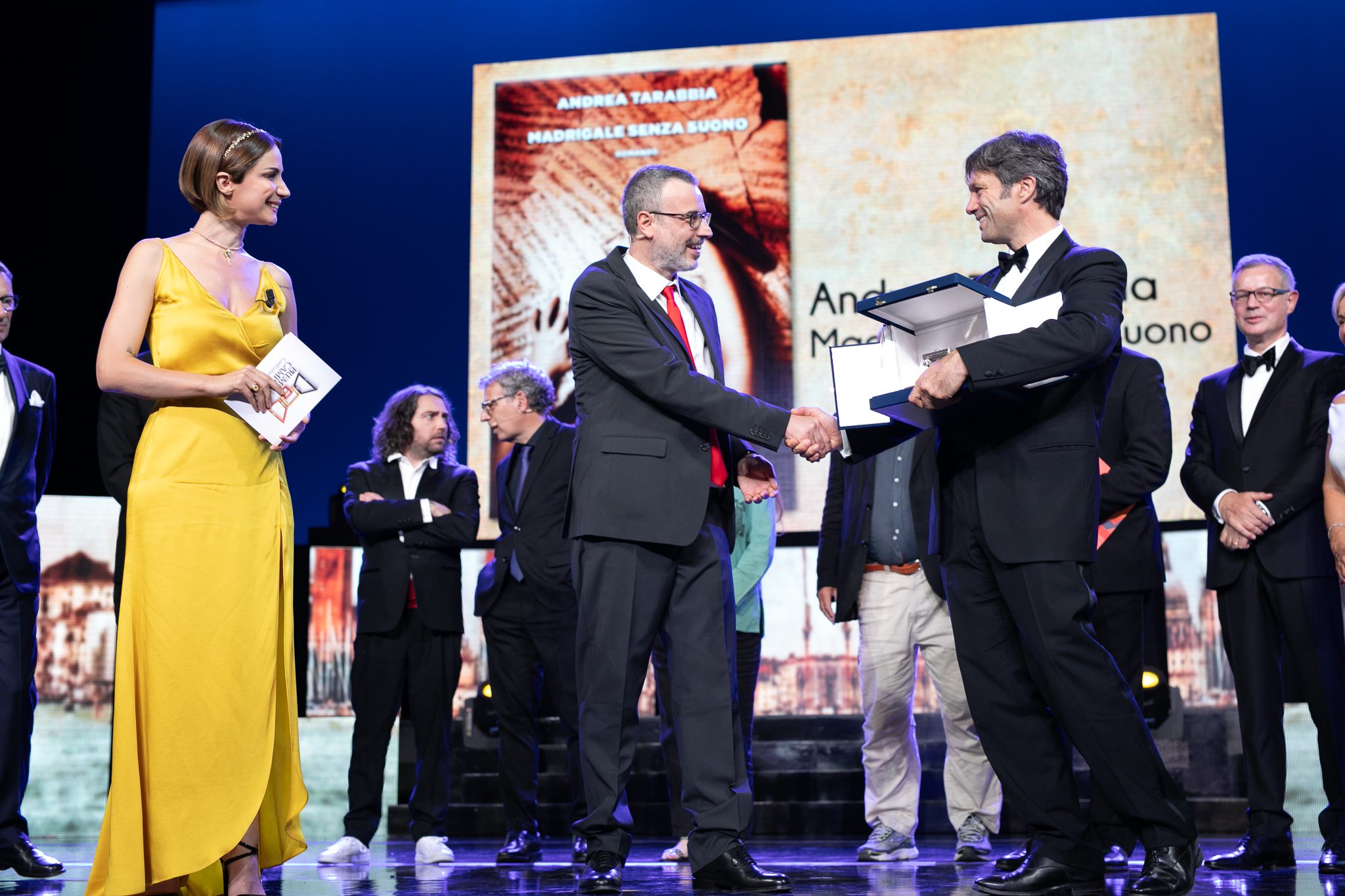
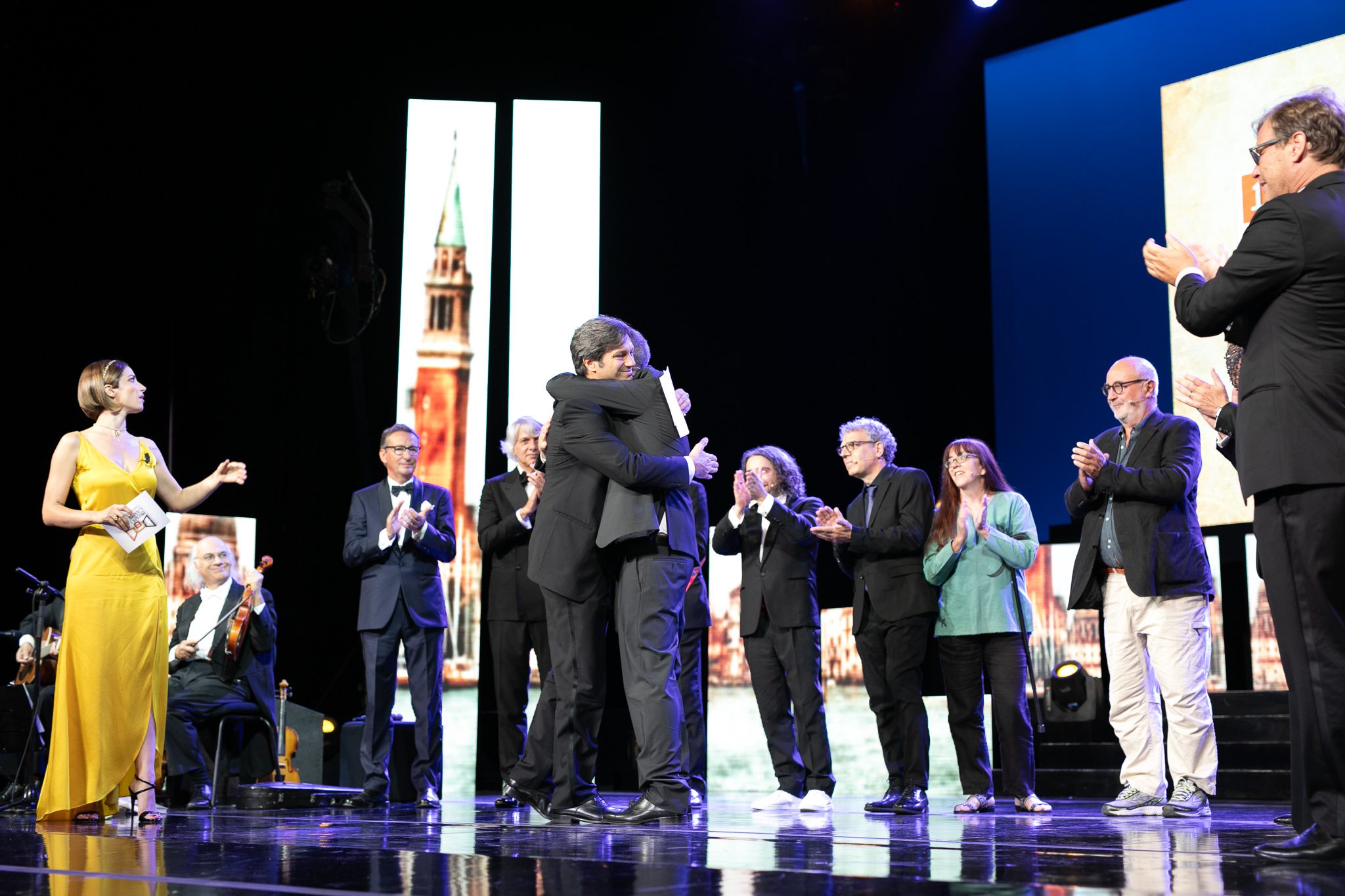
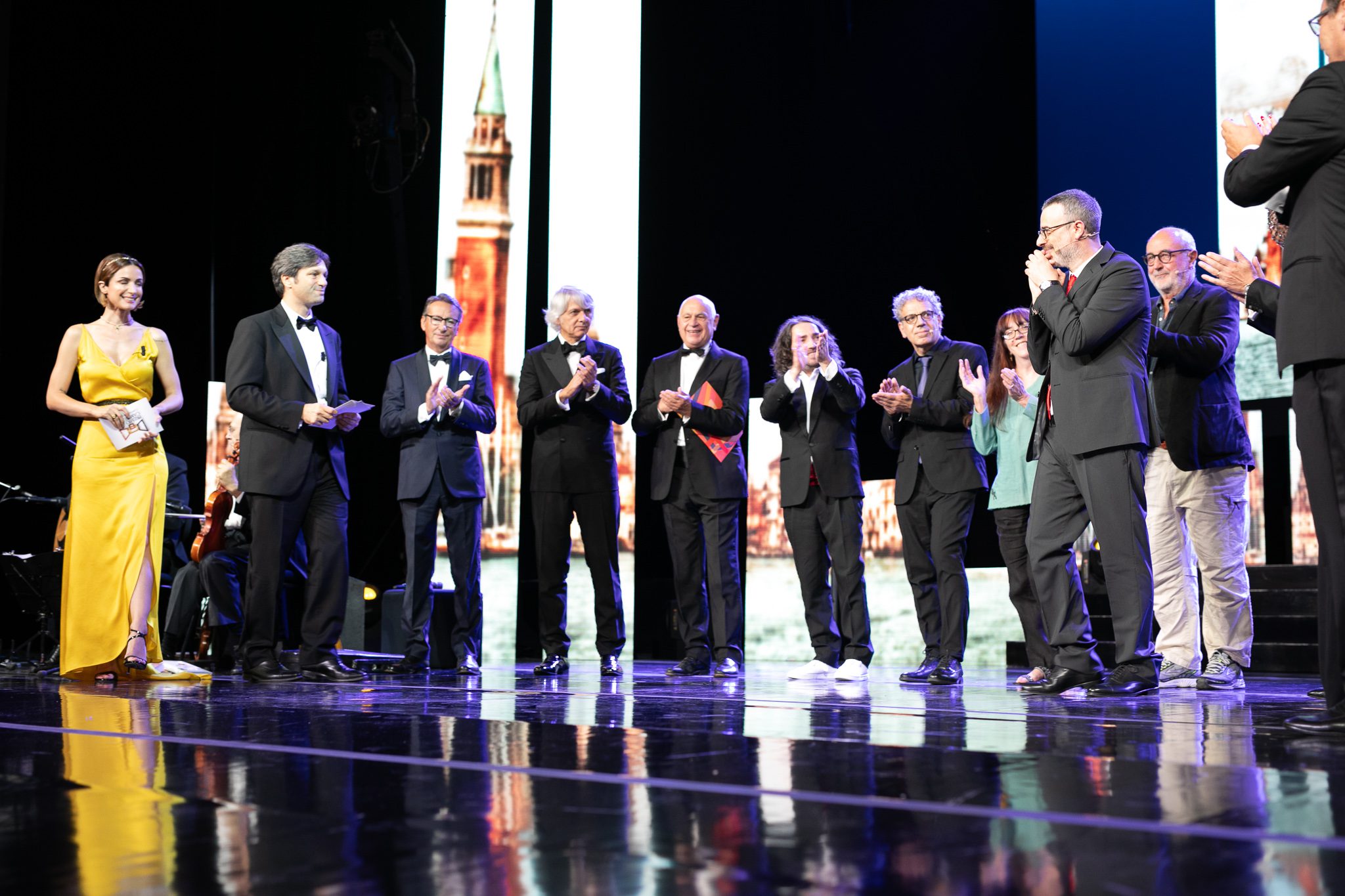
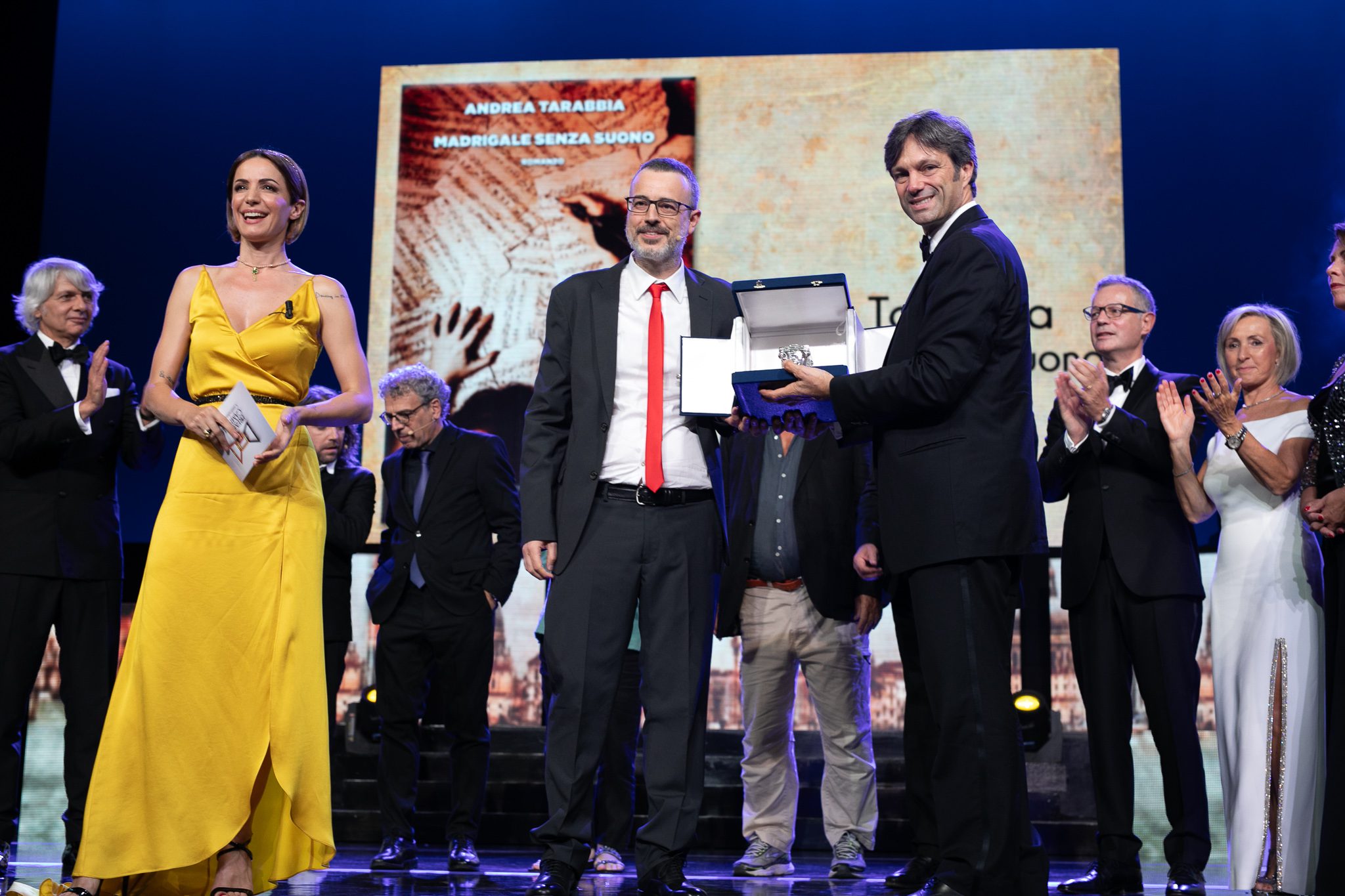
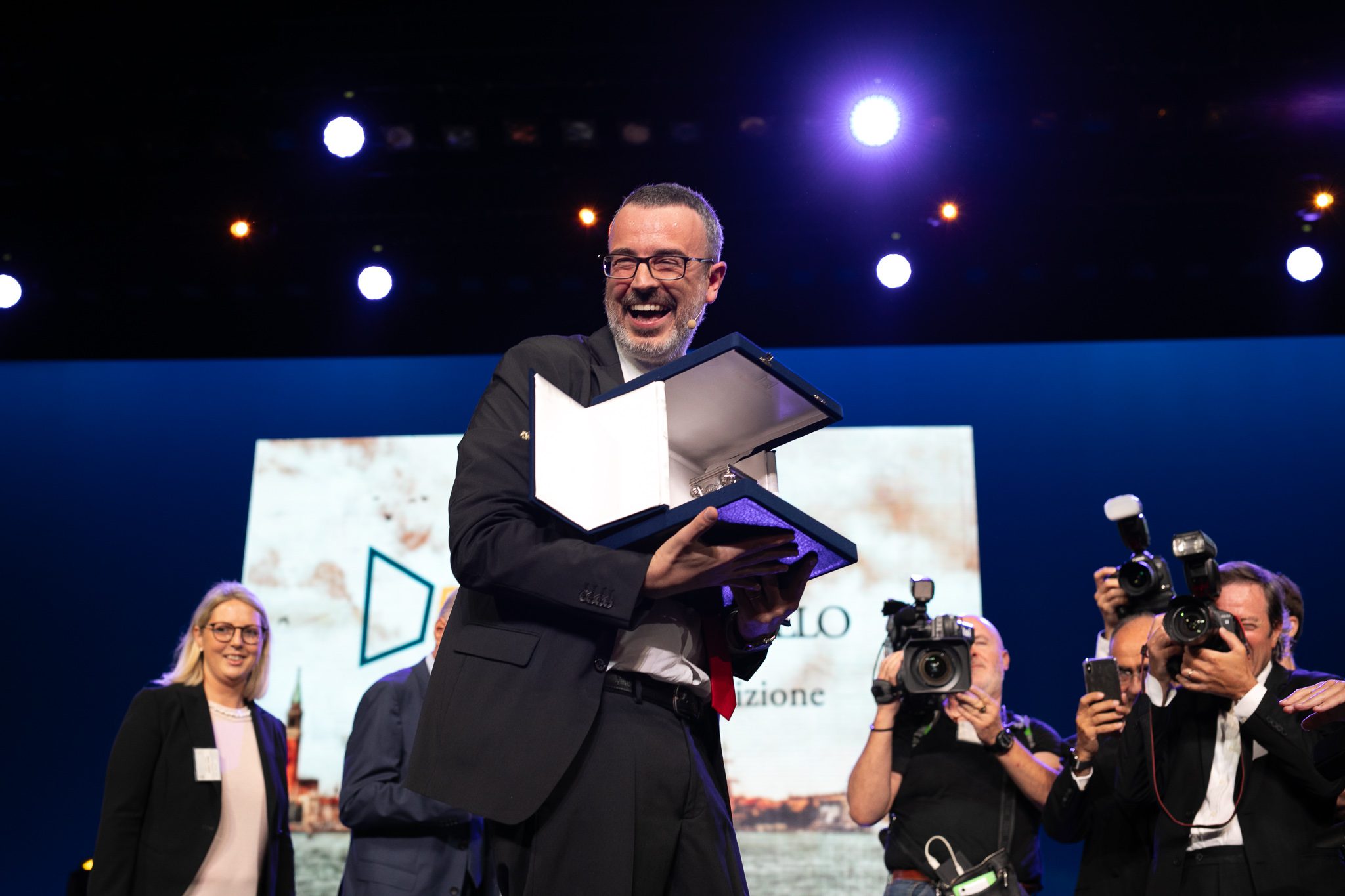
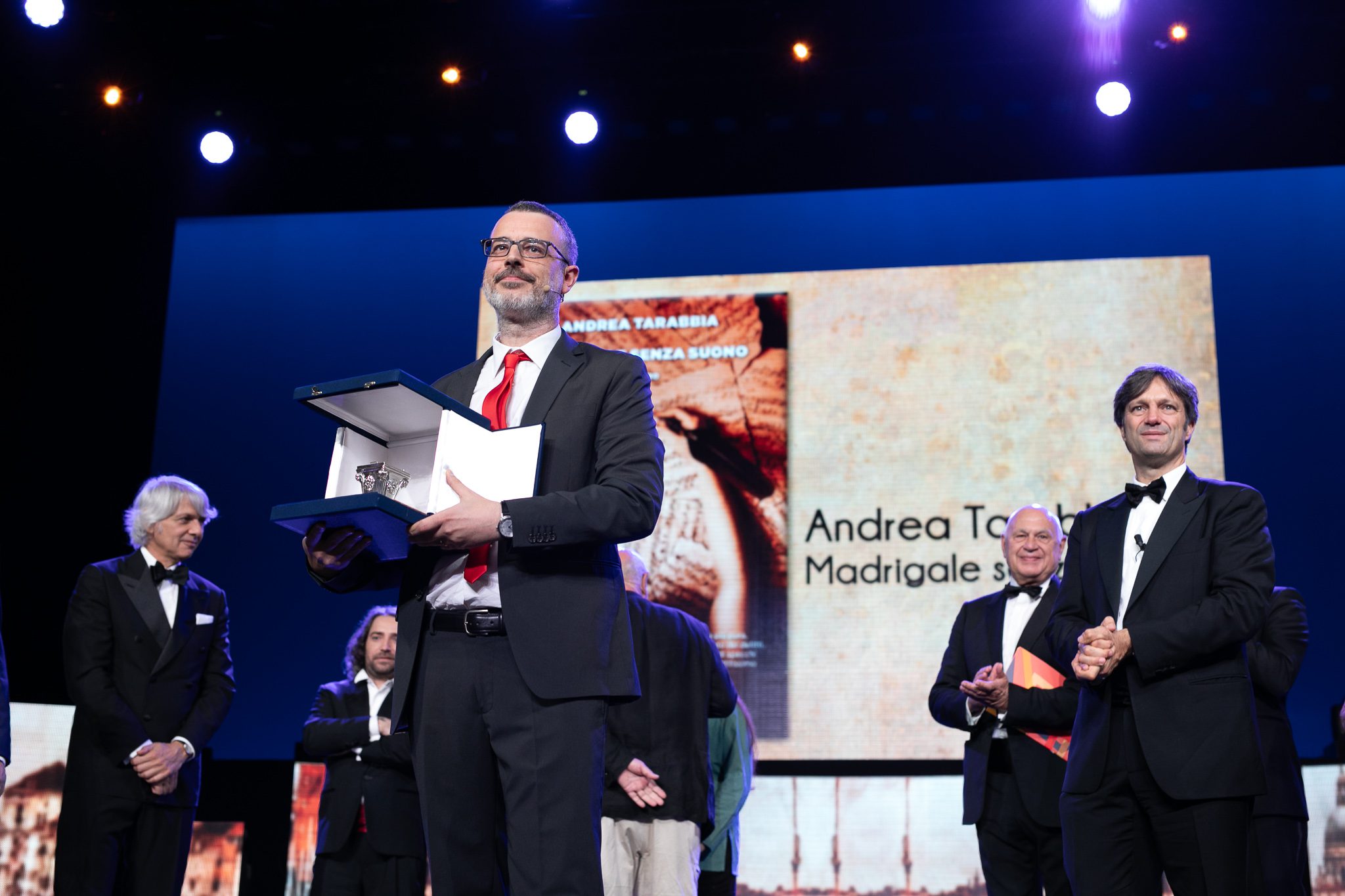
The 57th edition concluded on 14 September 2019 at Teatro La Fenice with the victory of Andrea Tarabbia, author of the novel Madrigale senza suono, published by Bollati Boringhieri. The winner was chosen by the votes of the jury of three hundred anonymous readers.
Working professionally at an event of this stature meant operating in a setting where every image had to meet documentary, institutional, editorial and communication requirements simultaneously.
Photography across Venice’s most prestigious locations
The event programme featured an extremely tight succession of events, performances, conferences, institutional meetings and social occasions.
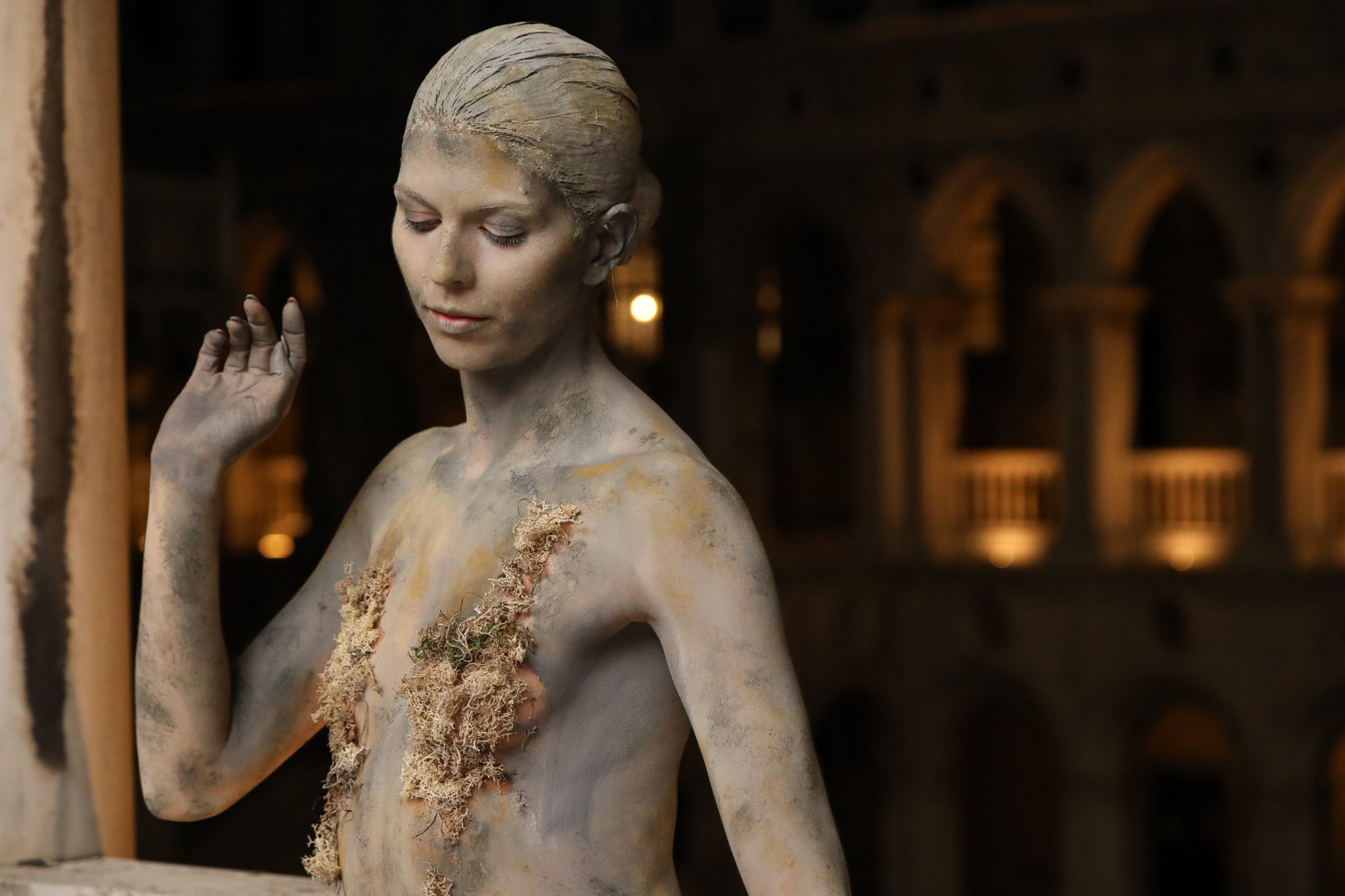
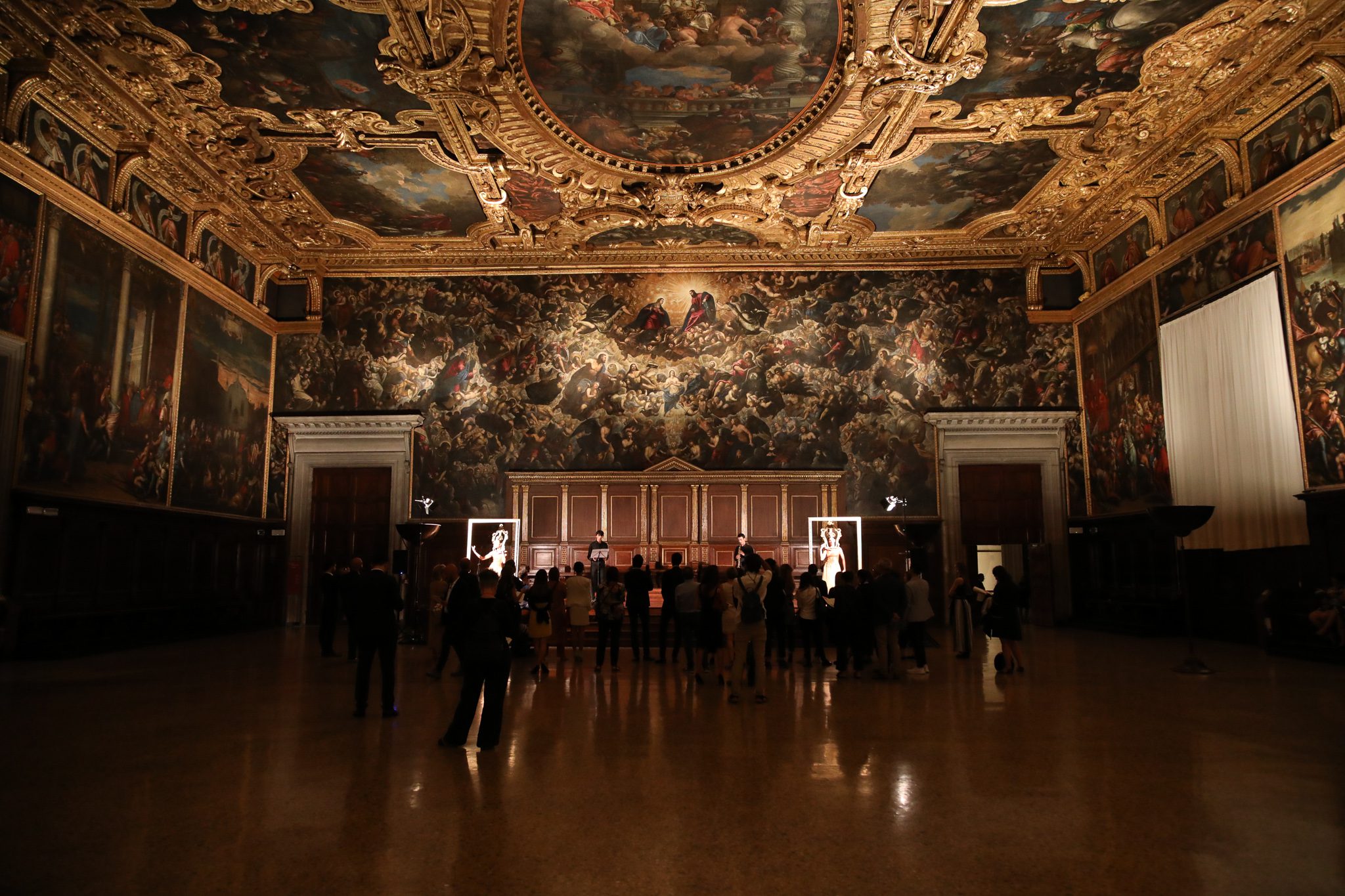
The first day took place mainly inside Palazzo Ducale, where several roaming performances had been organised at locations operating simultaneously.
The photography team’s task was to document:
- the settings before and during the guests’ arrival;
- accreditation and the audience’s arrival;
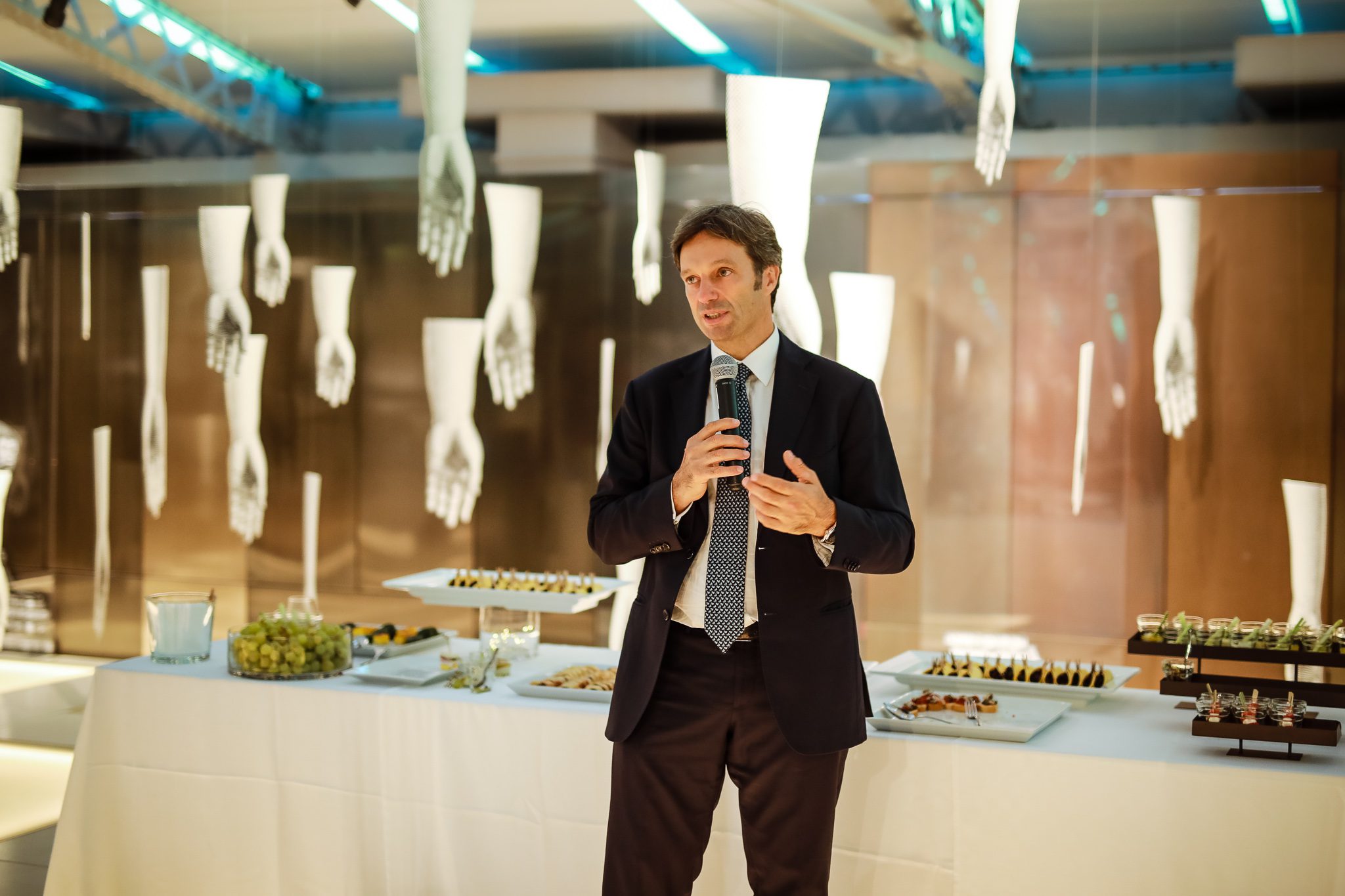
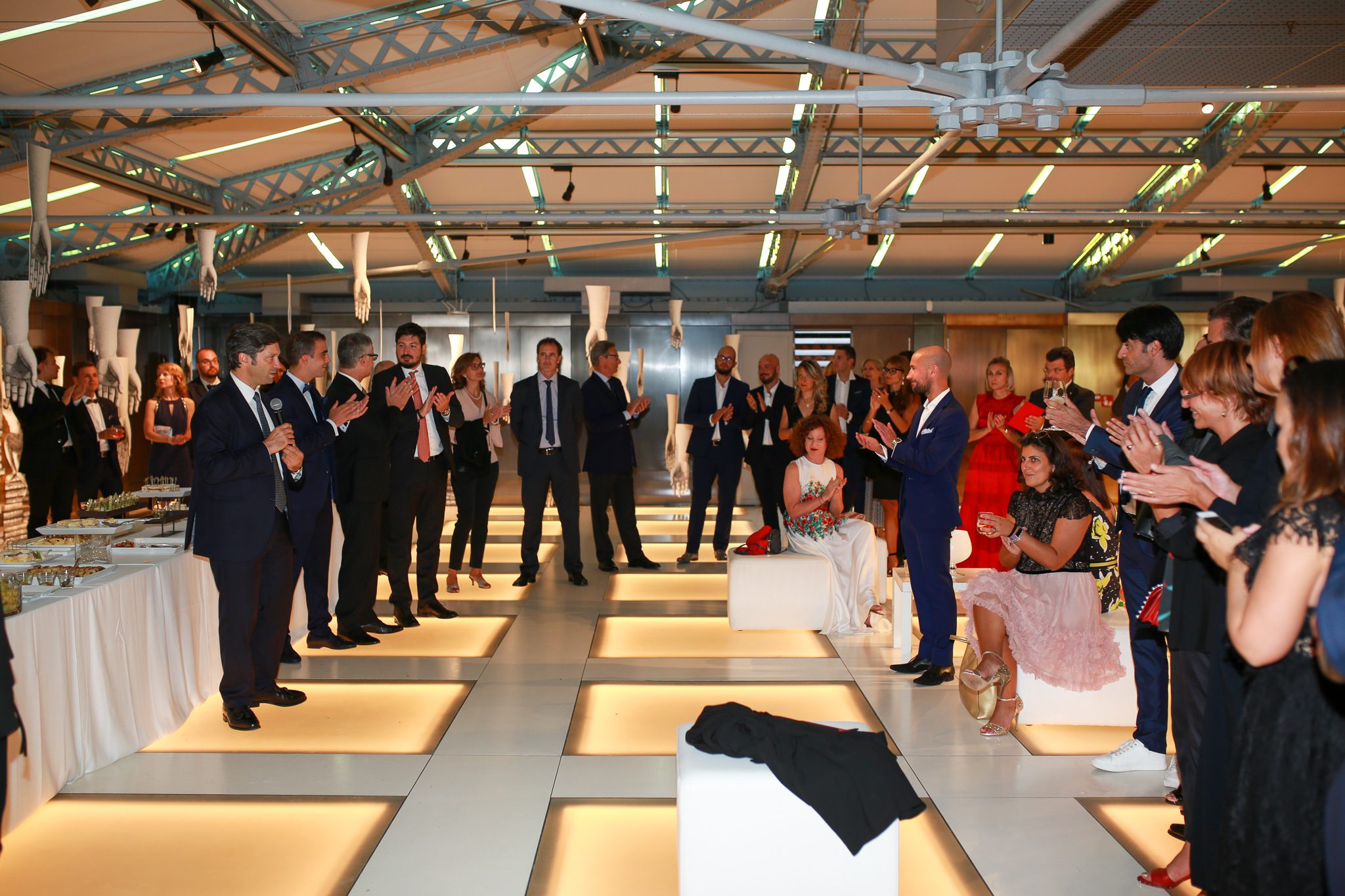
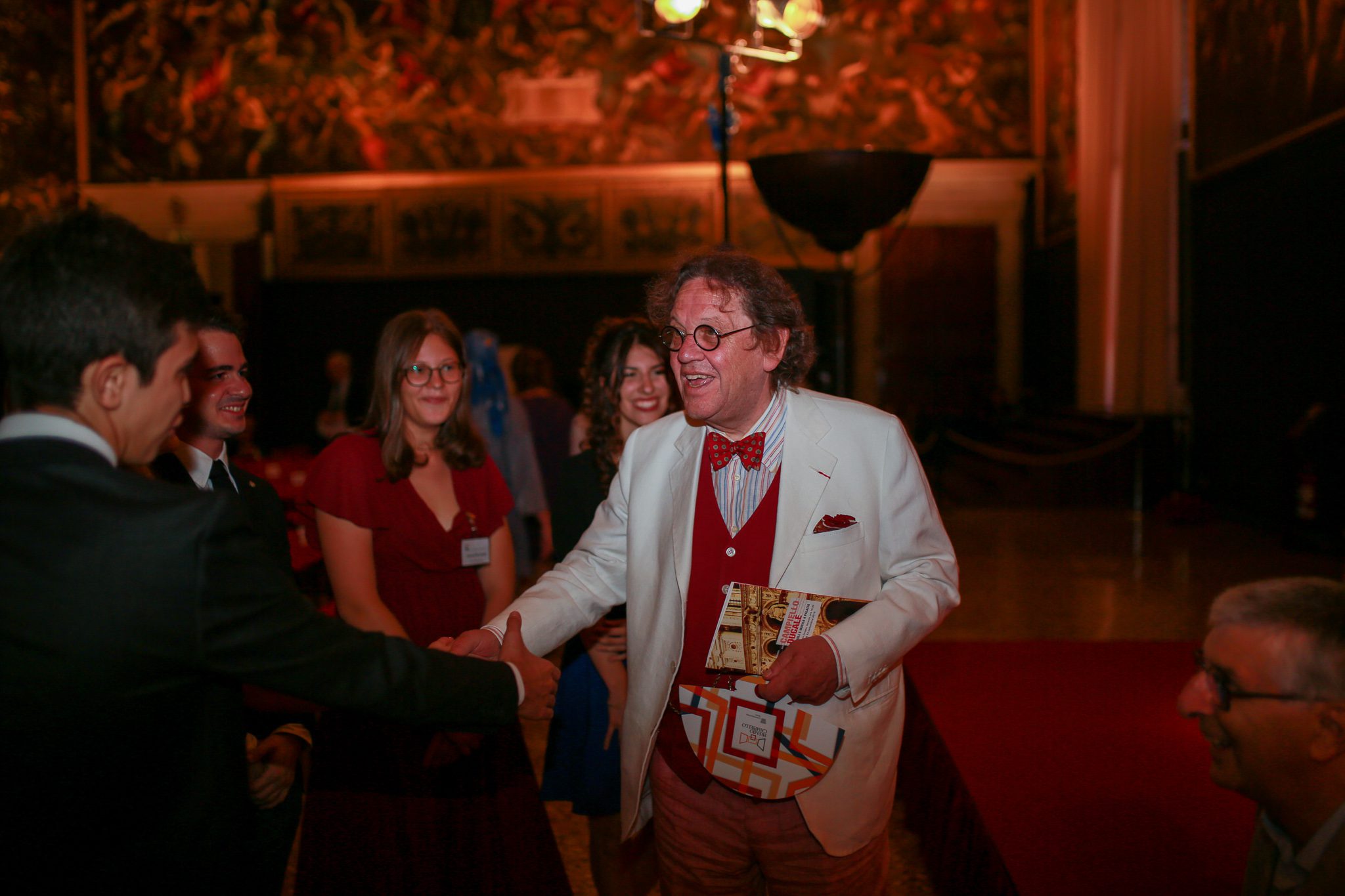
- official greetings;
- musical performances;
- performances by the young participants;
- entertainment;
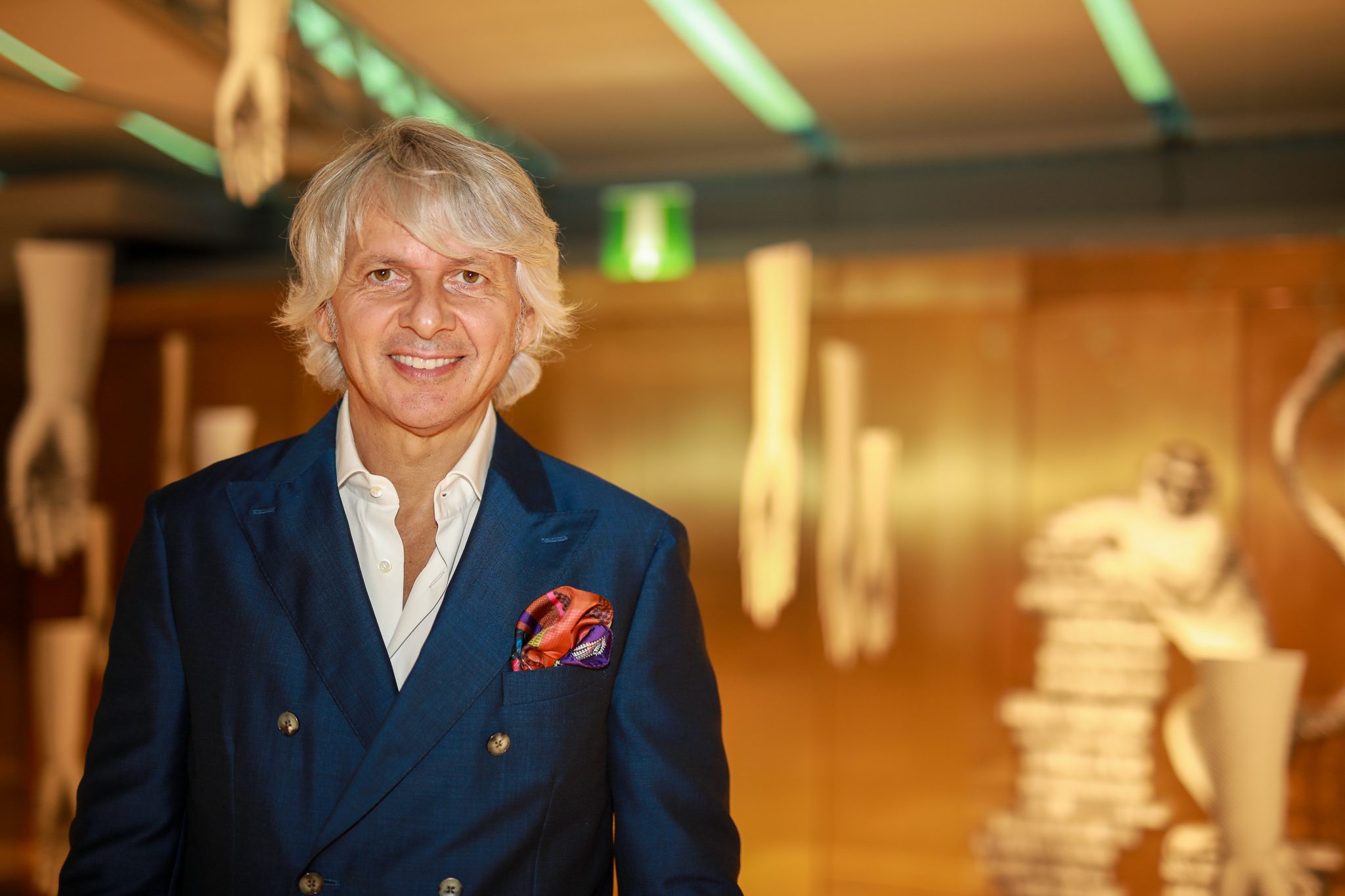
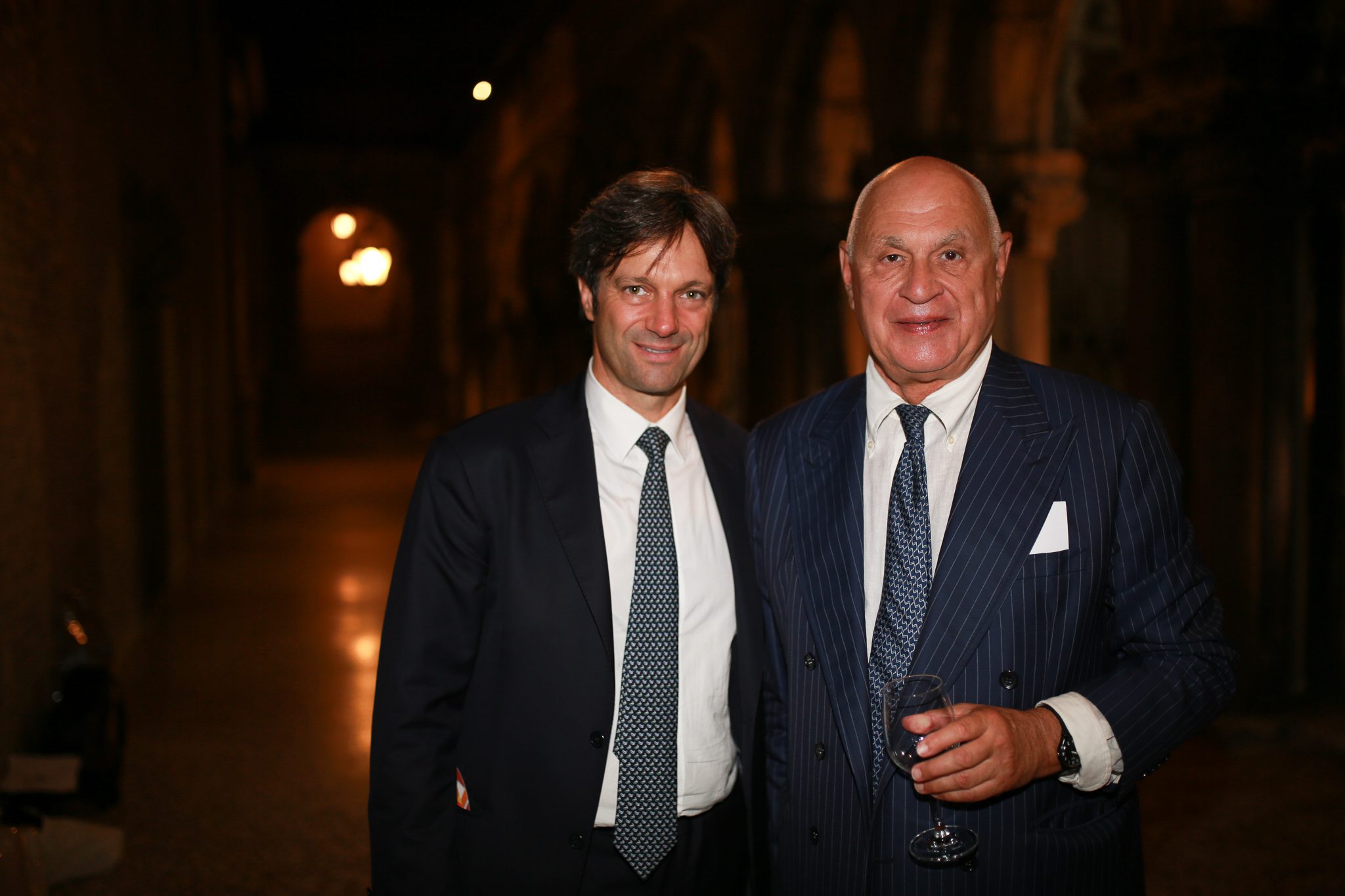
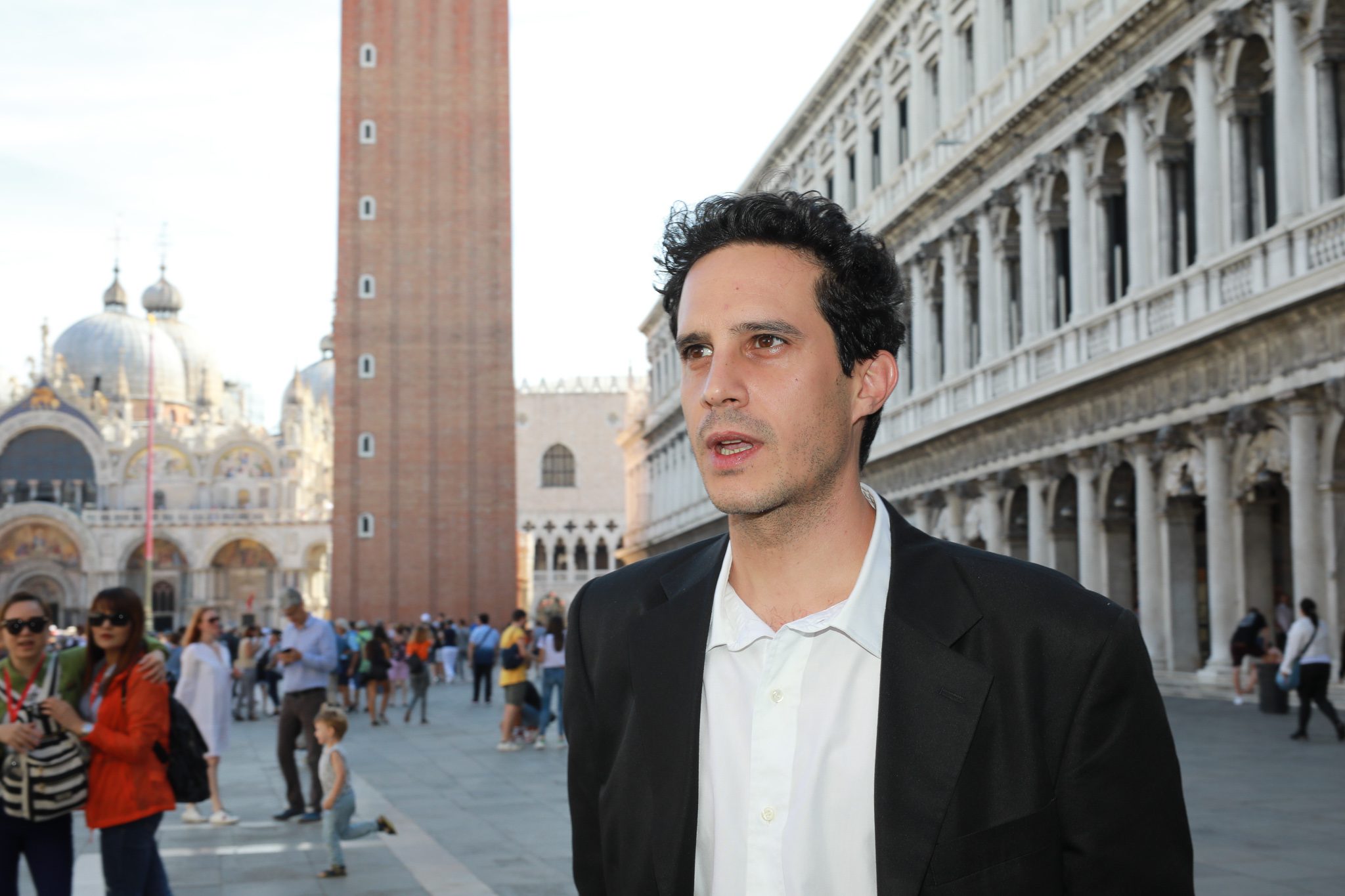
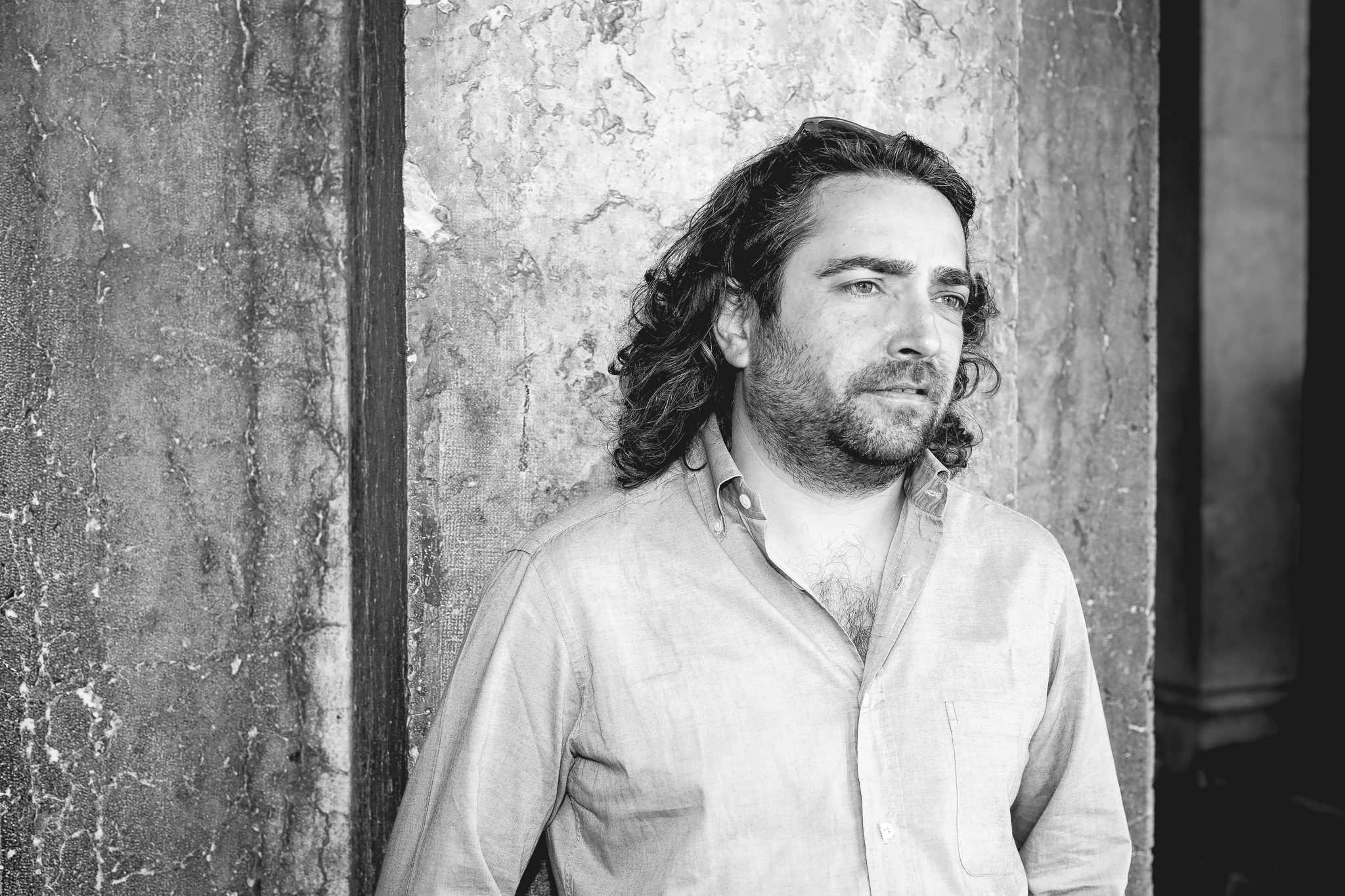
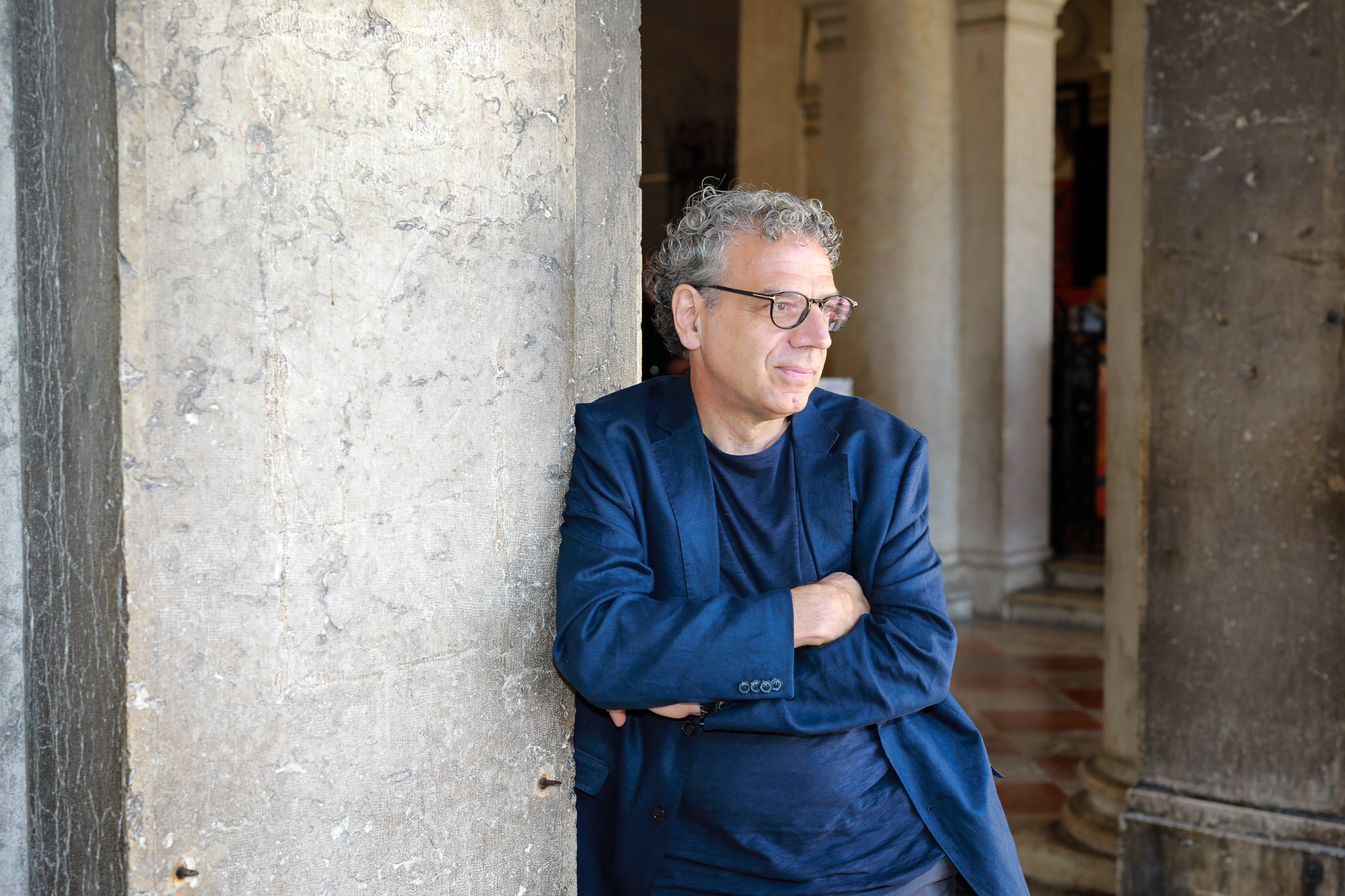
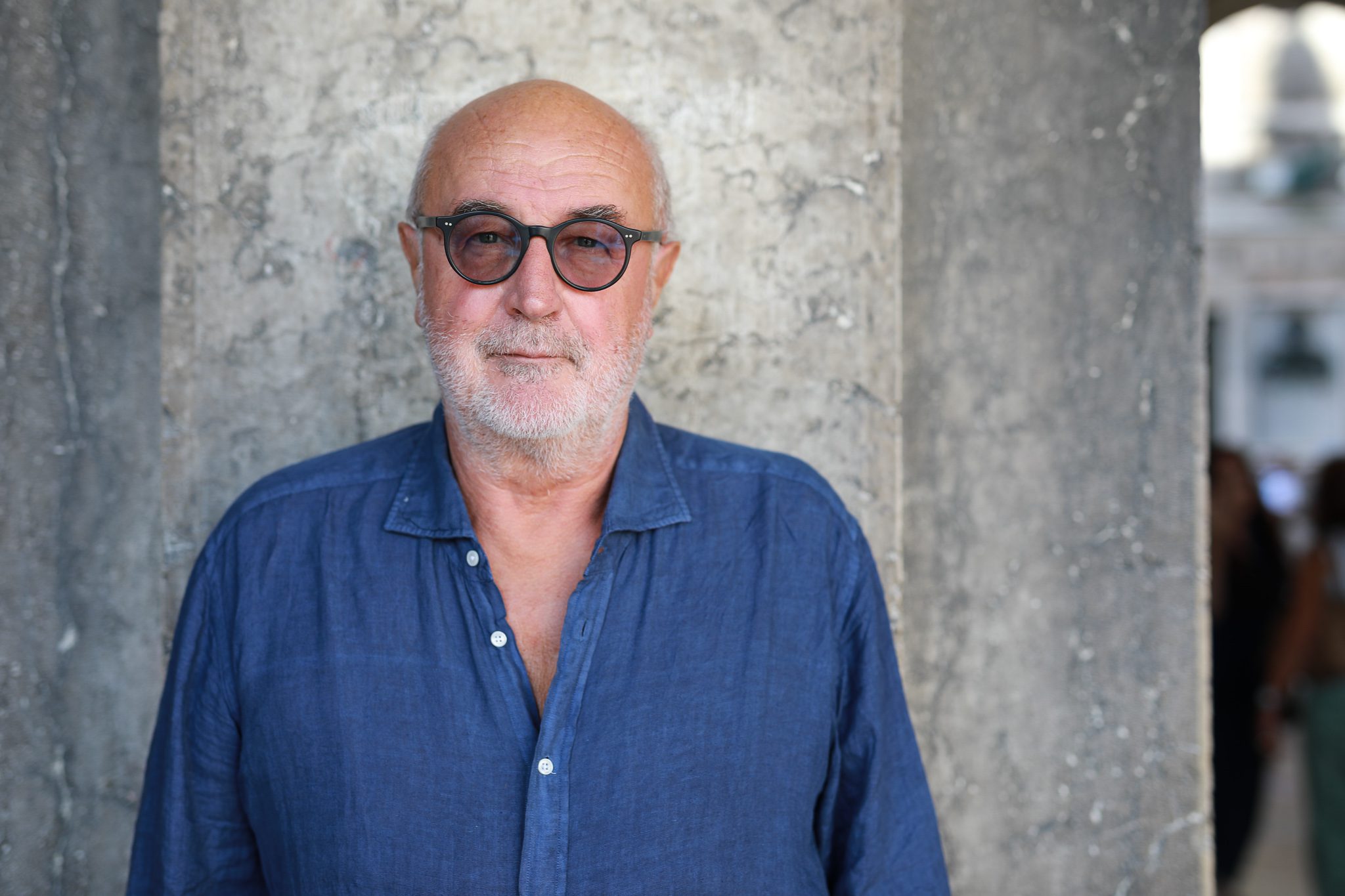
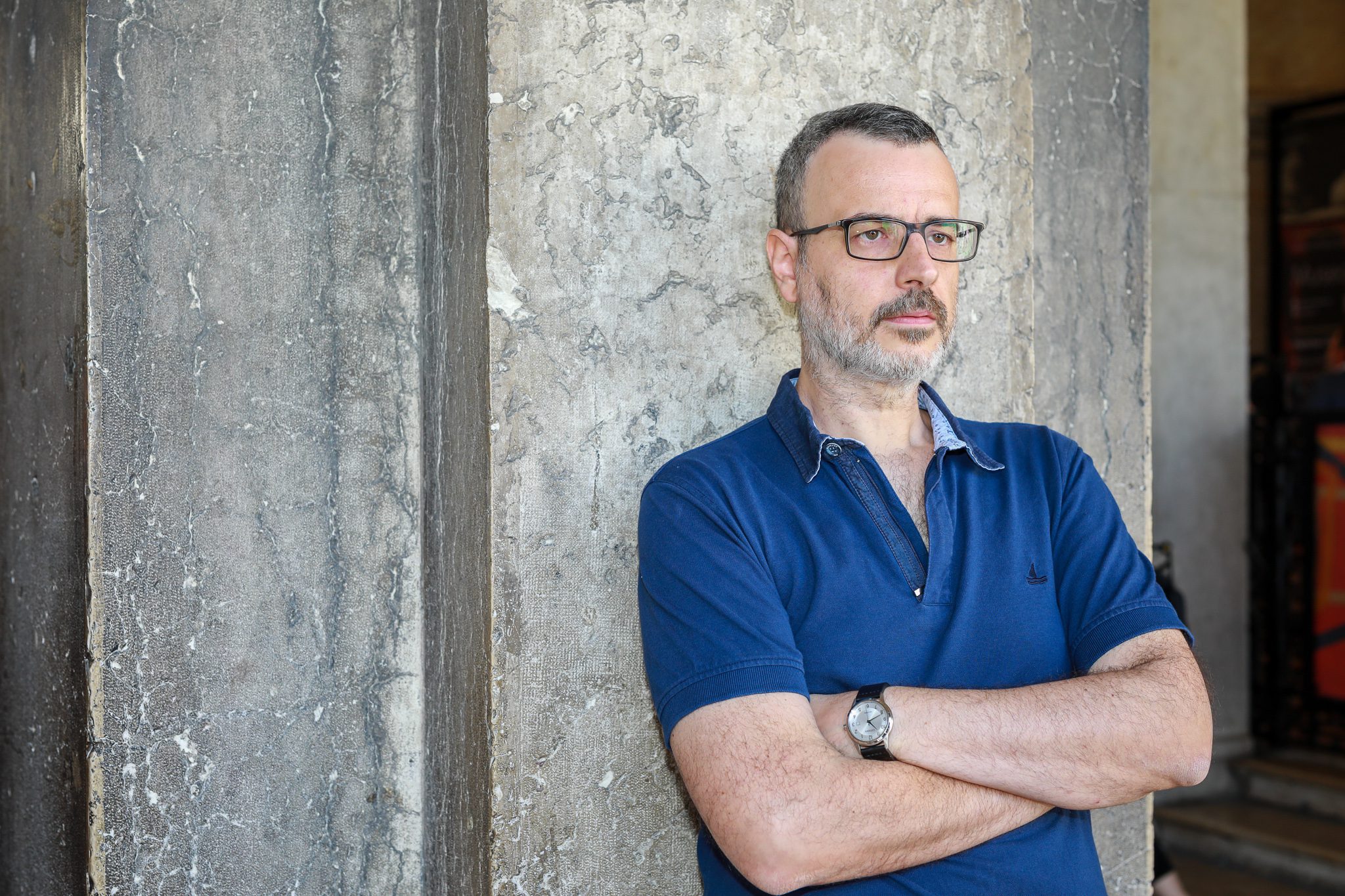
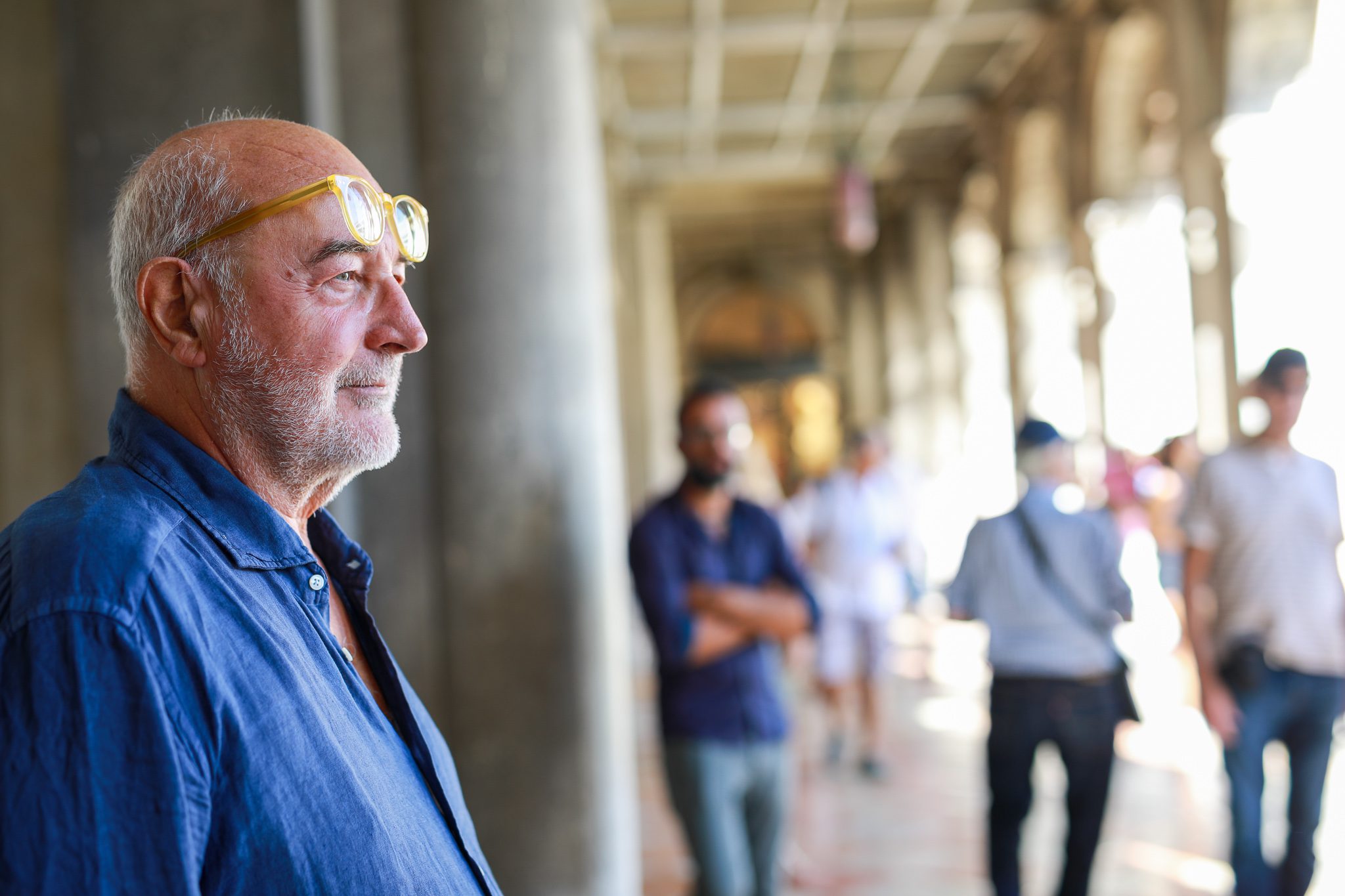
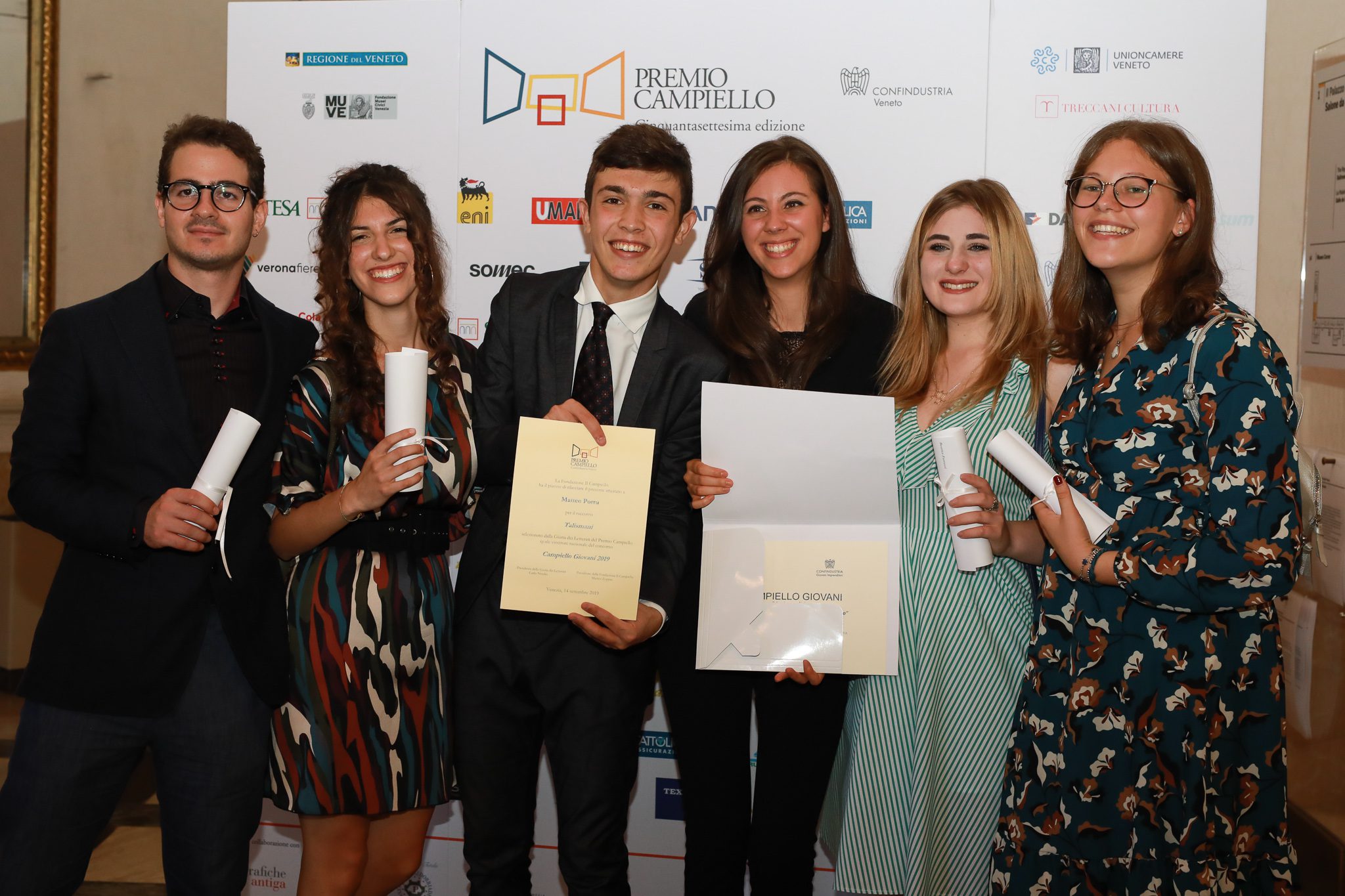
- portraits of the finalists and official representatives;
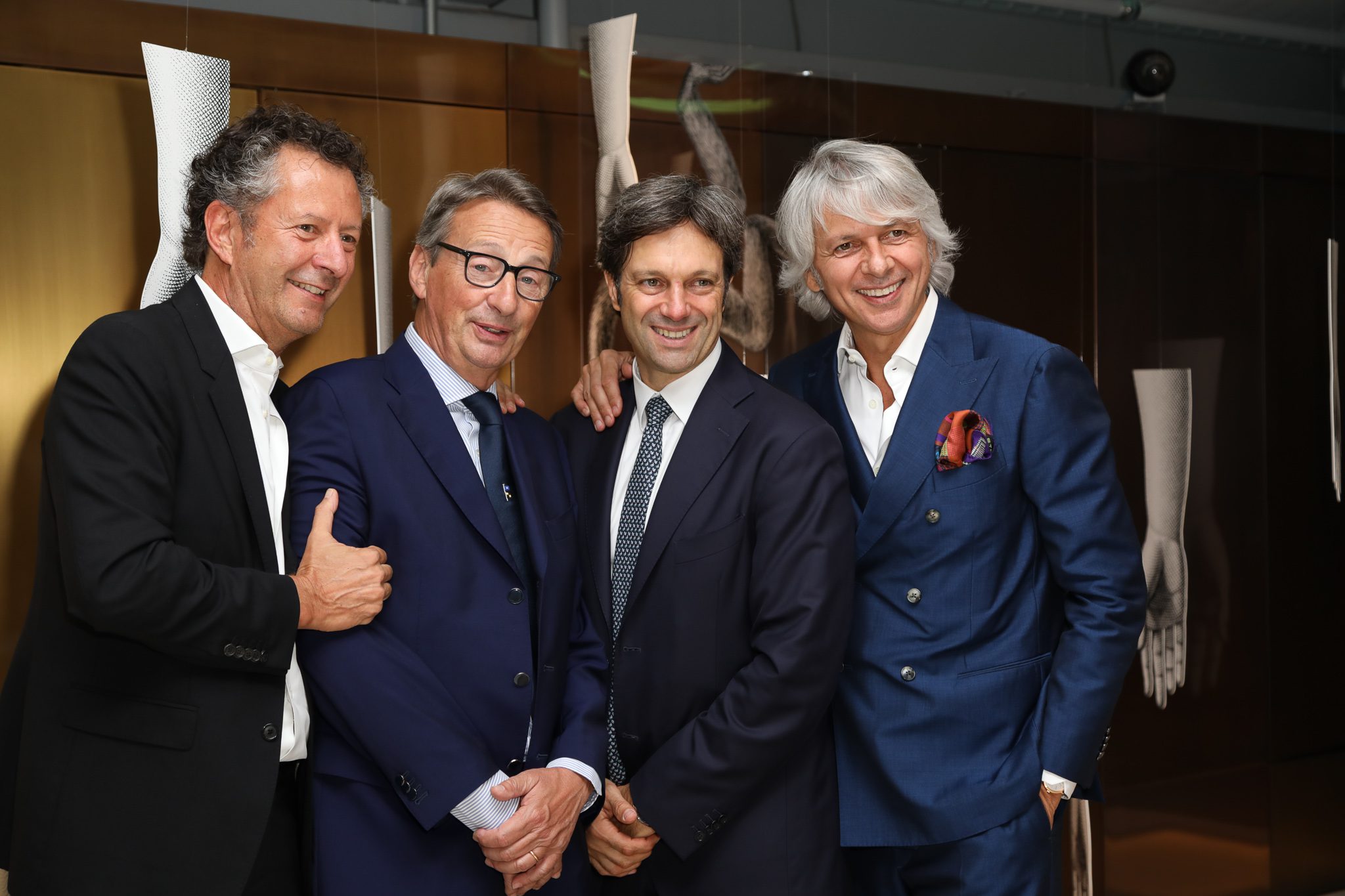
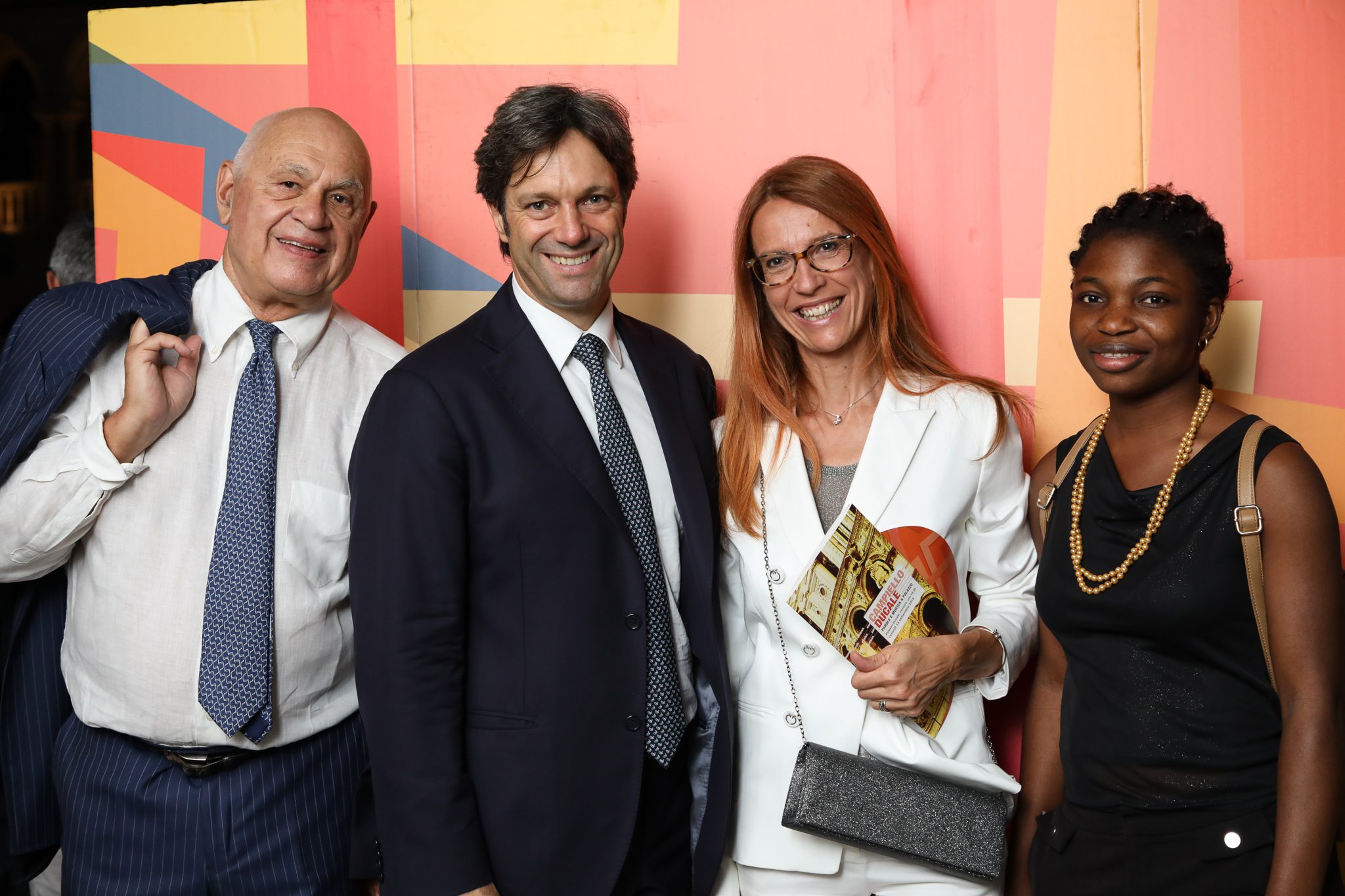
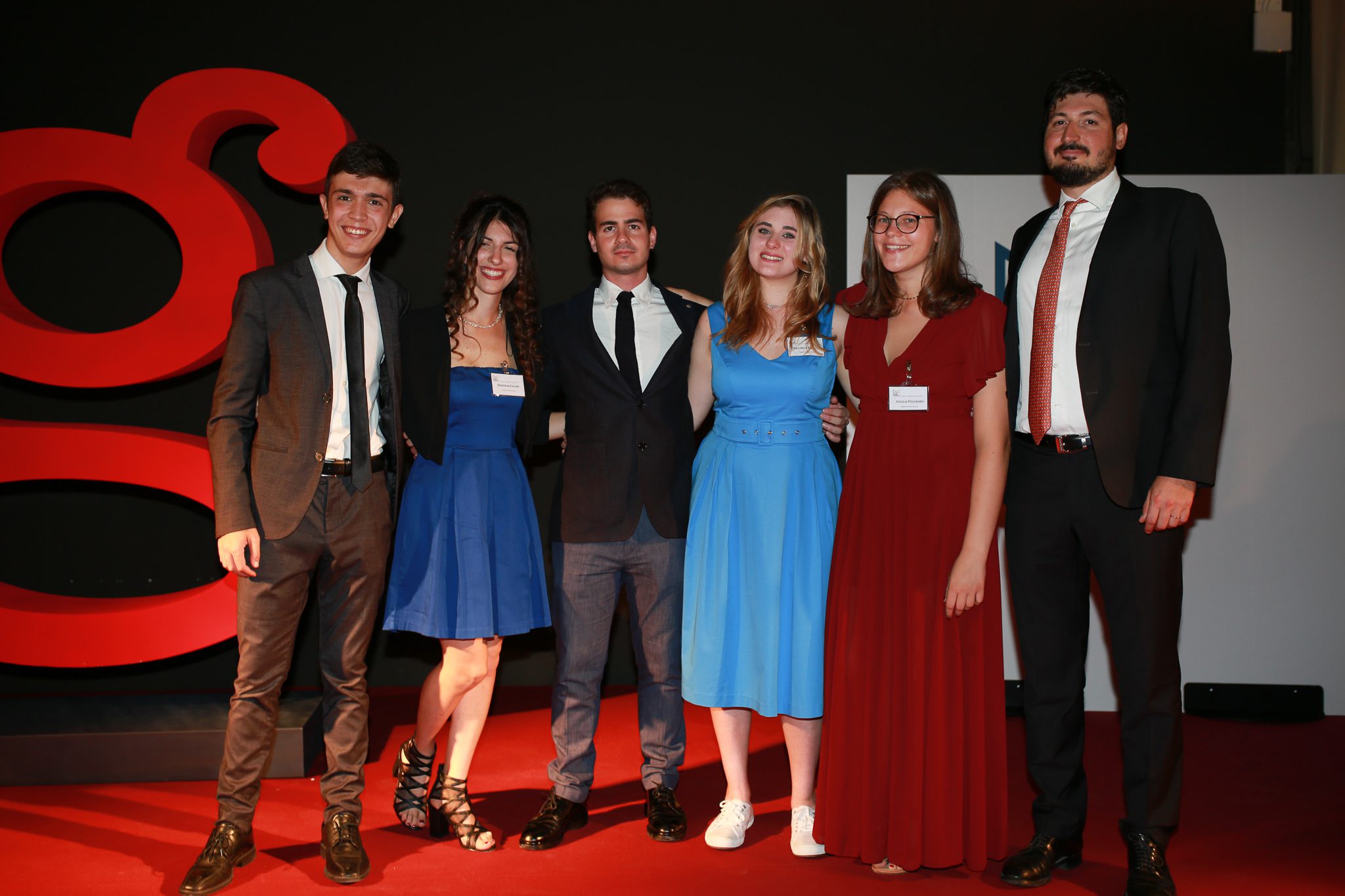
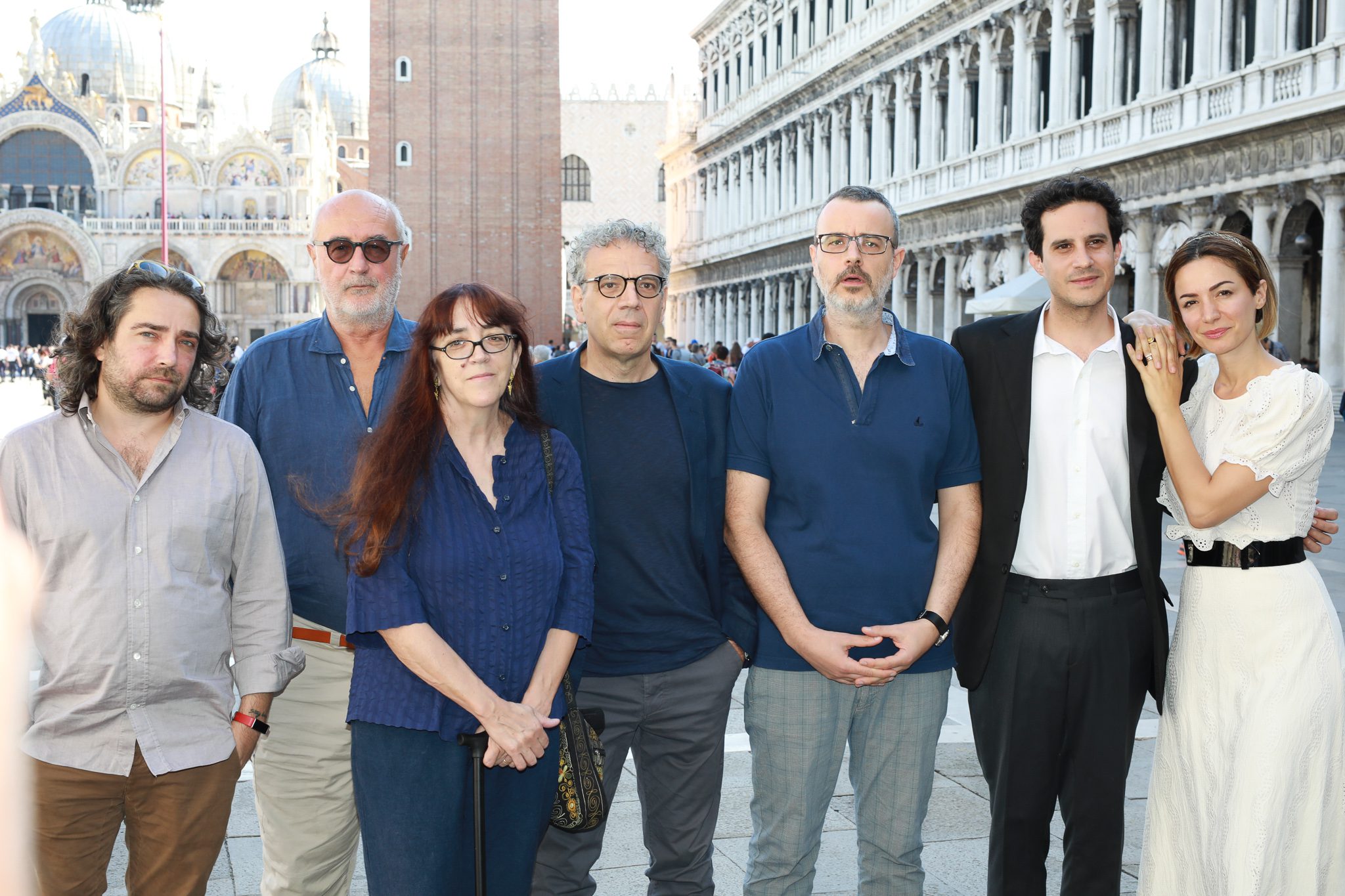
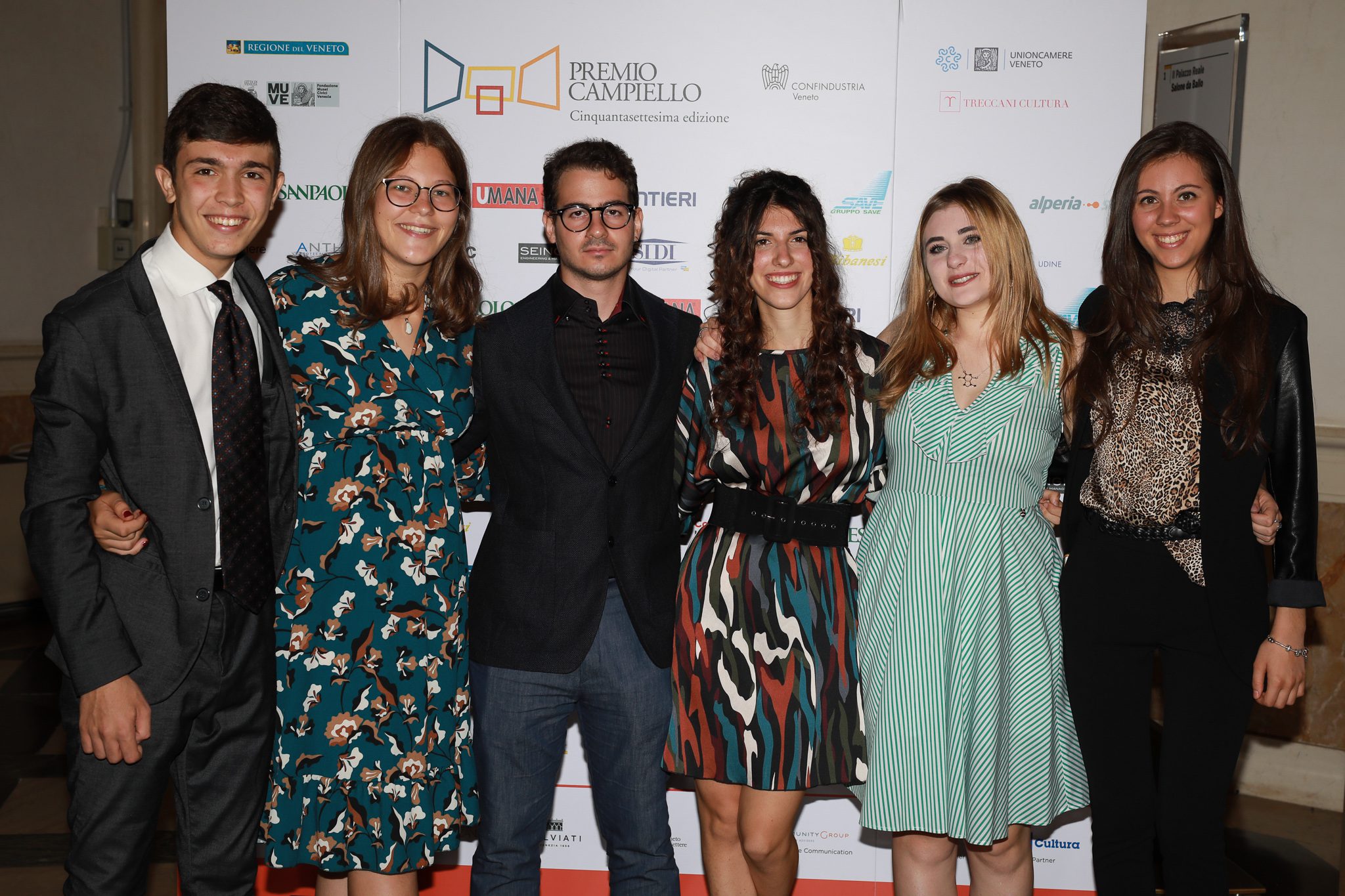
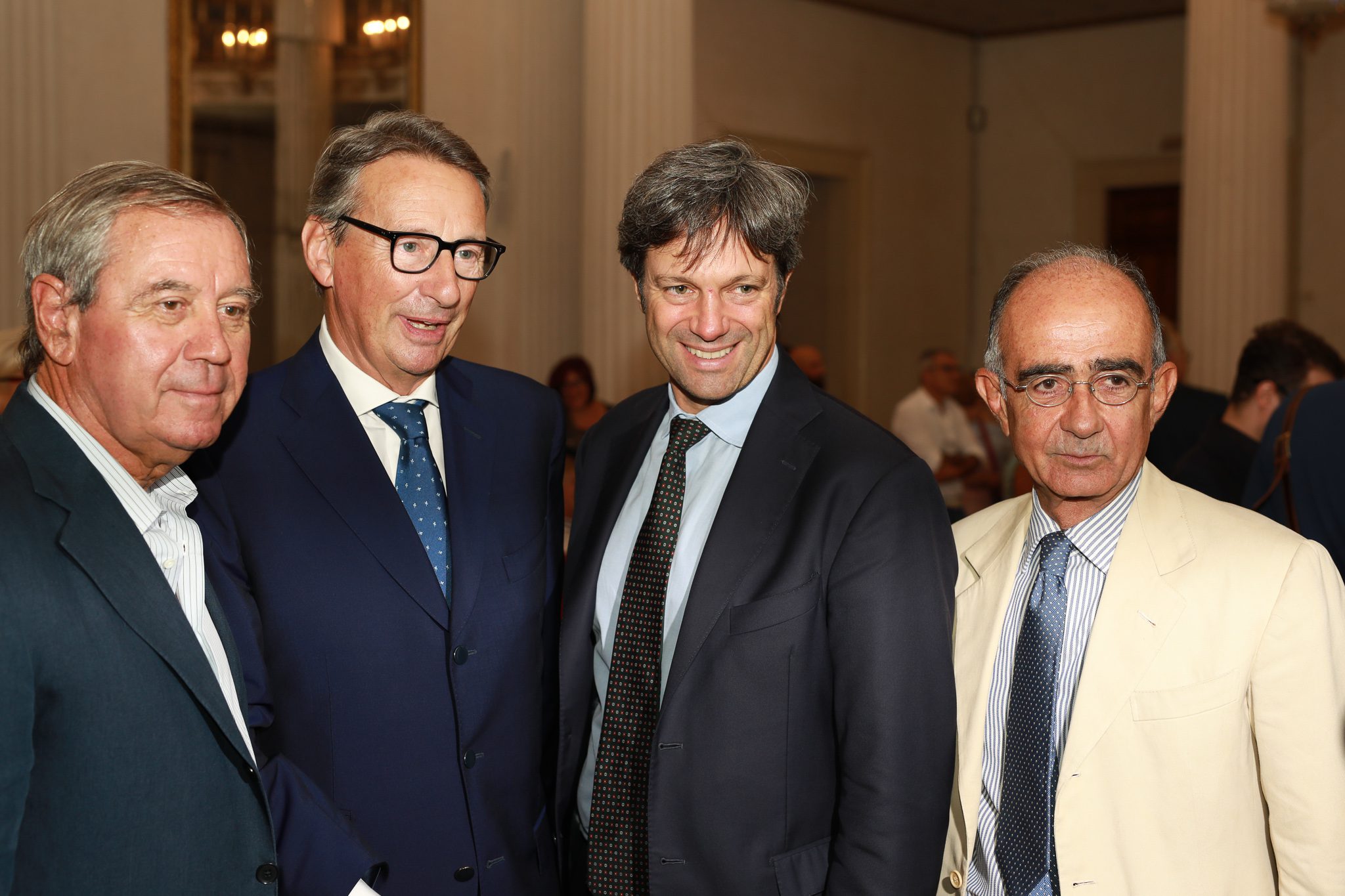
- group photographs;
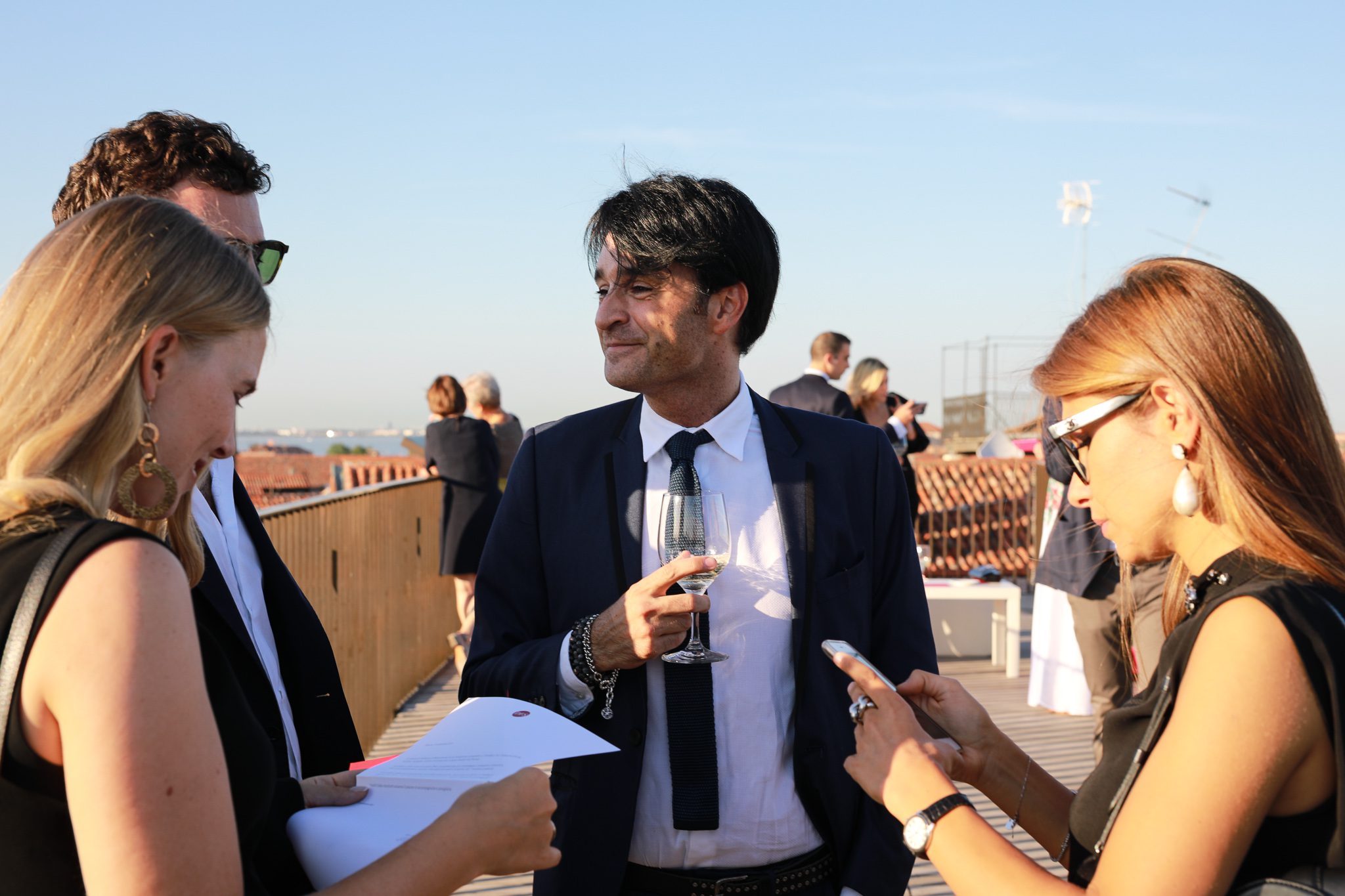
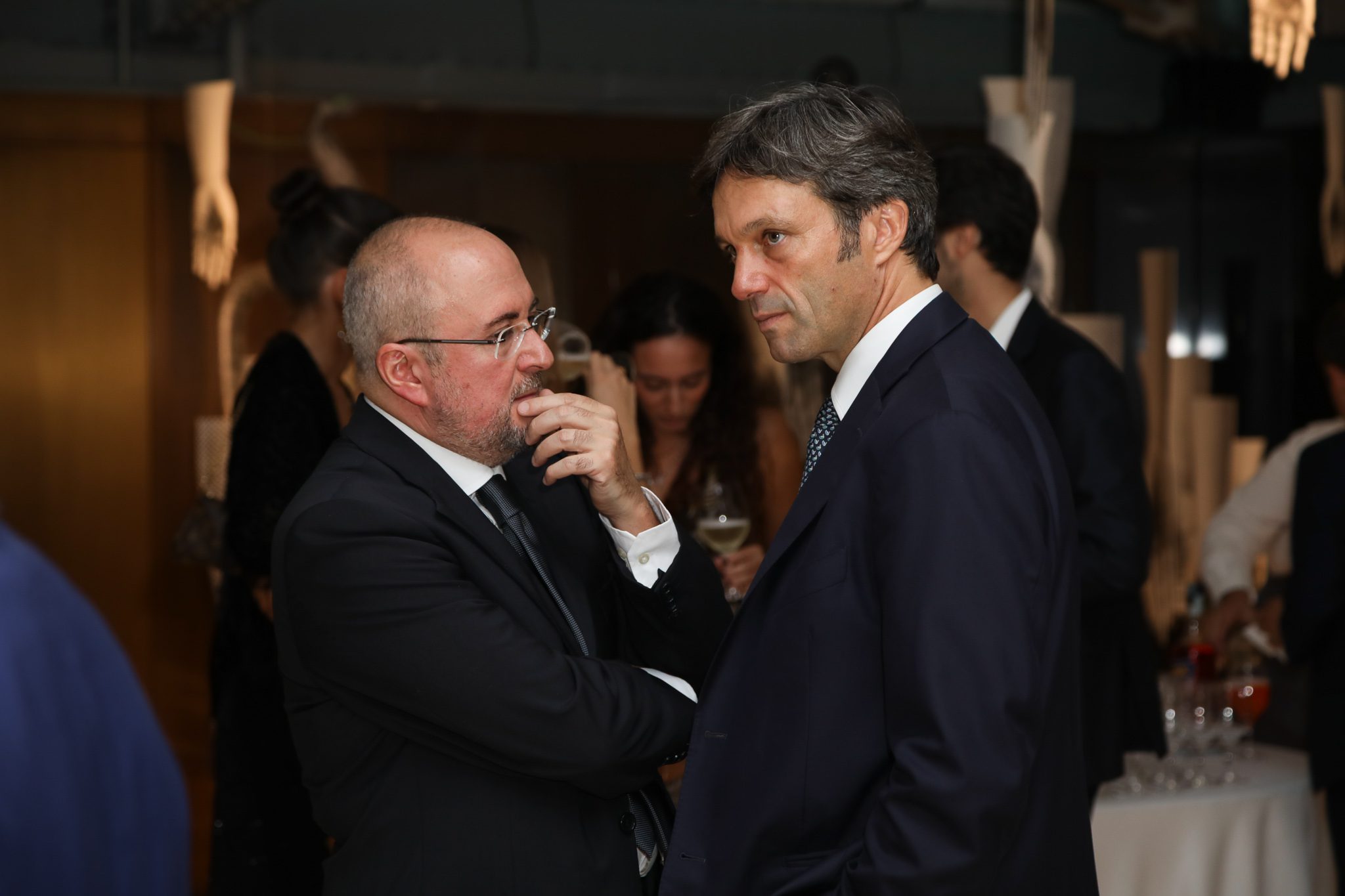
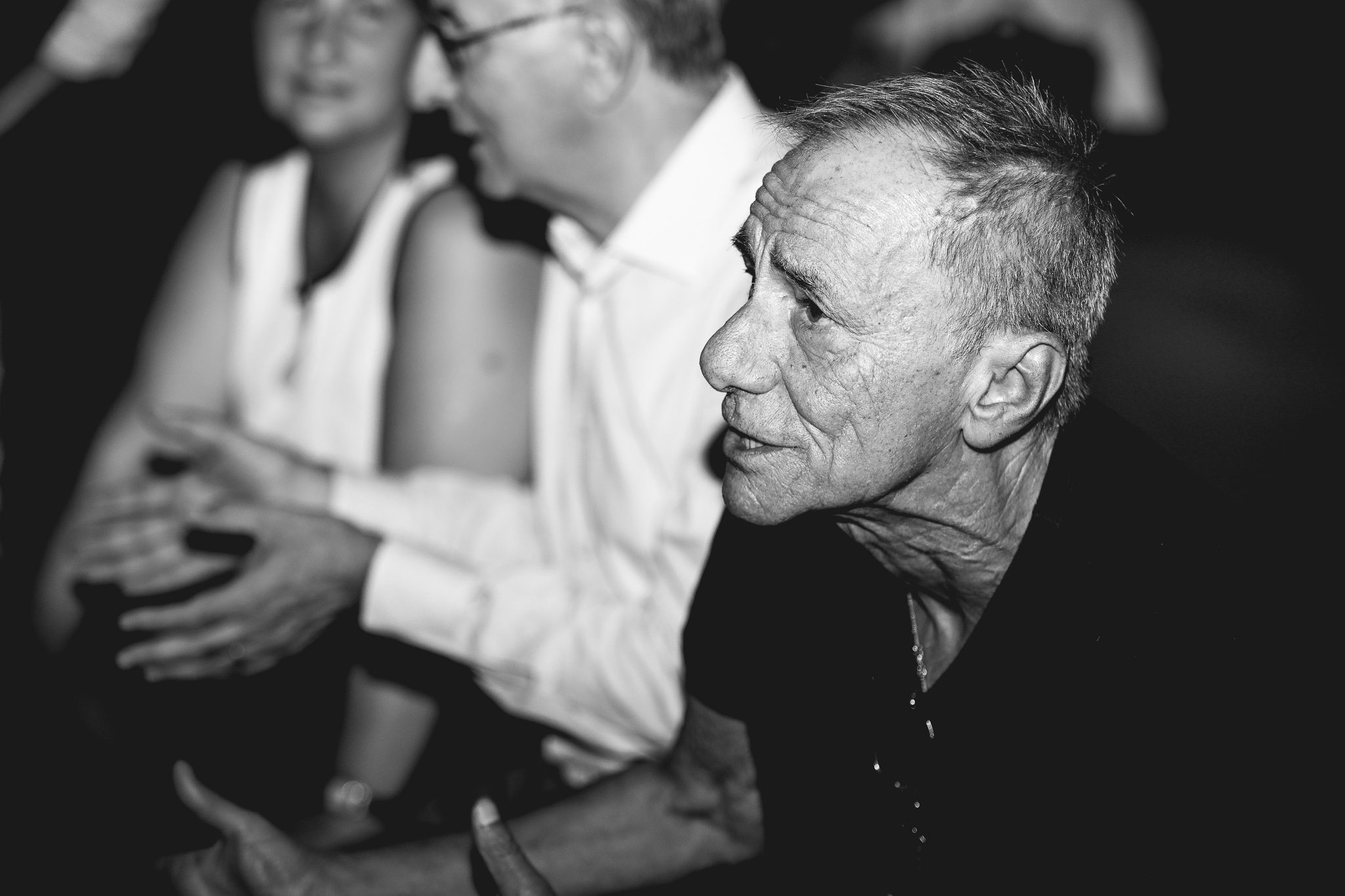
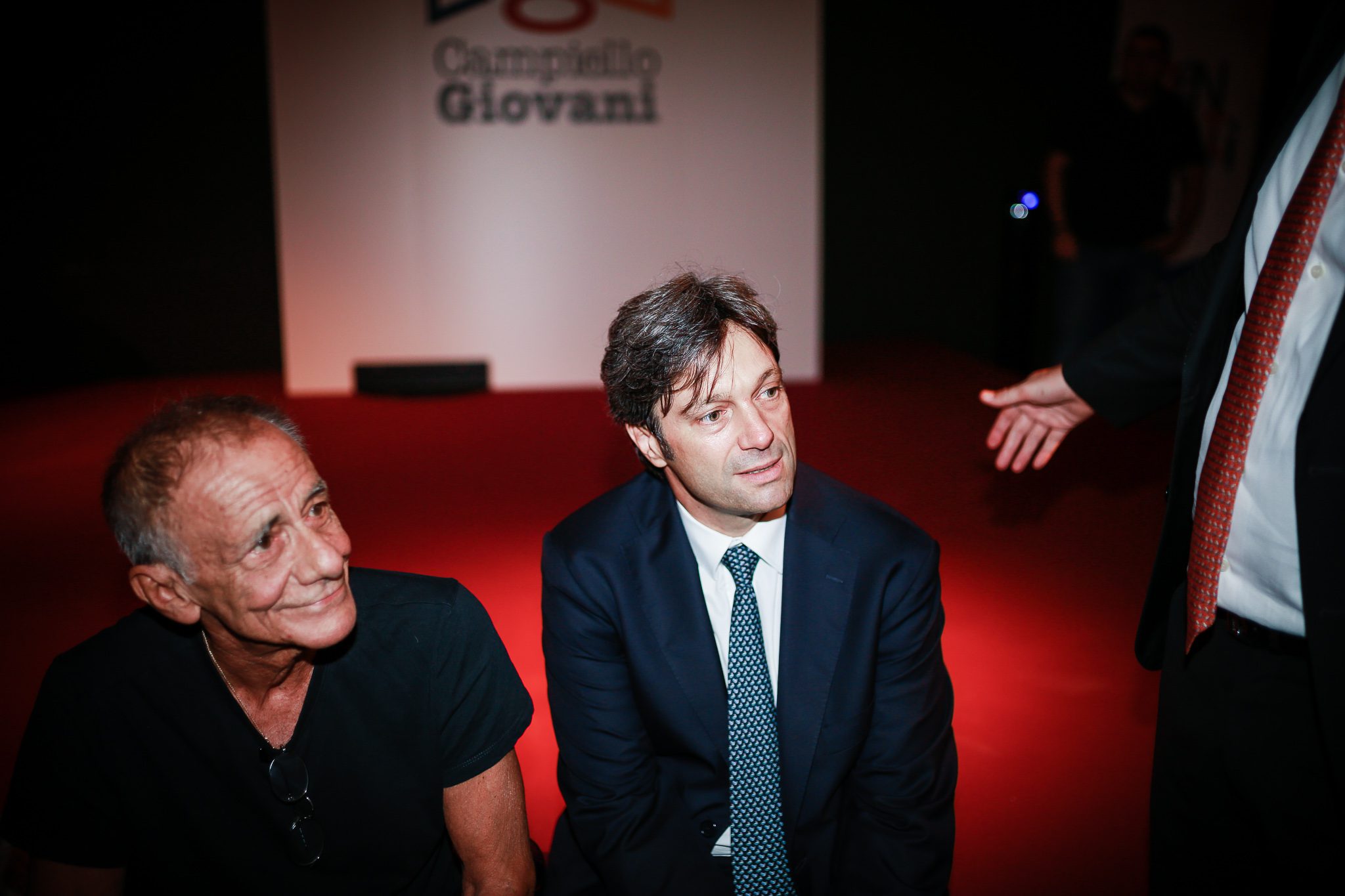
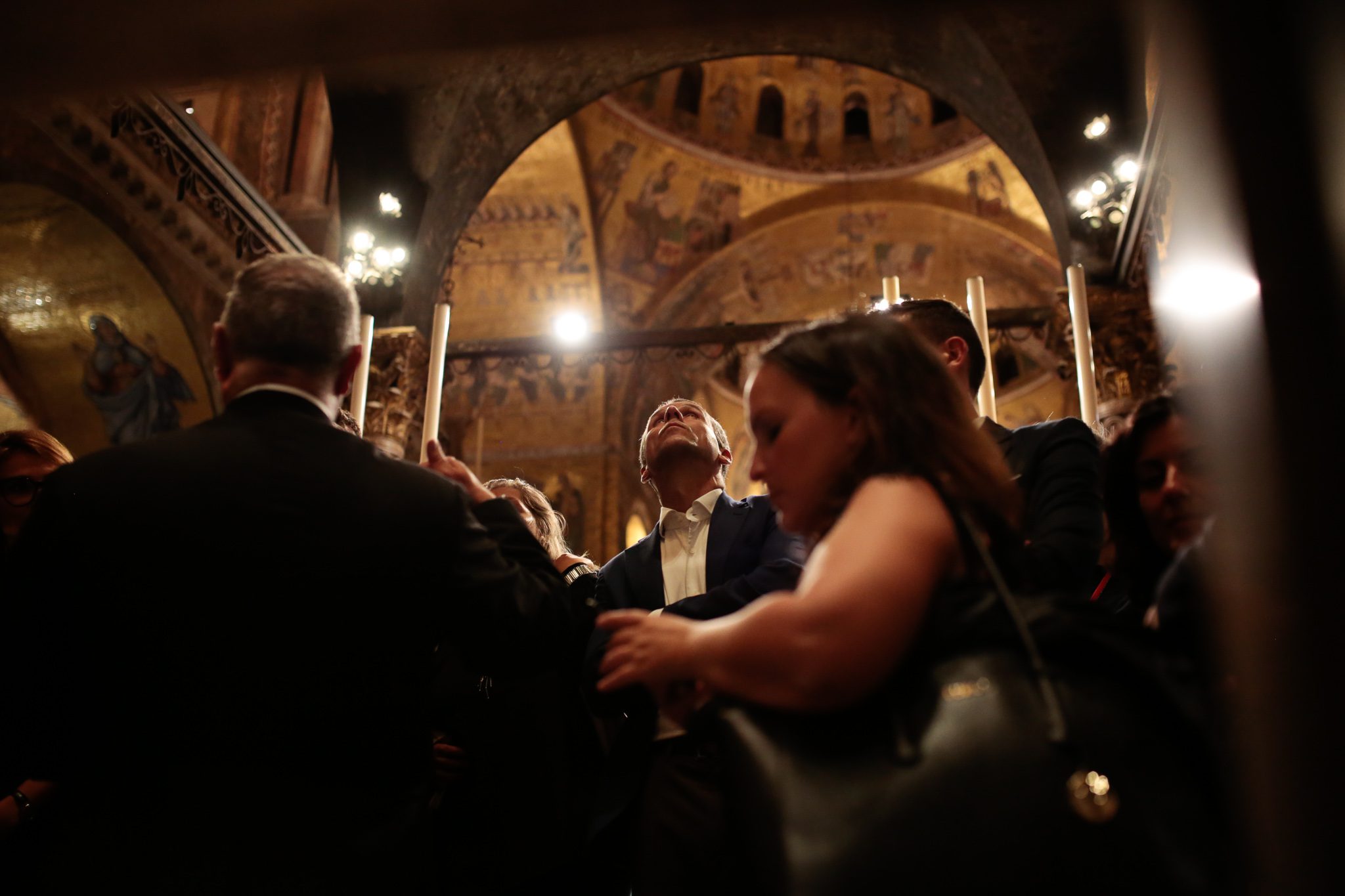
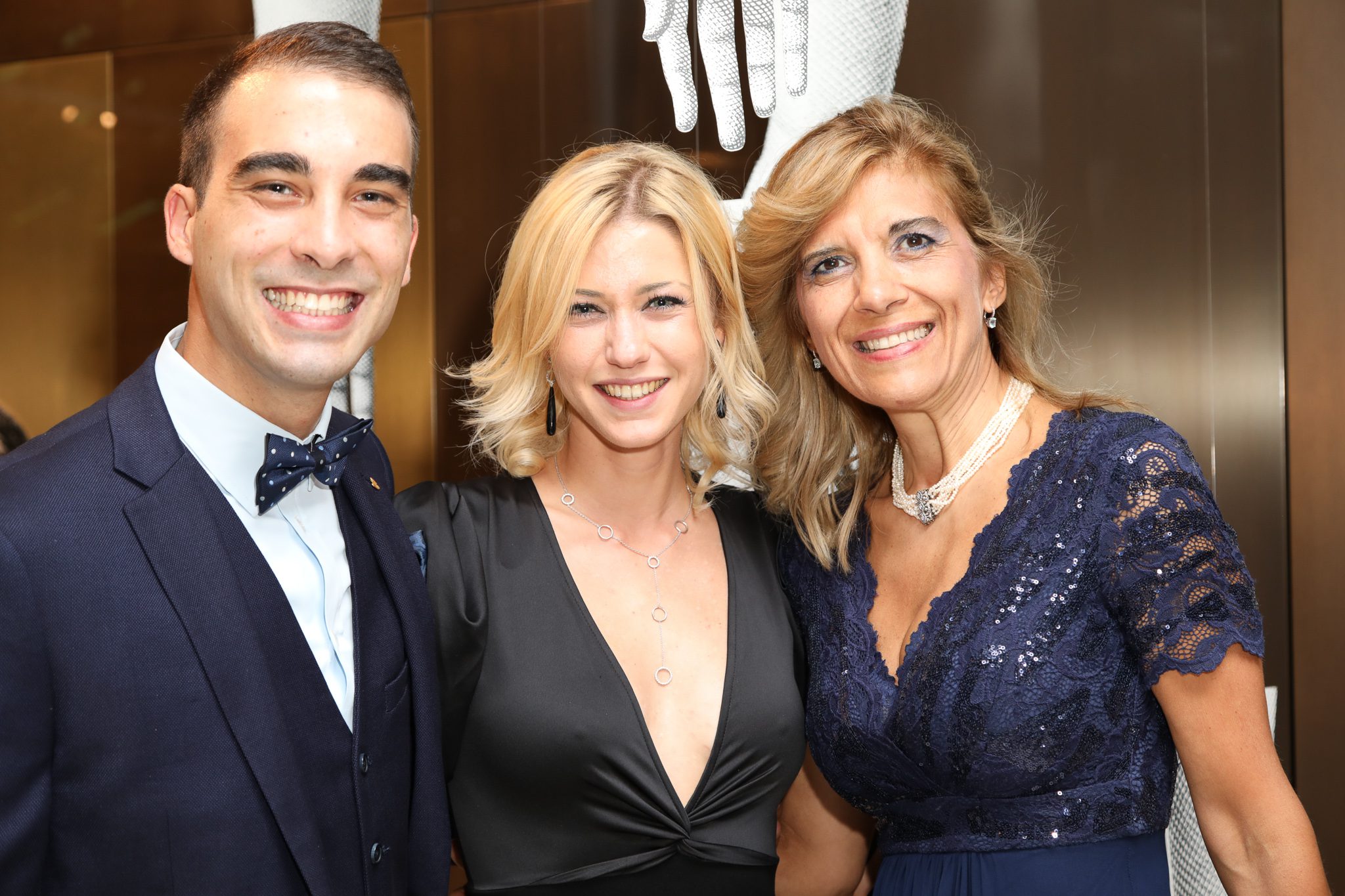
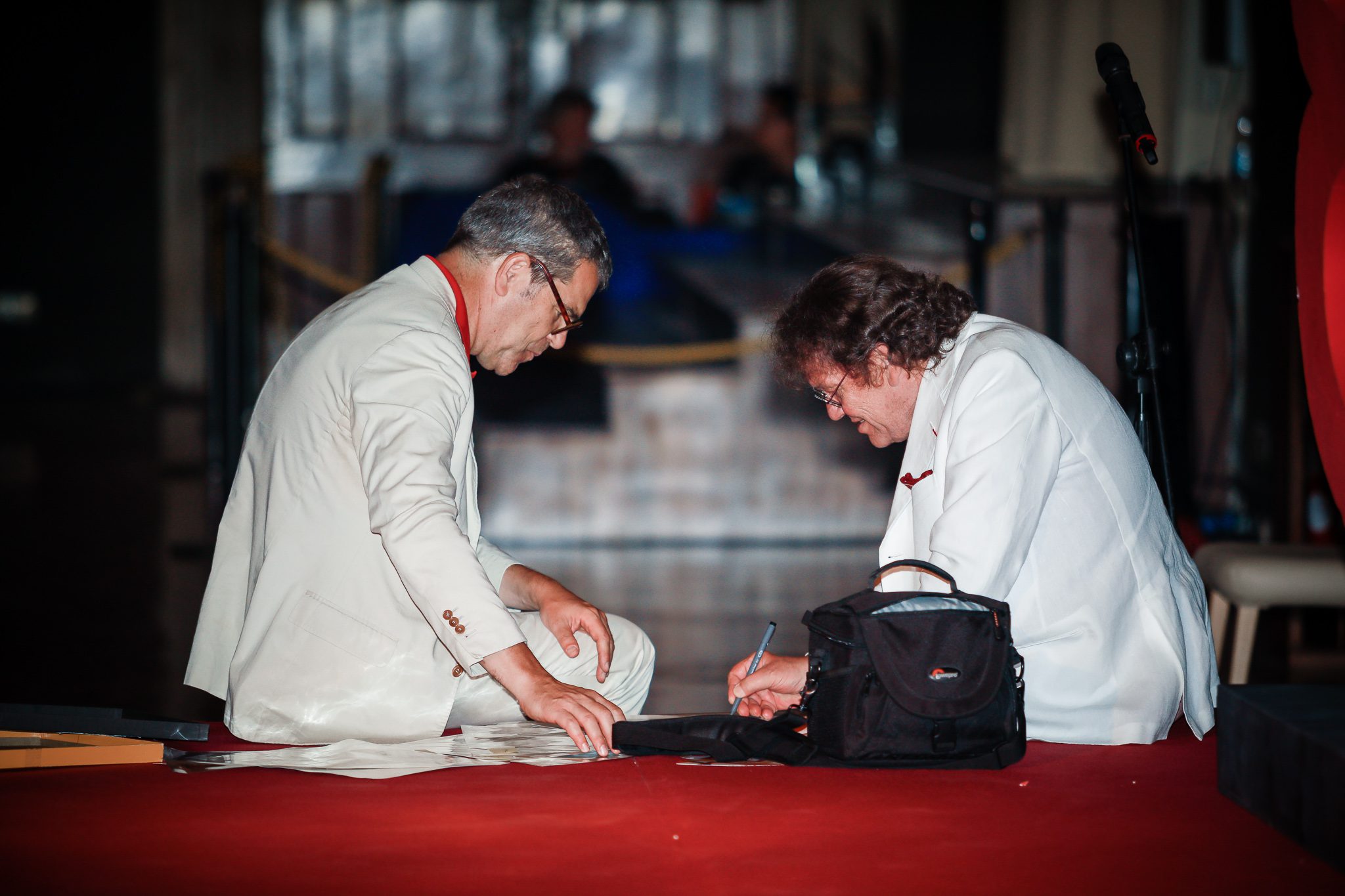
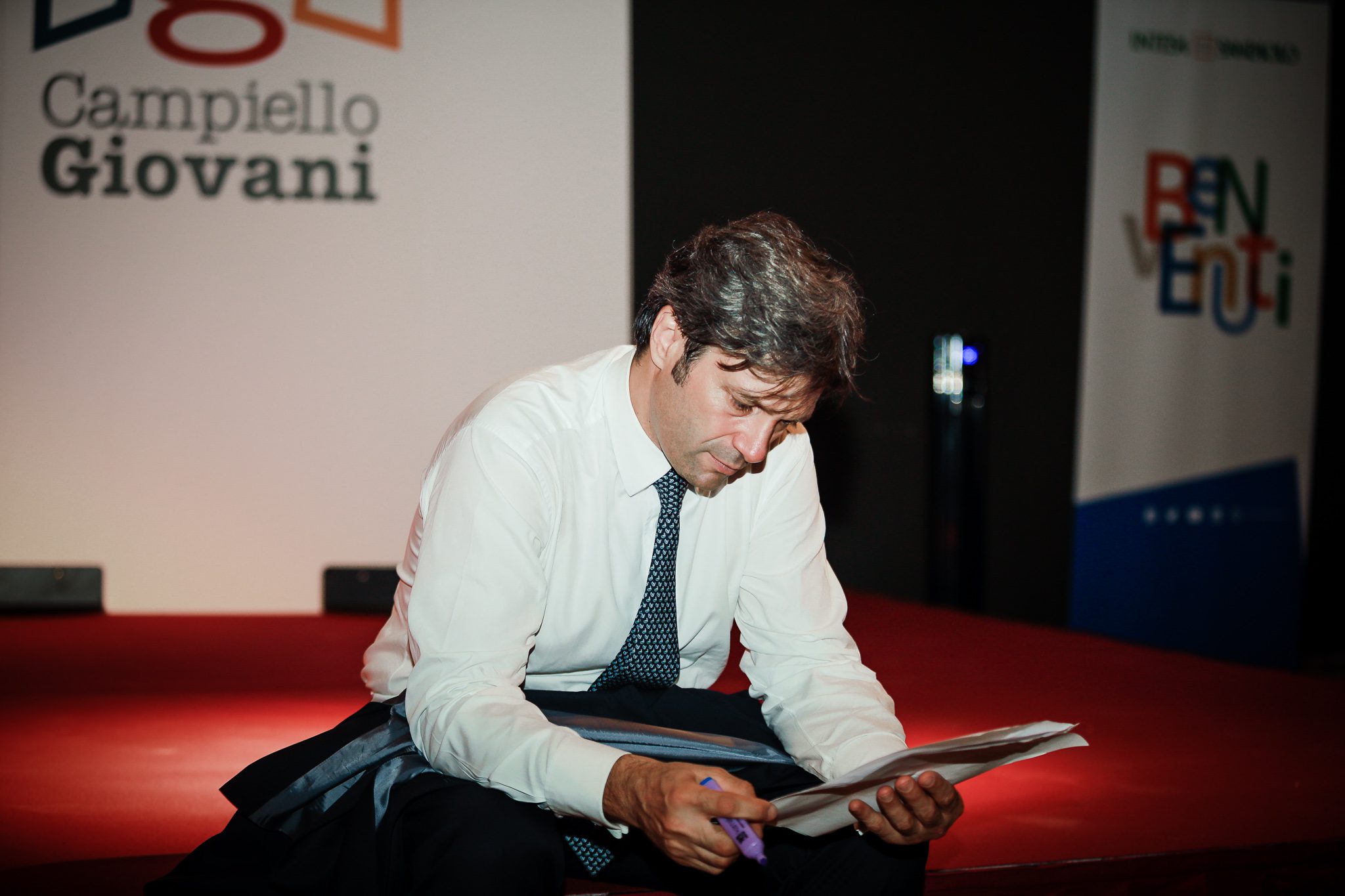
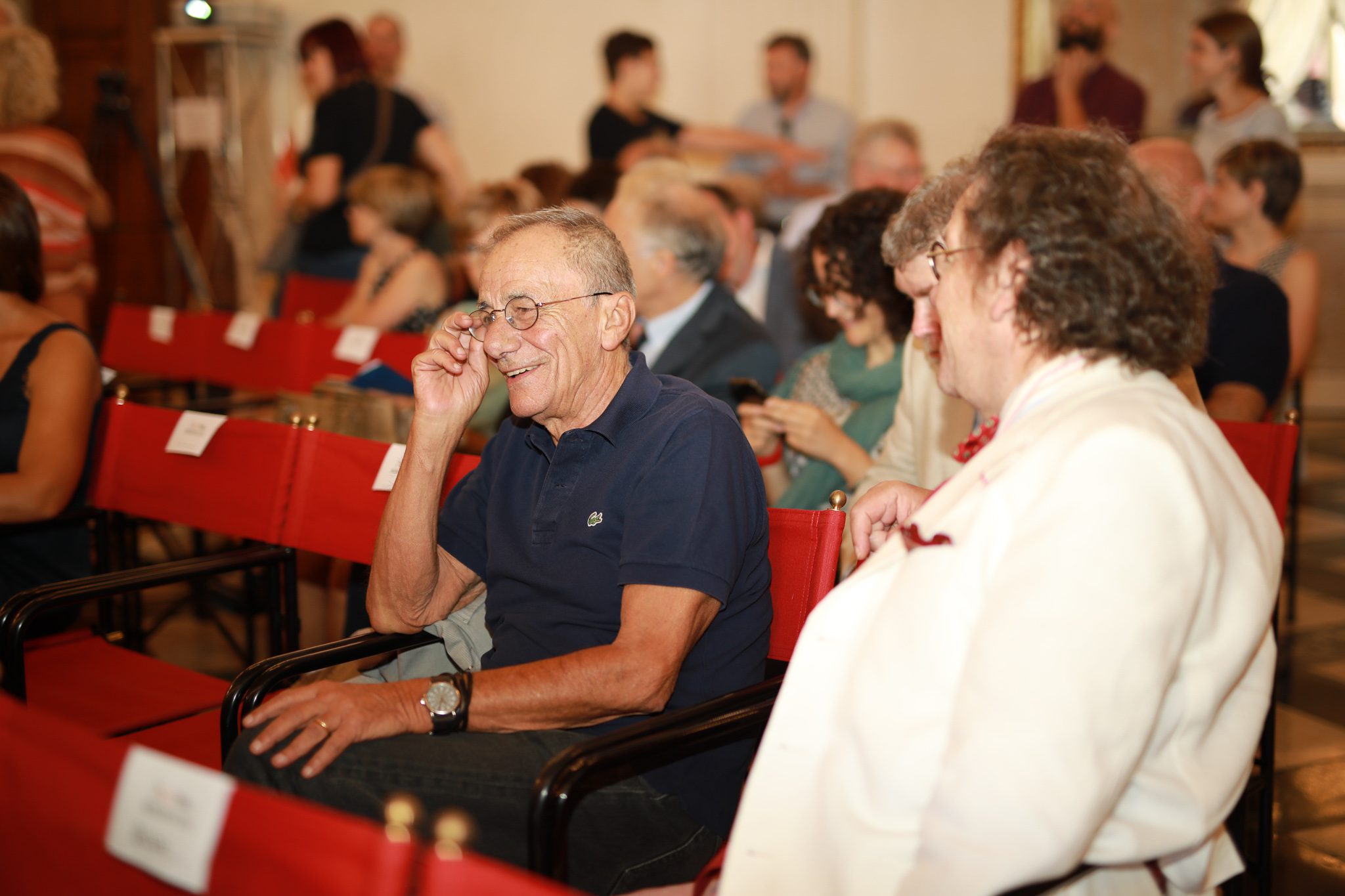
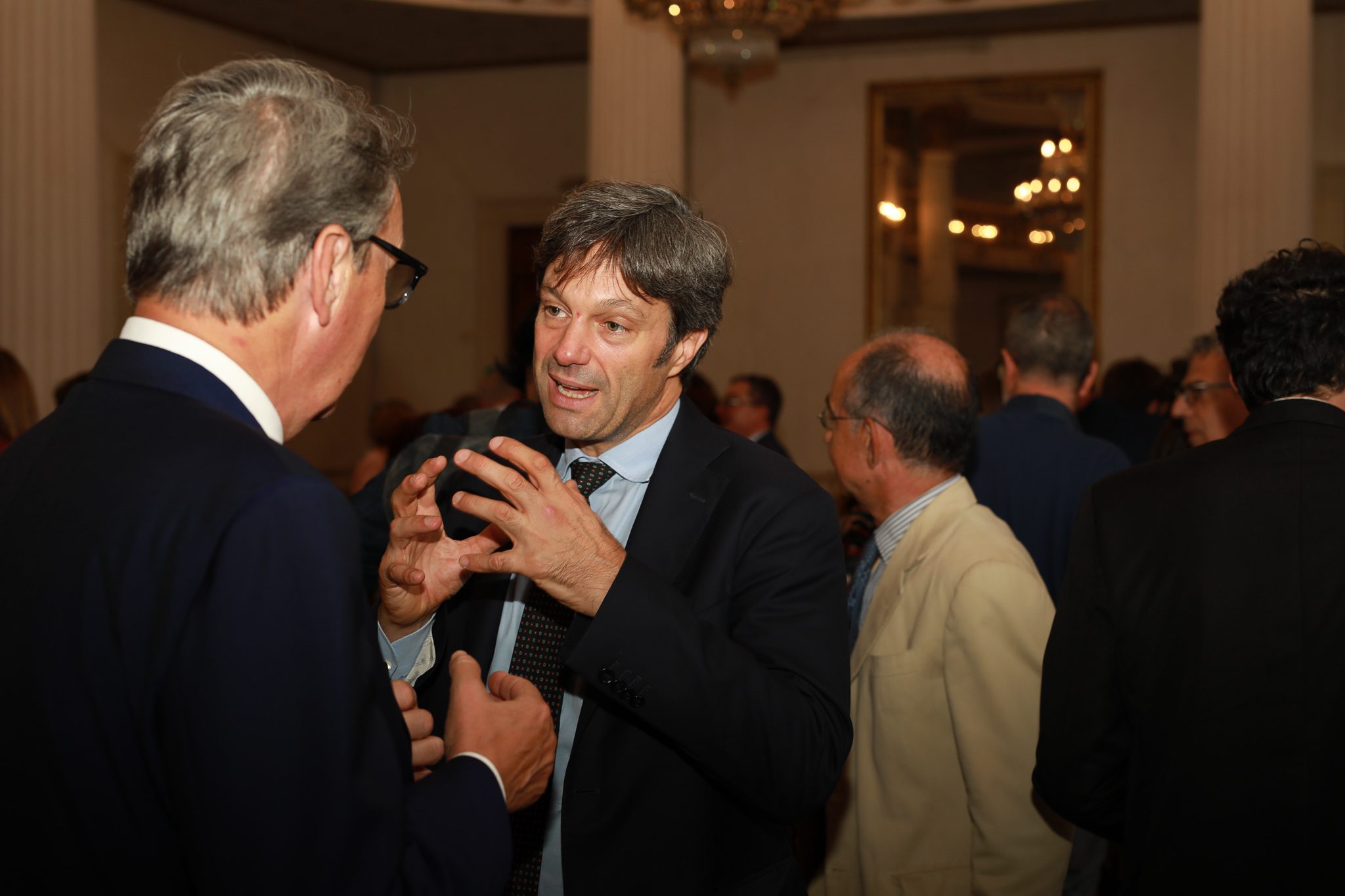
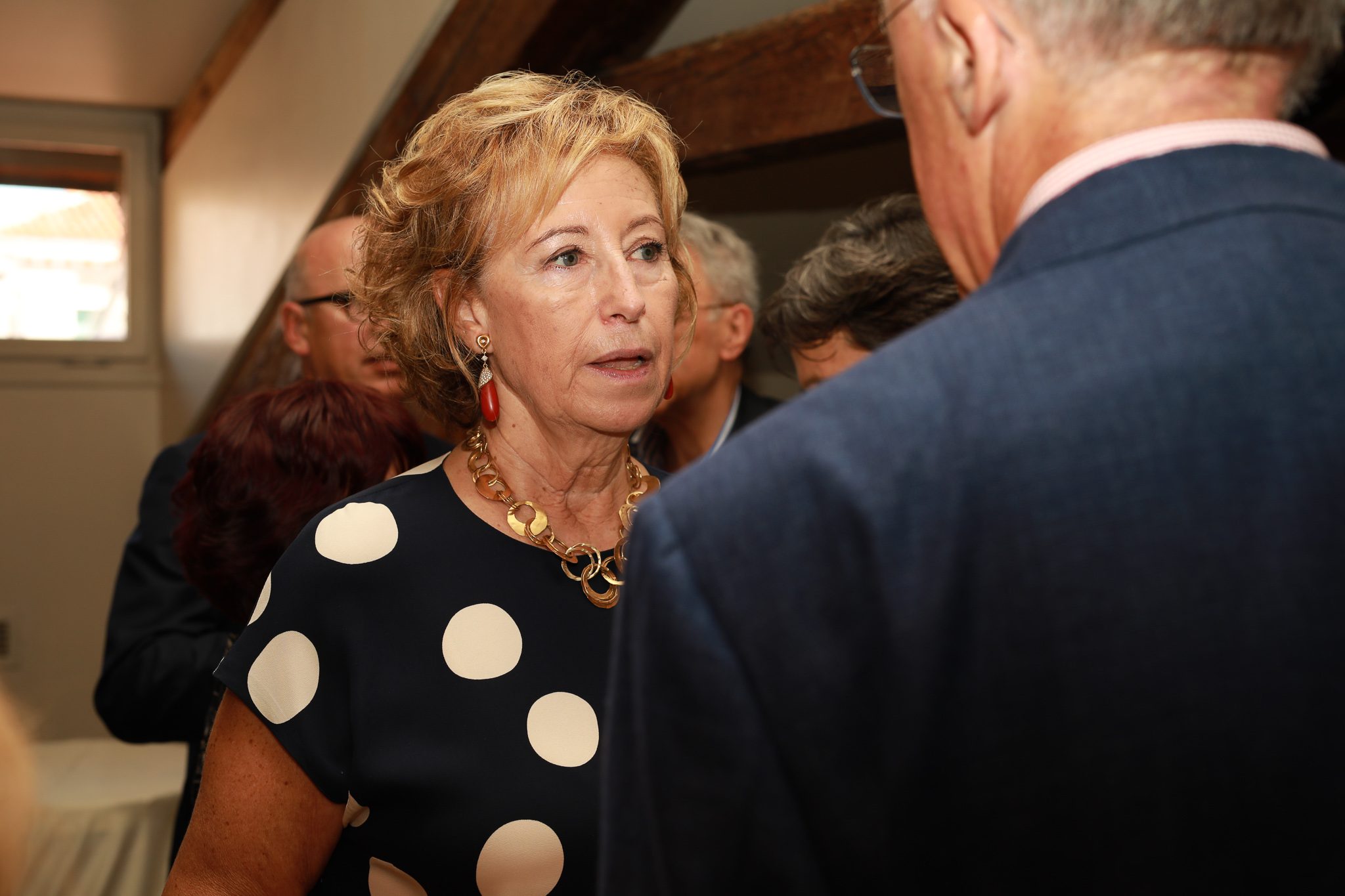
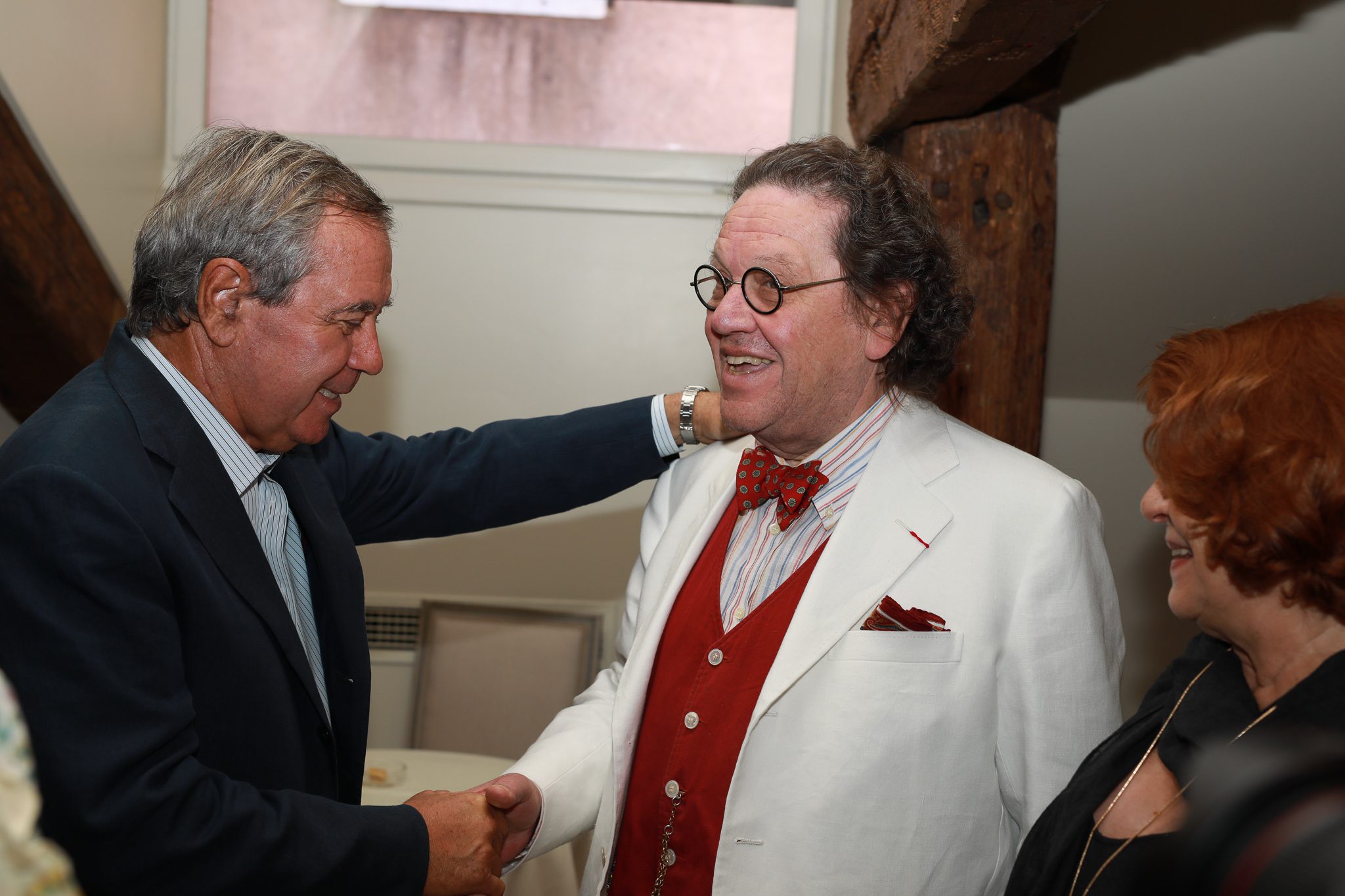
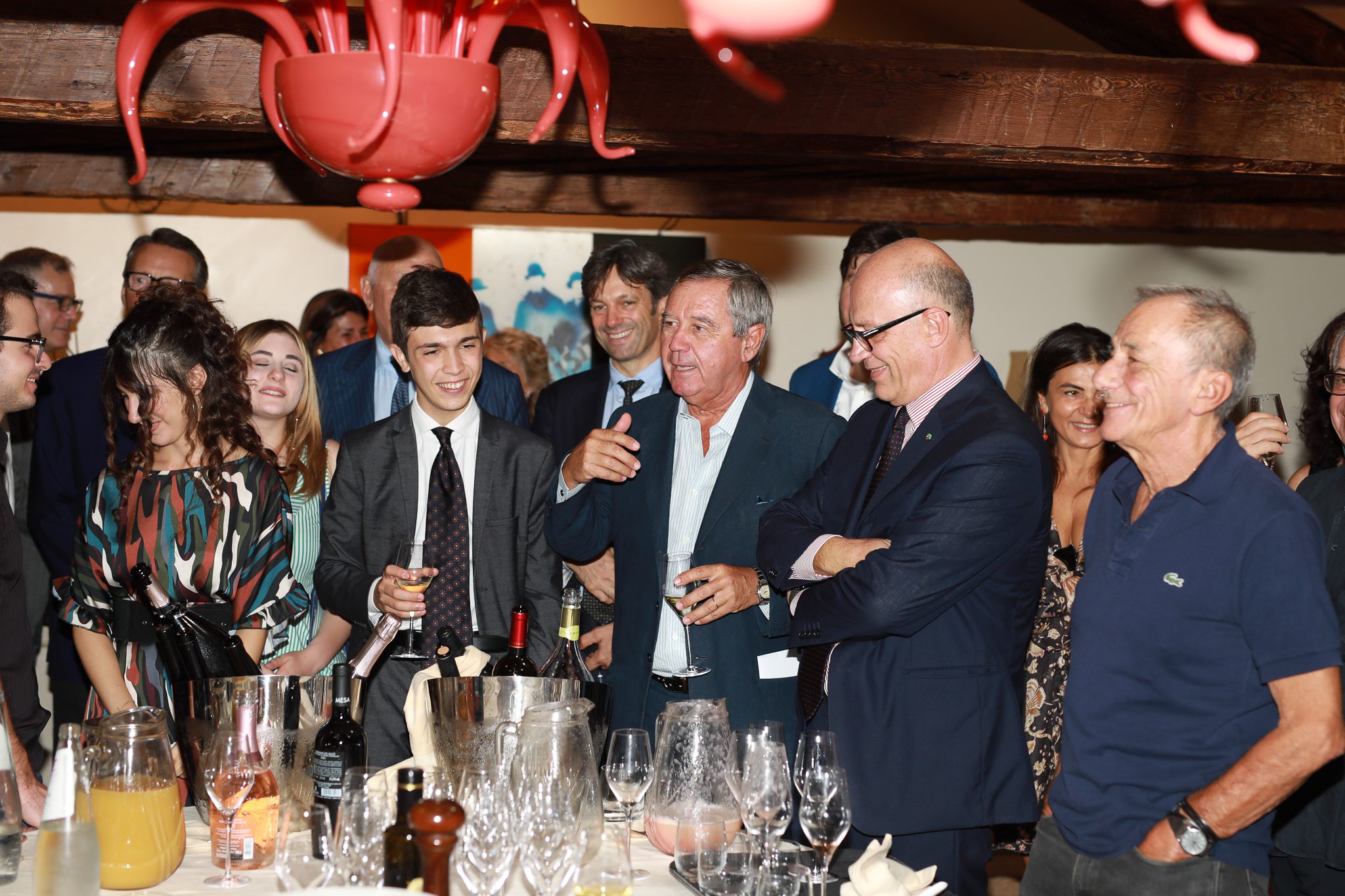
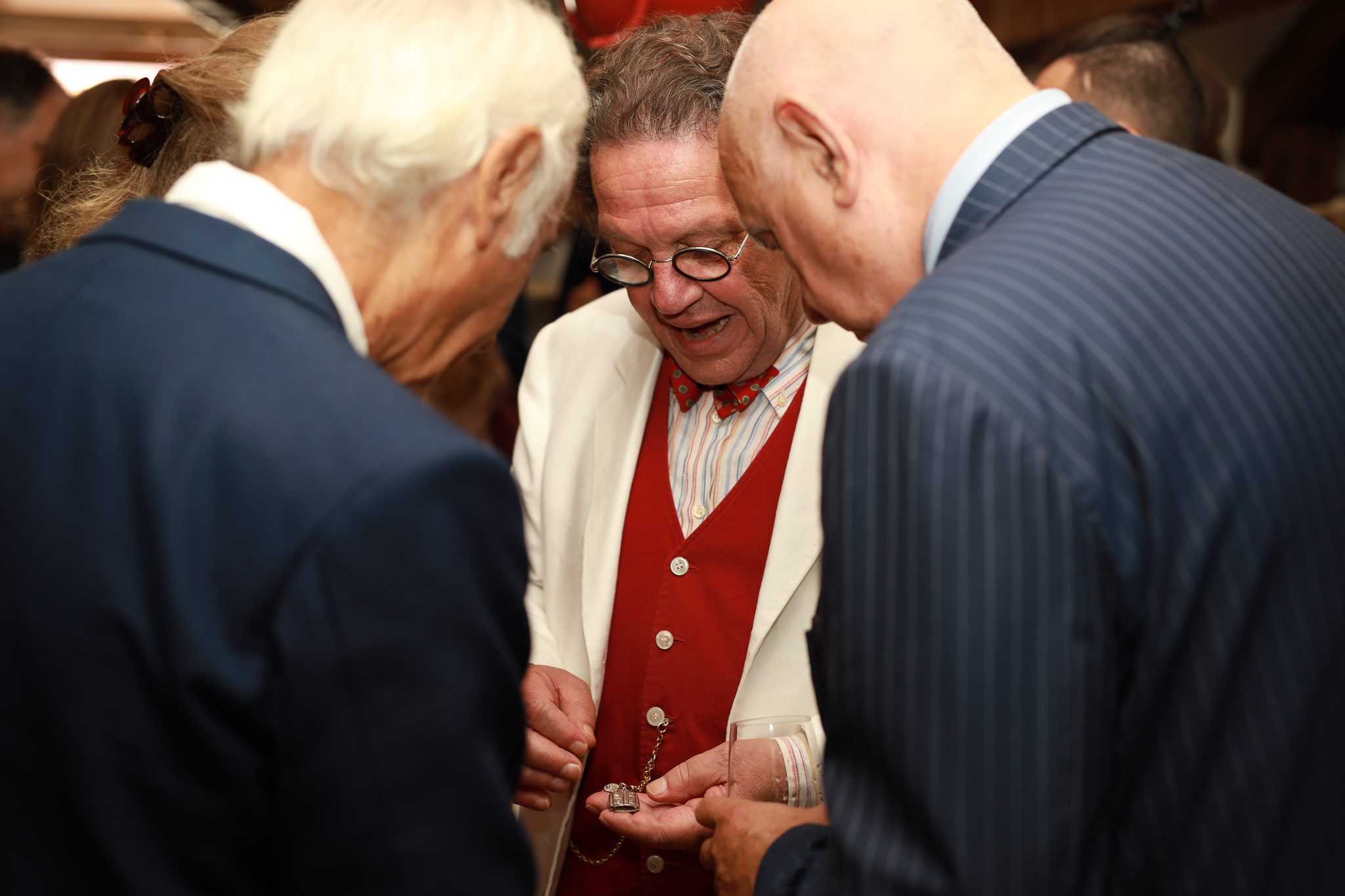
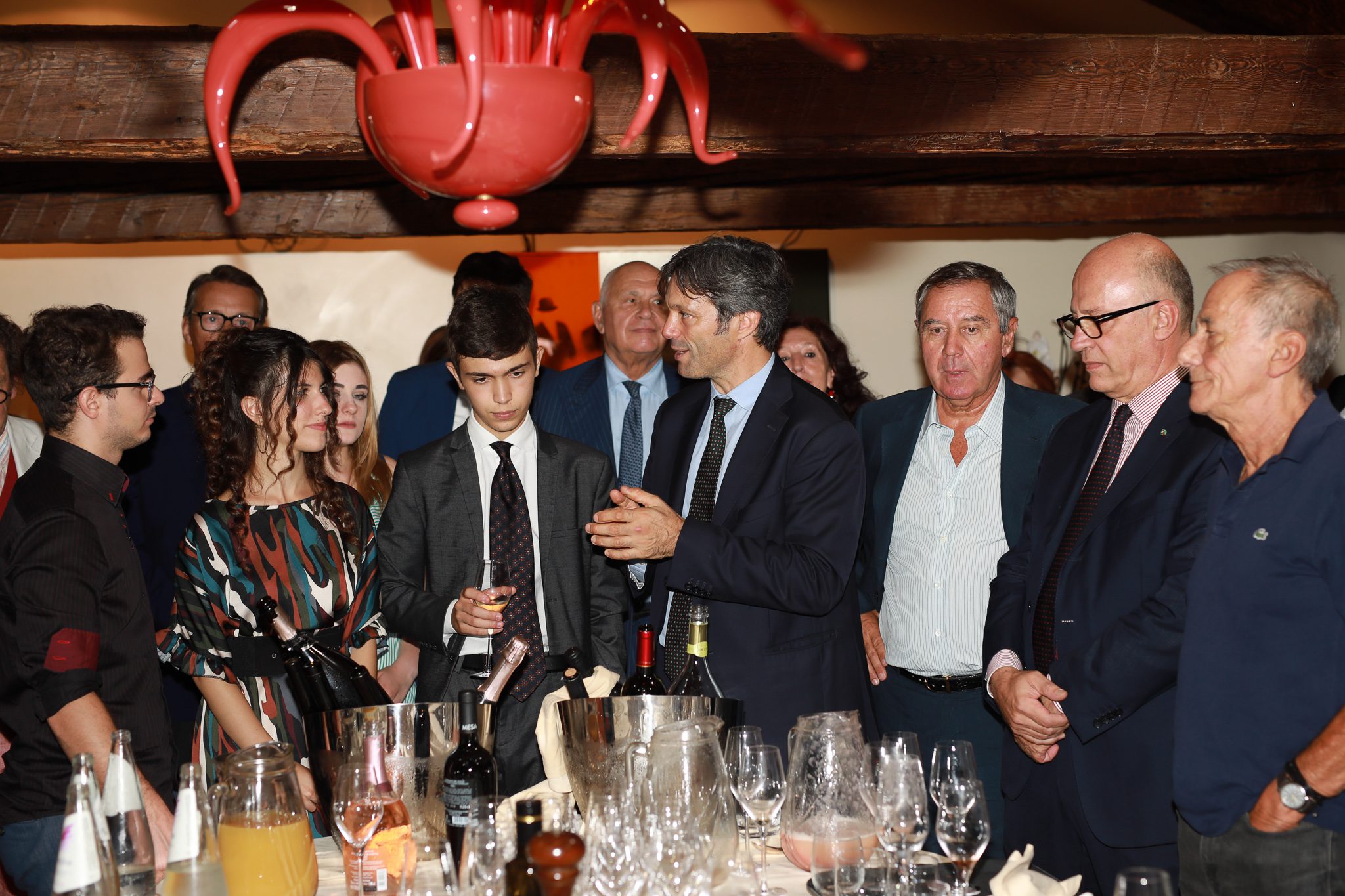
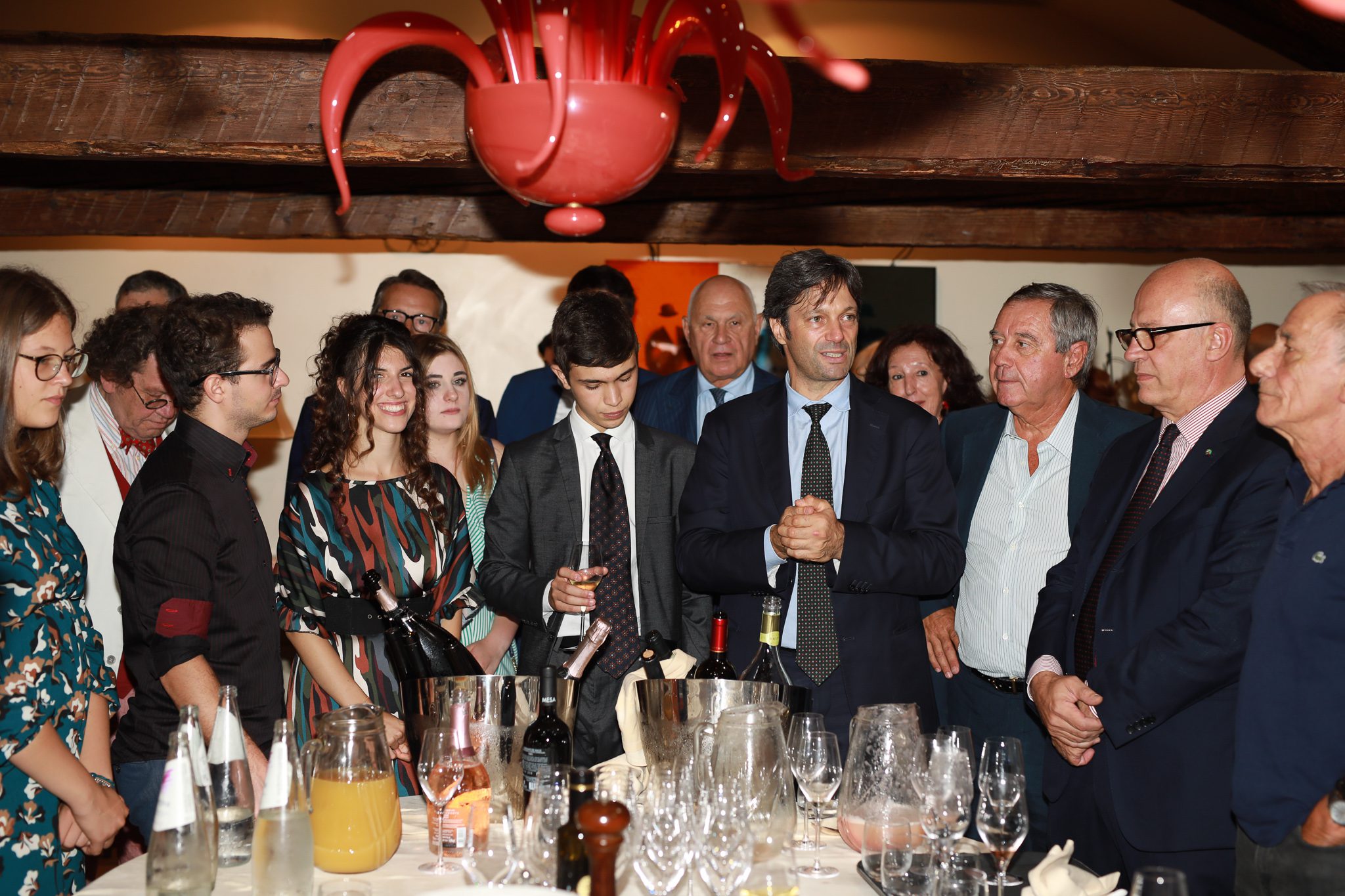
- informal encounters and guests’ reactions.
Simply recording what happened was not enough. Each situation needed to be told through wide shots, close-ups, reverse angles of the audience, details and photographs that conveyed the evening’s atmosphere.
Simultaneous performances required careful allocation of photographers, advance knowledge of the programme and the ability to change the working plan quickly when timings, access or movements changed.
The press conference at Museo Correr
On the morning of 14 September, the coverage continued at Museo Correr, with a press conference featuring the event’s participants and finalists.
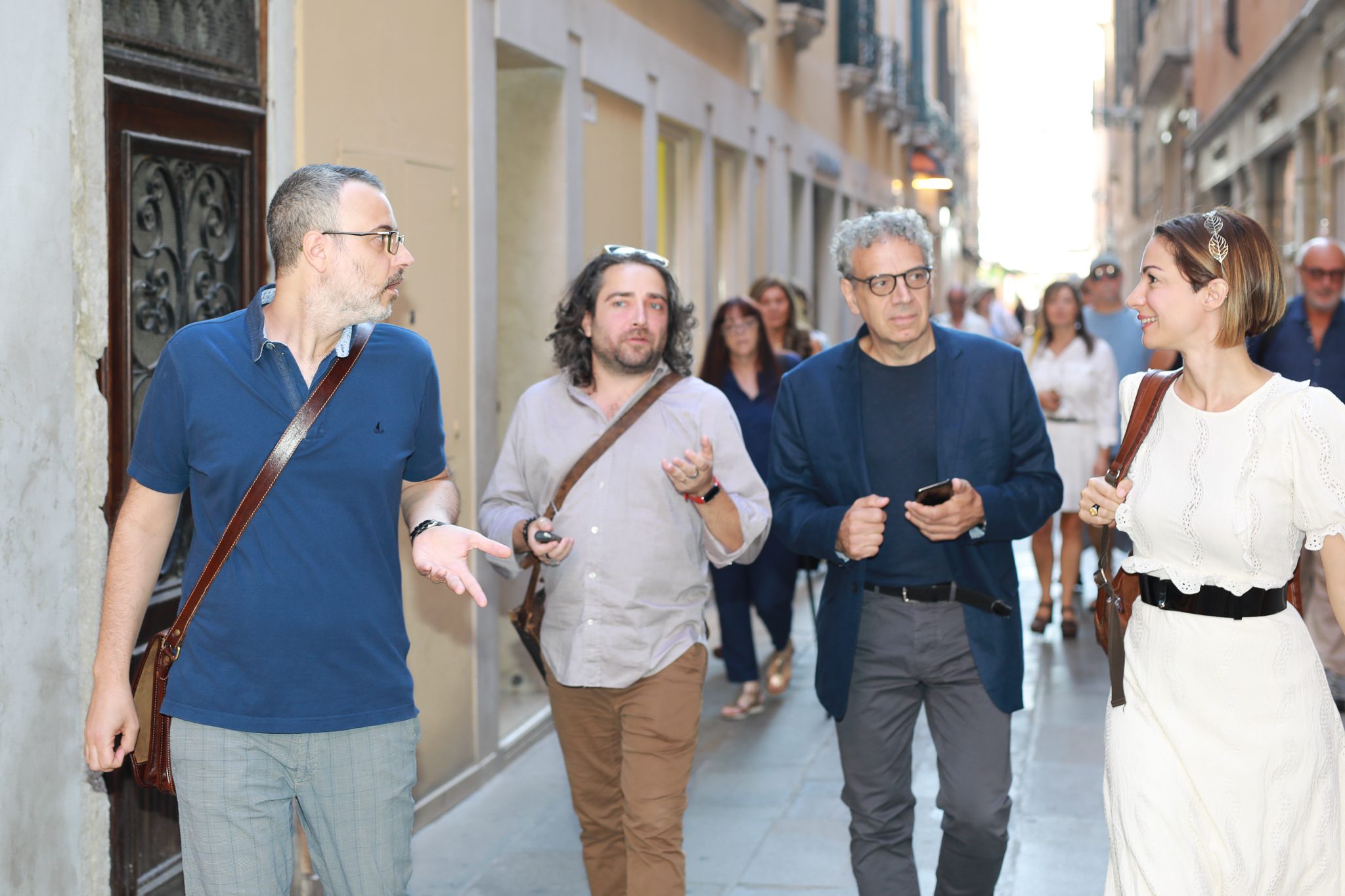
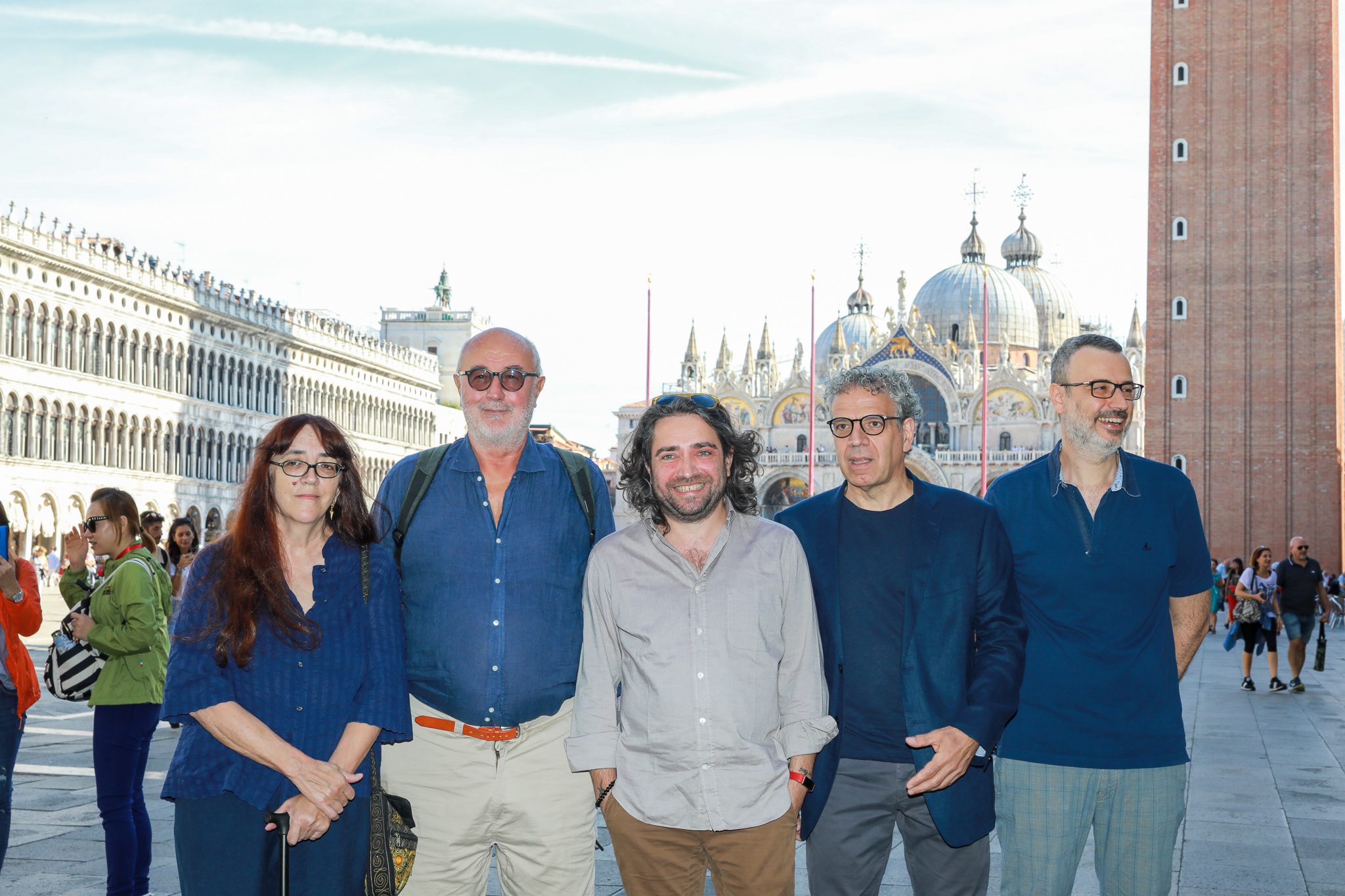
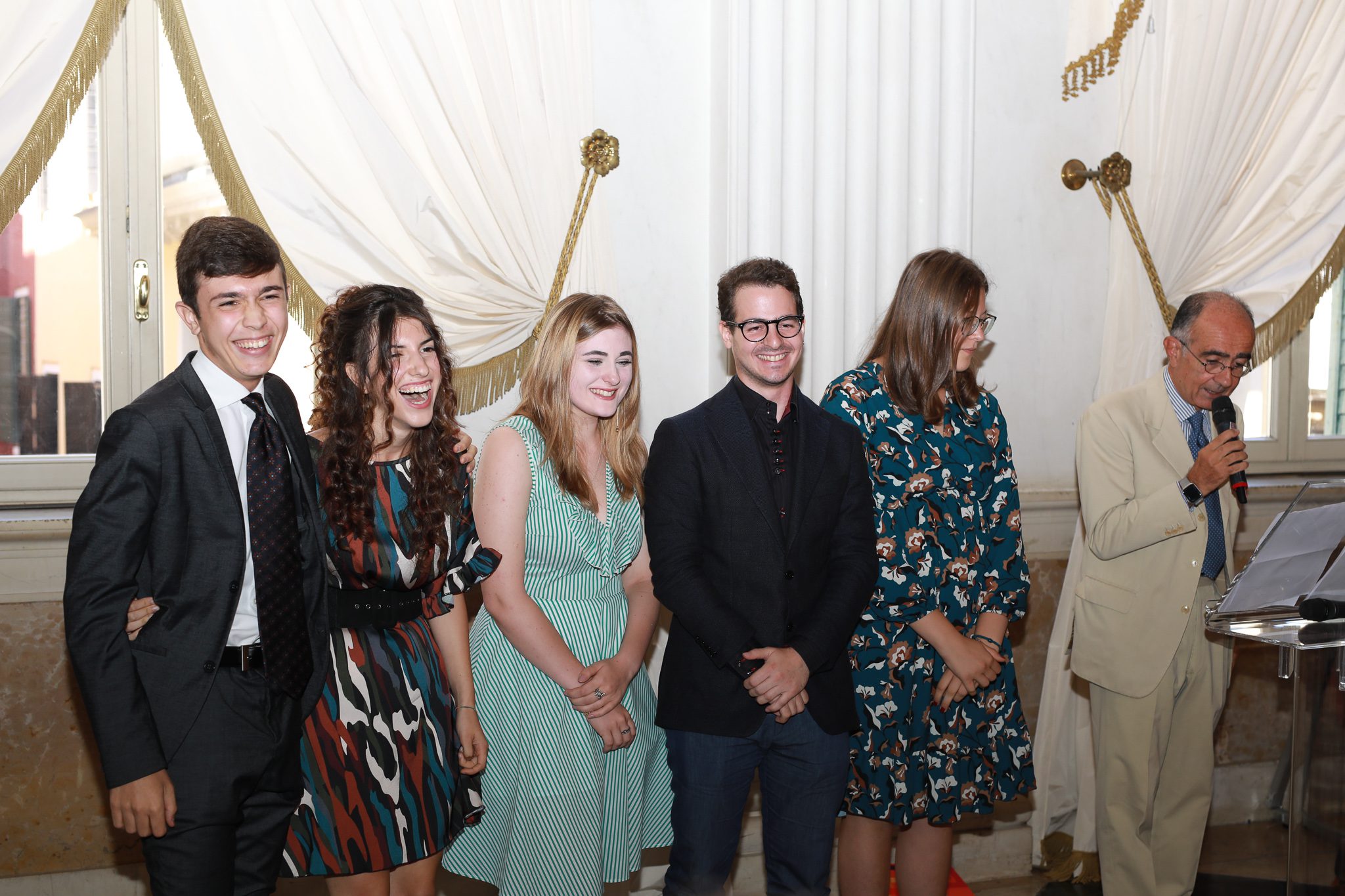
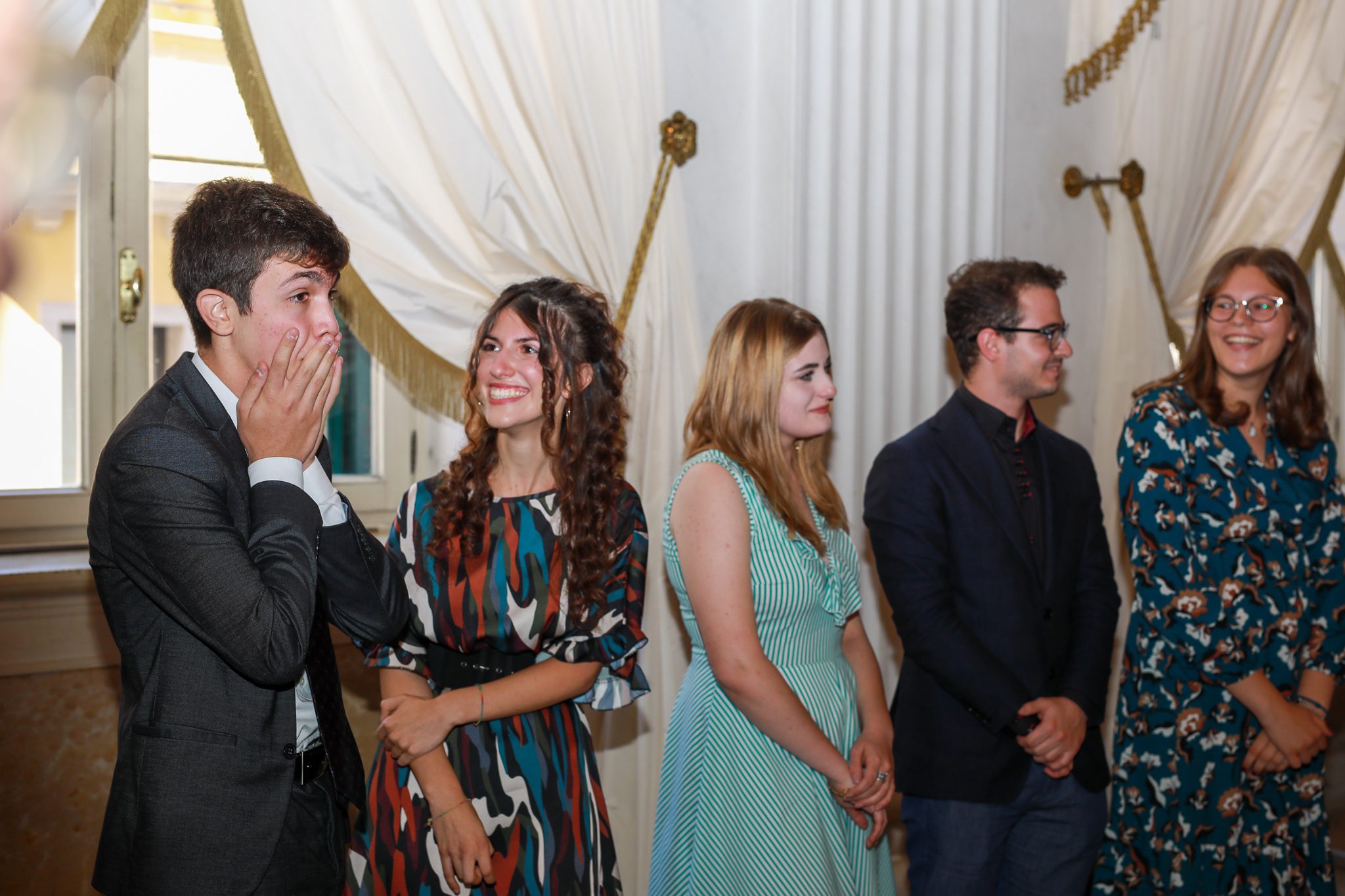
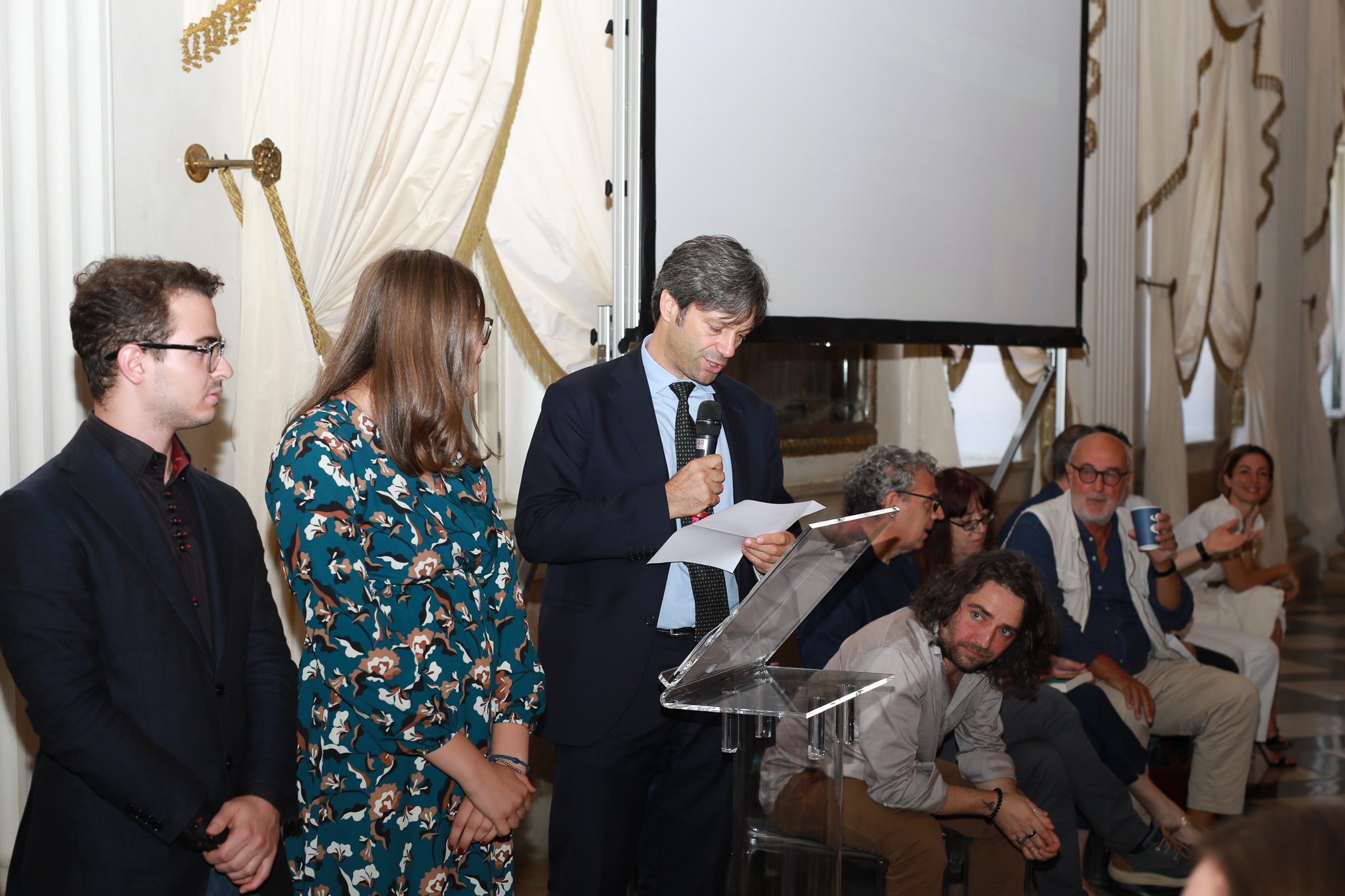
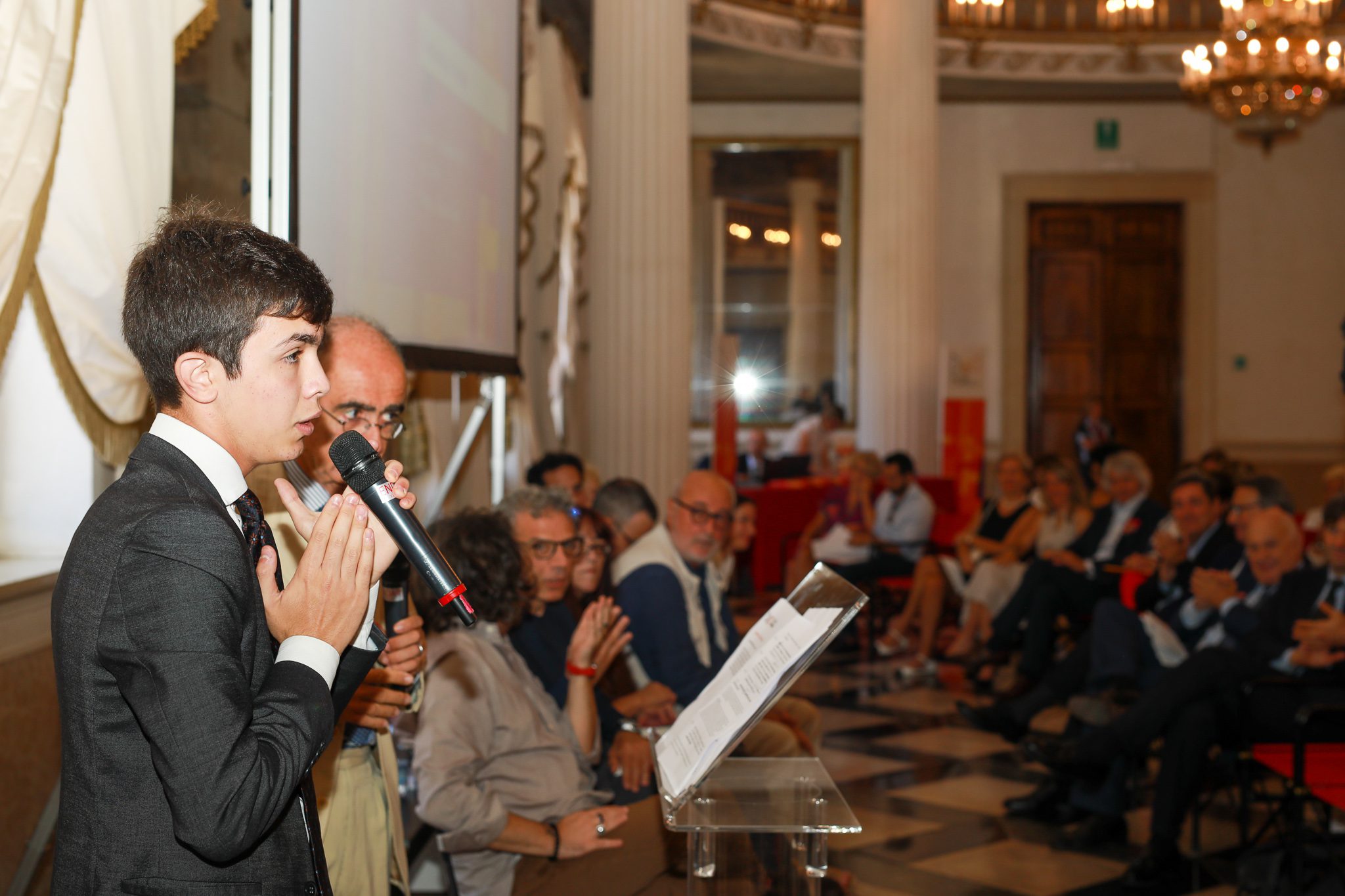
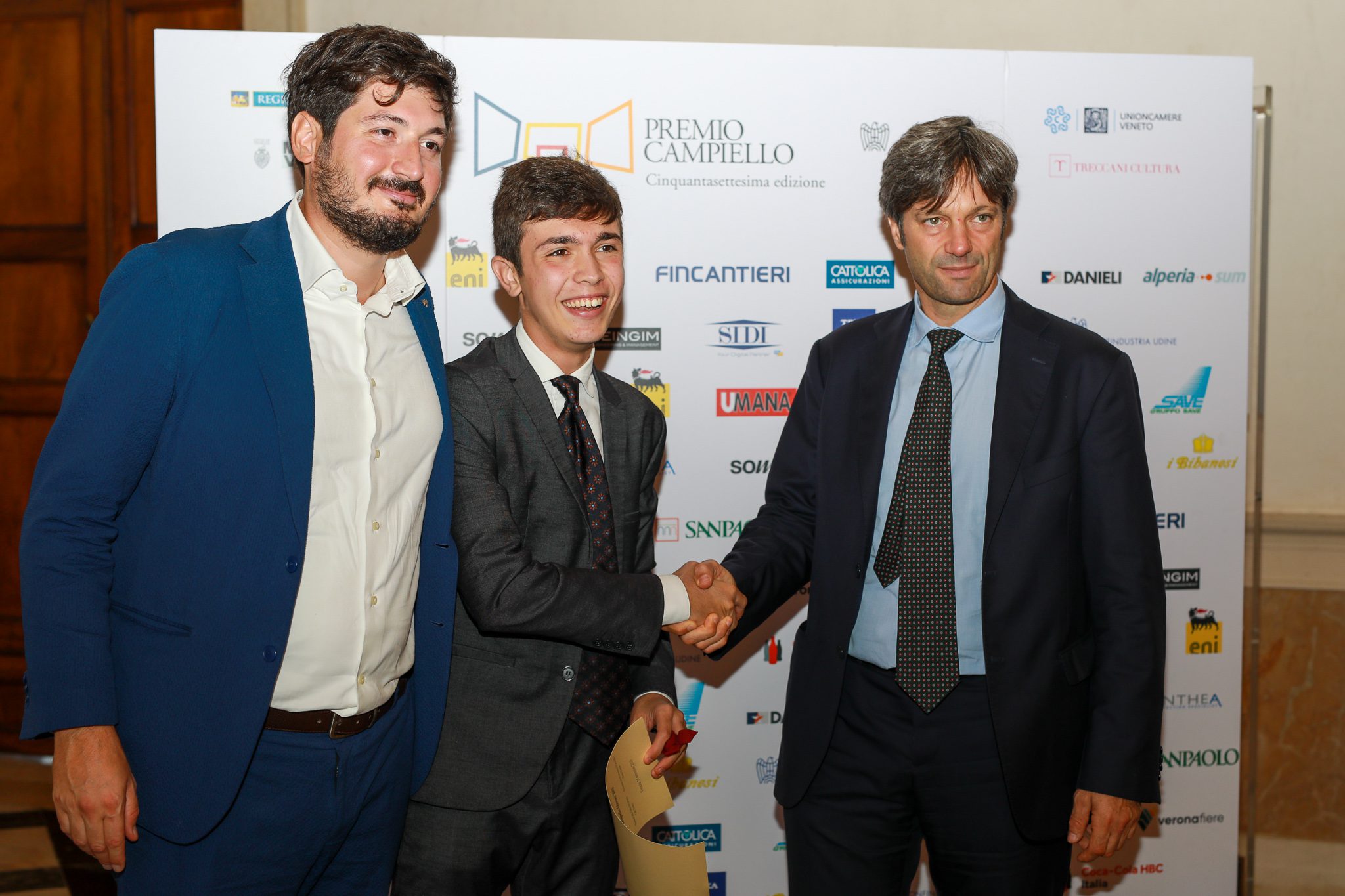
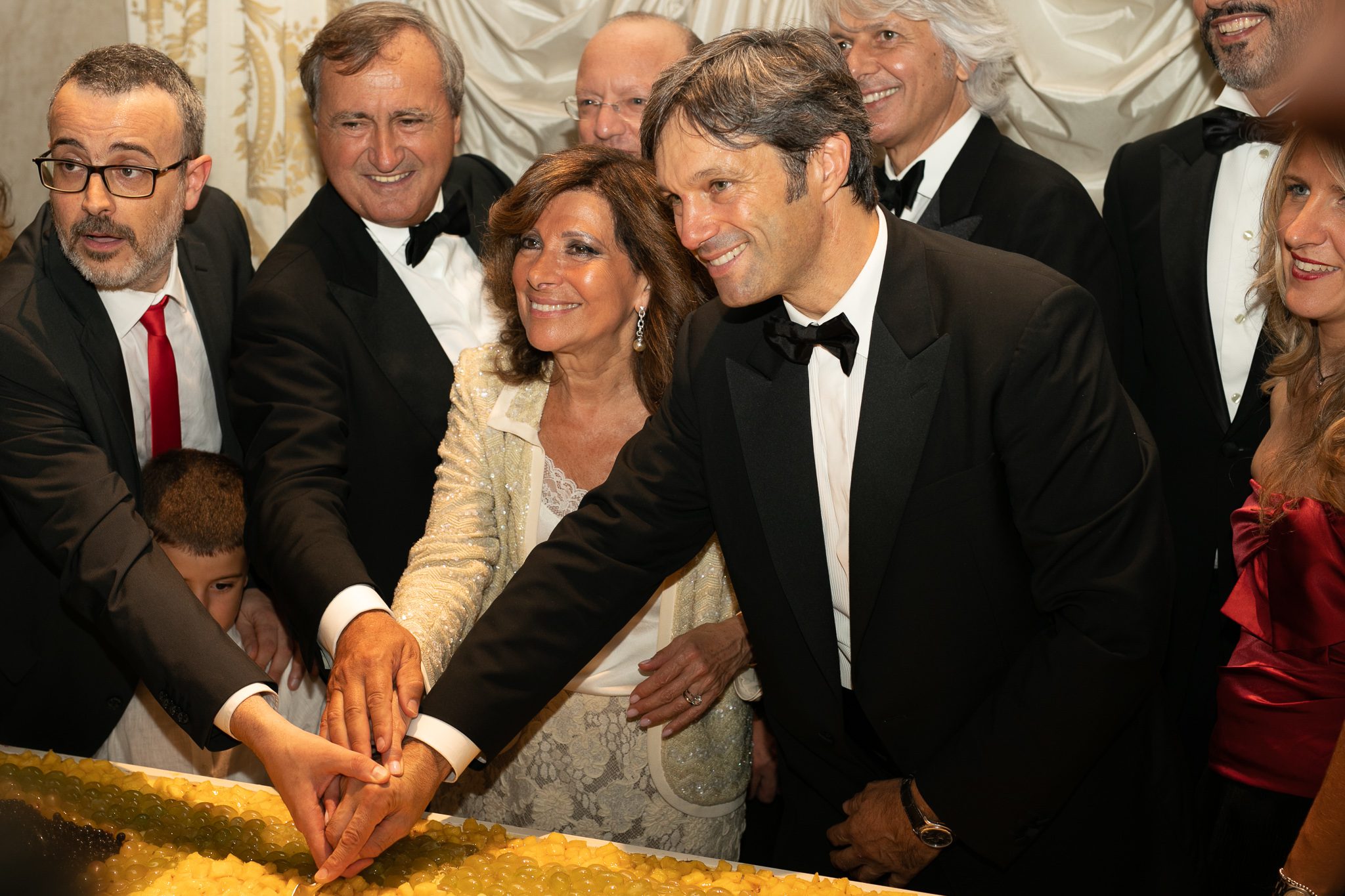
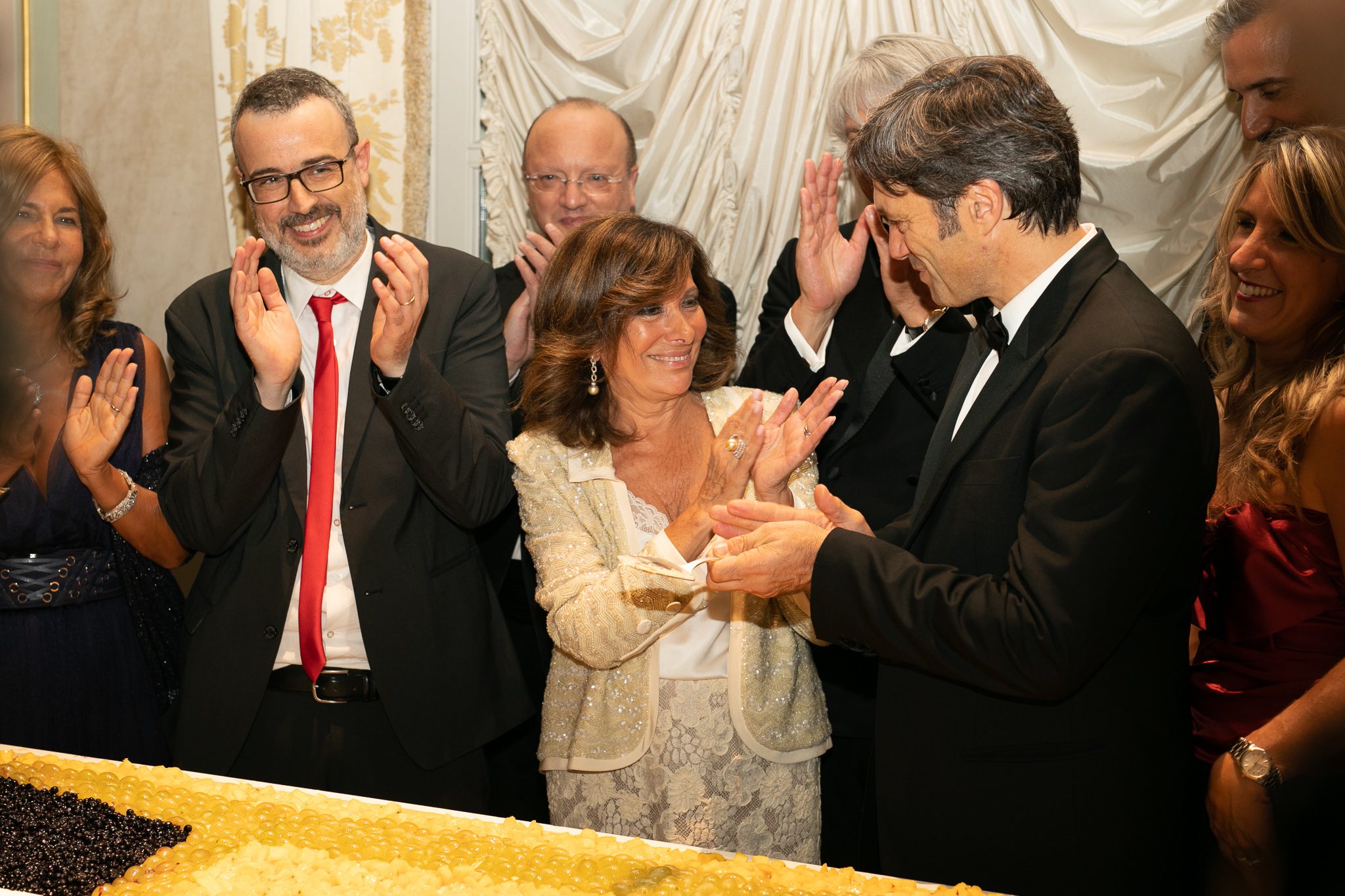
Here too, the coverage needed to include many different people and moments: meetings in Piazza San Marco, official greetings, the Campiello Giovani award presentation, the introduction of the five finalists, the winner of the Premio Campiello Opera Prima and official photographs with representatives of the Foundation and Management Committee.
At events of this level, the photographer must know the running order precisely and immediately recognise people, roles and priorities.
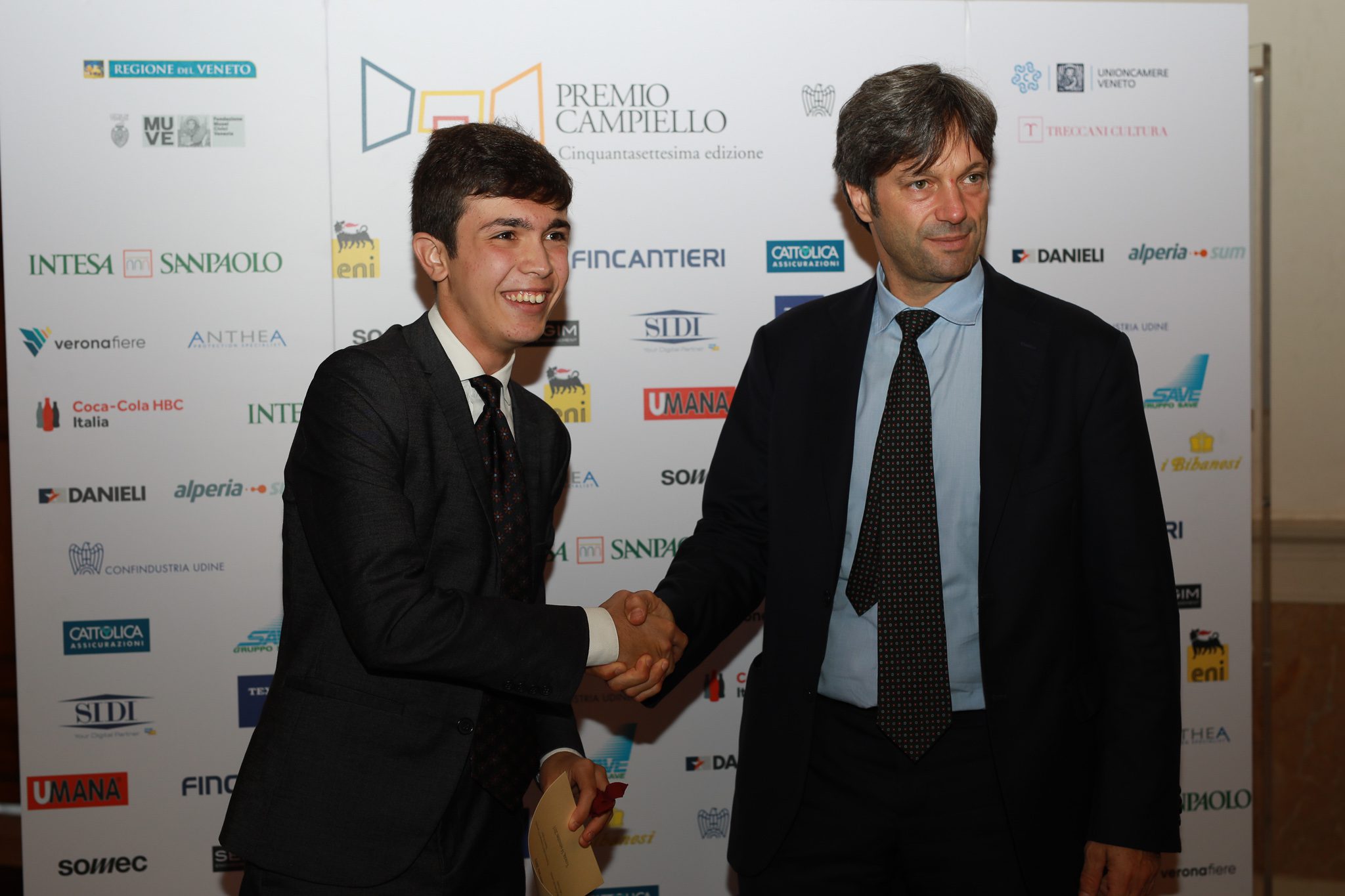
An expression, a handshake or an award presentation may last only a few seconds and cannot be repeated. Being in the right place means anticipating what is about to happen, without interfering with the ceremony or obstructing organisers, video operators and other professionals.
Guests’ arrival and the ceremony at Teatro La Fenice
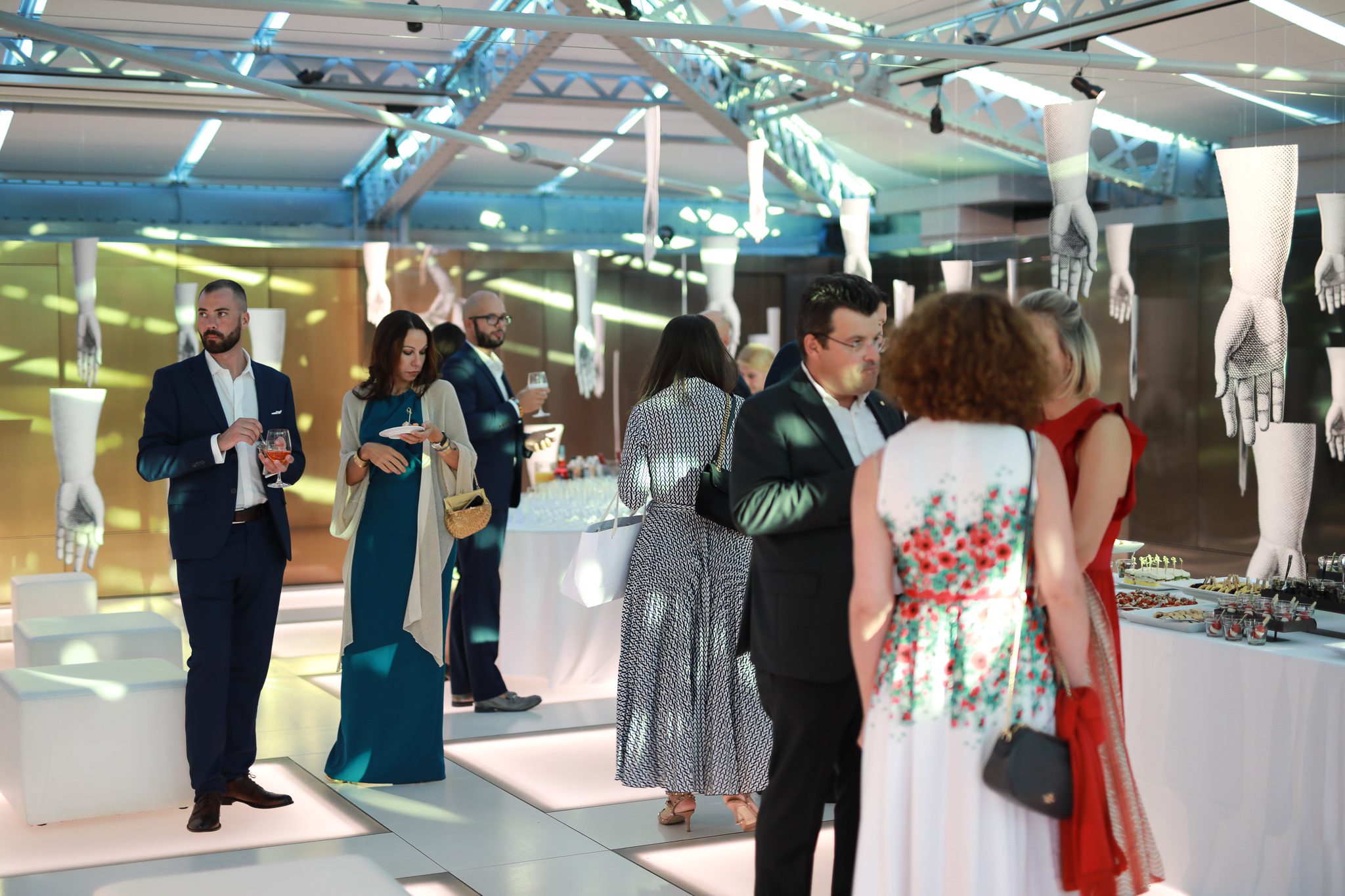
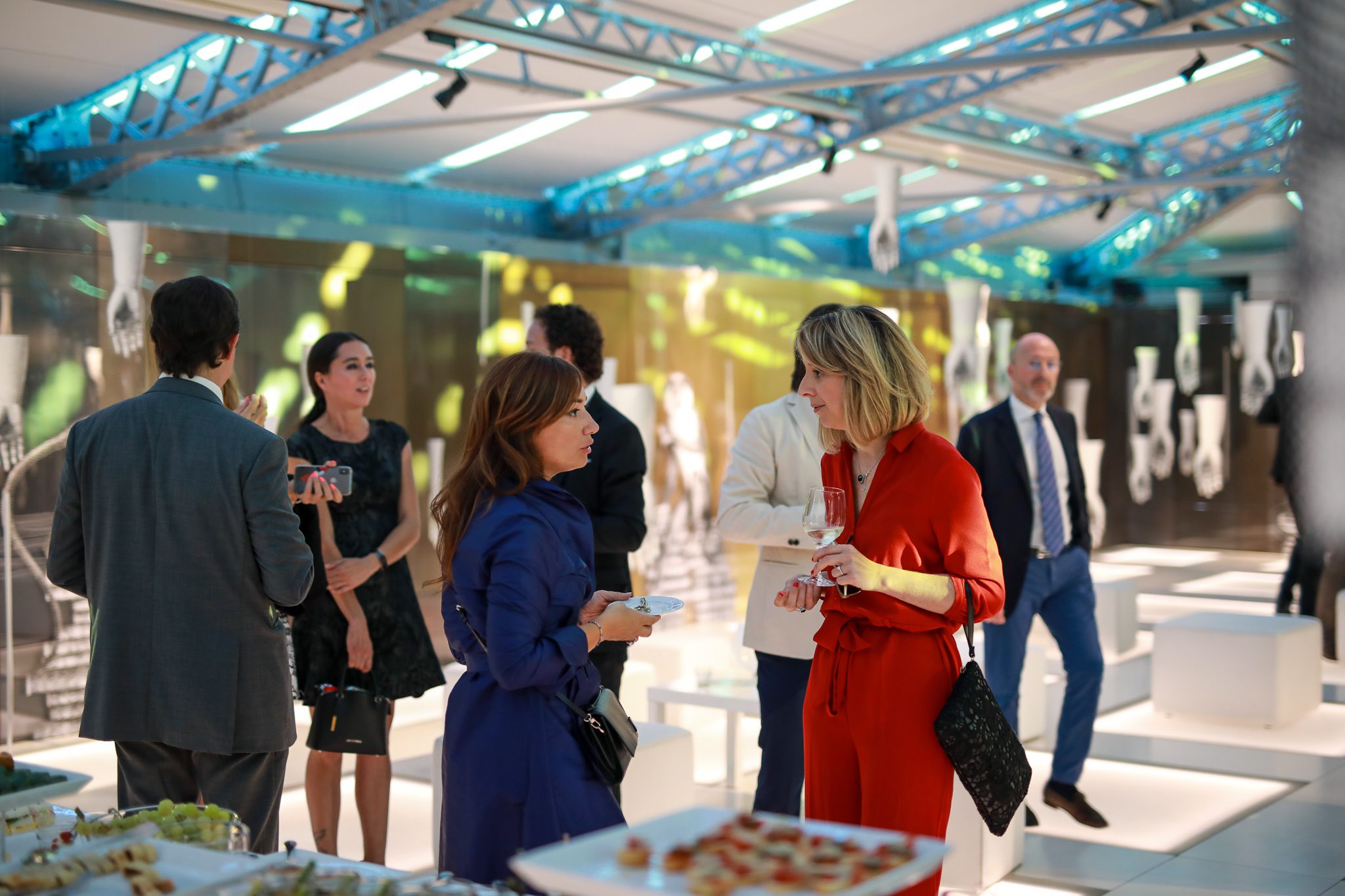
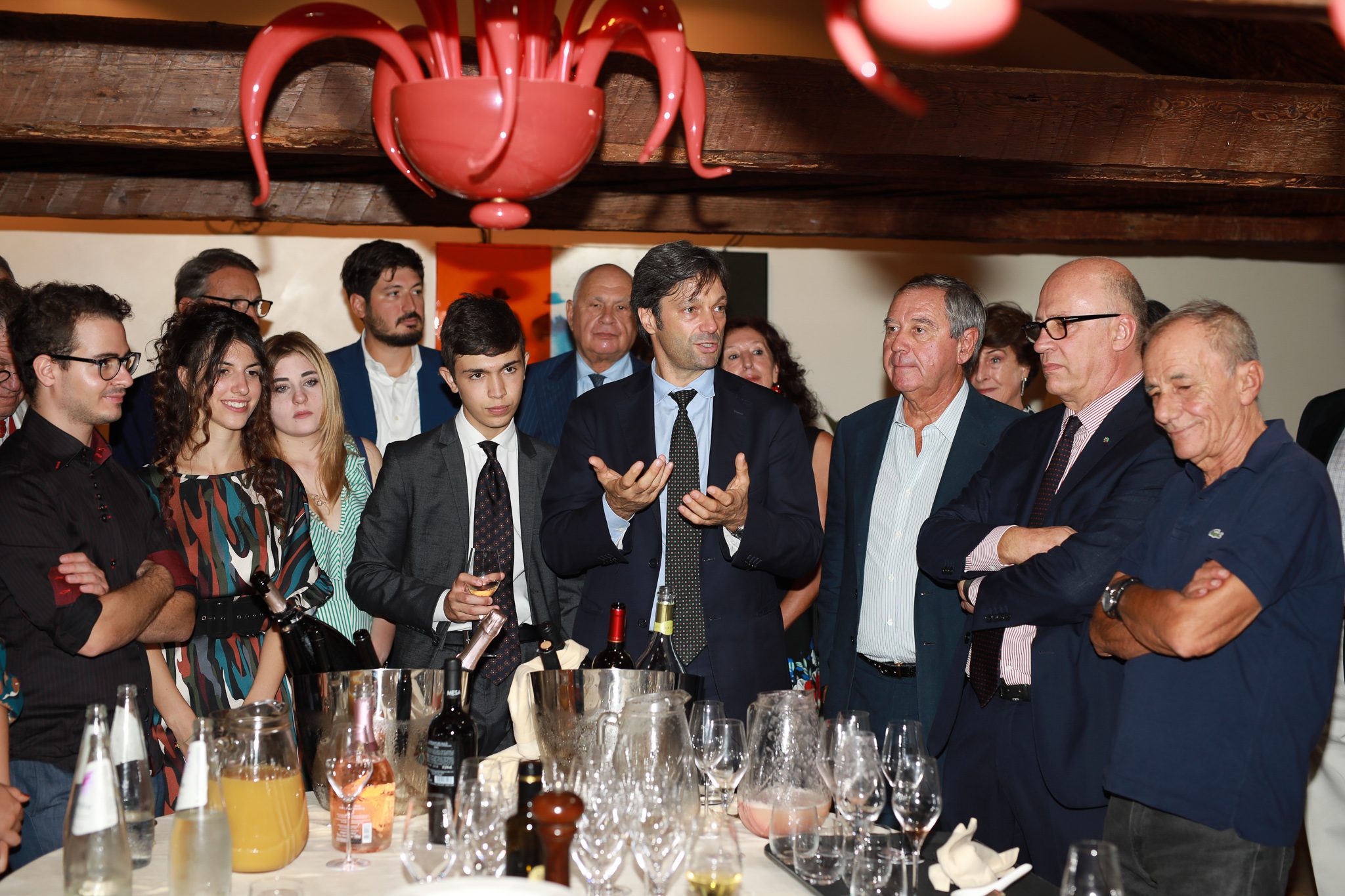
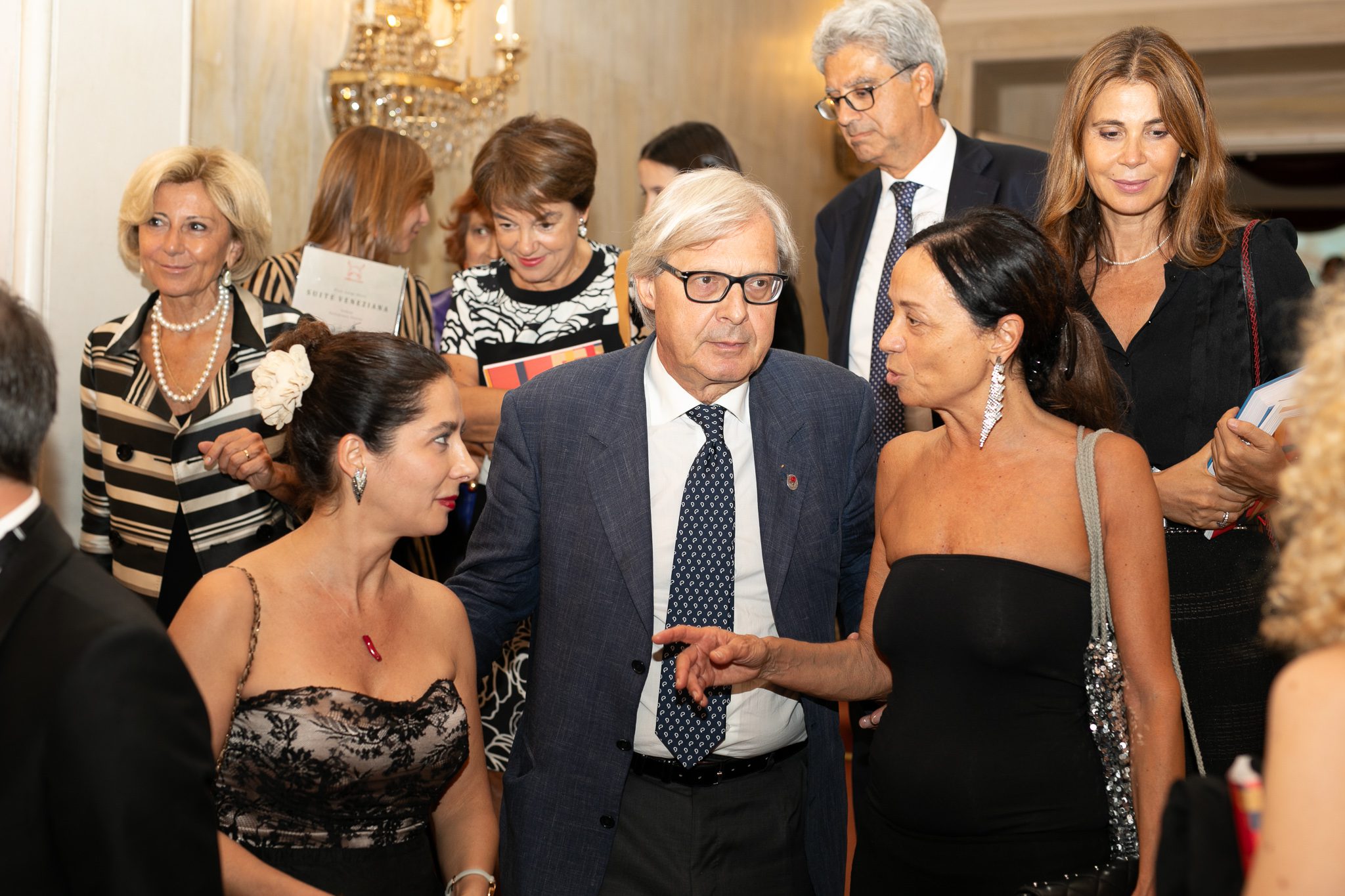
In the afternoon, the work moved to the Sale Apollinee at Teatro La Fenice, where the welcome cocktail reception took place before the official ceremony.
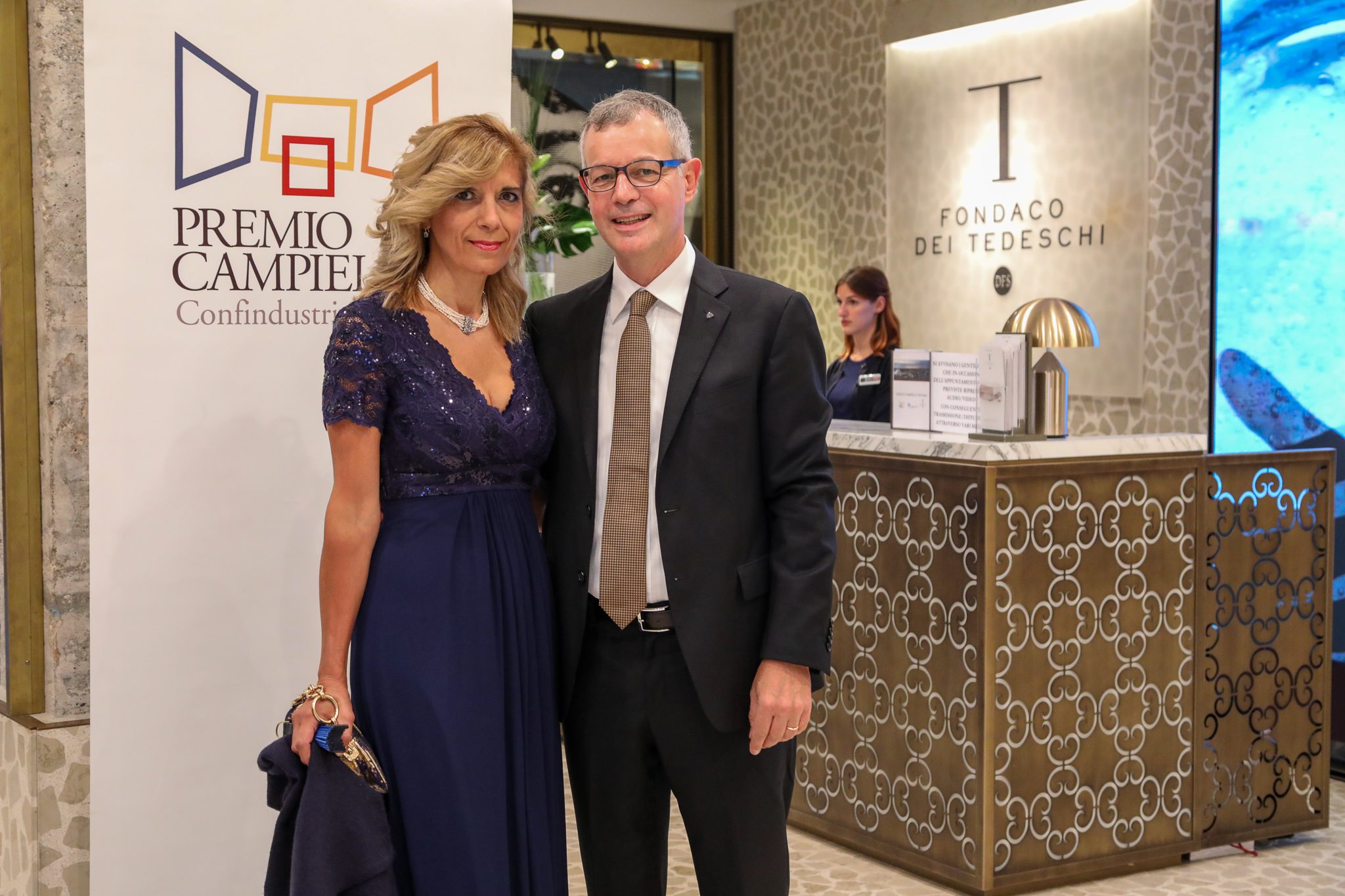
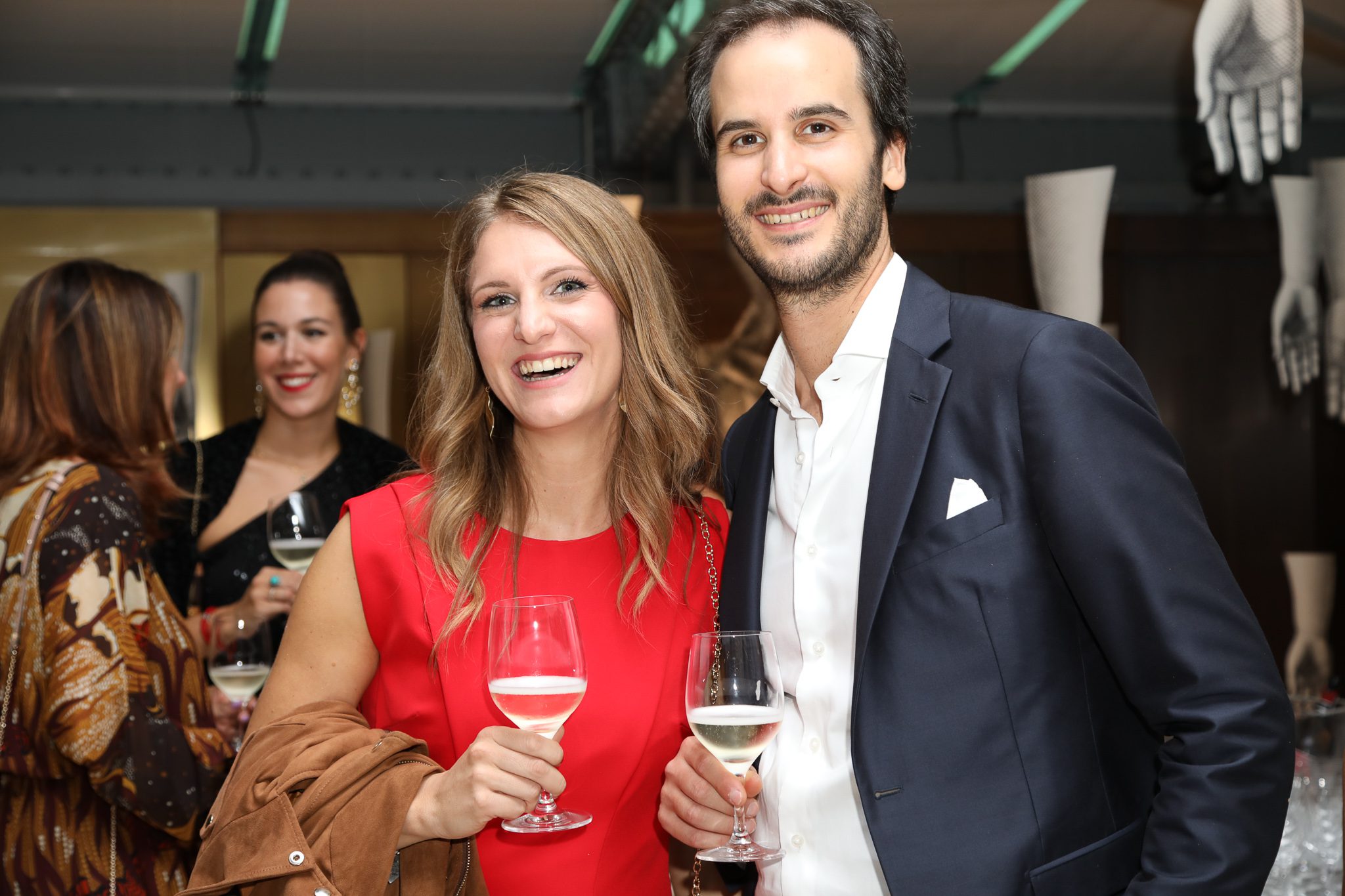
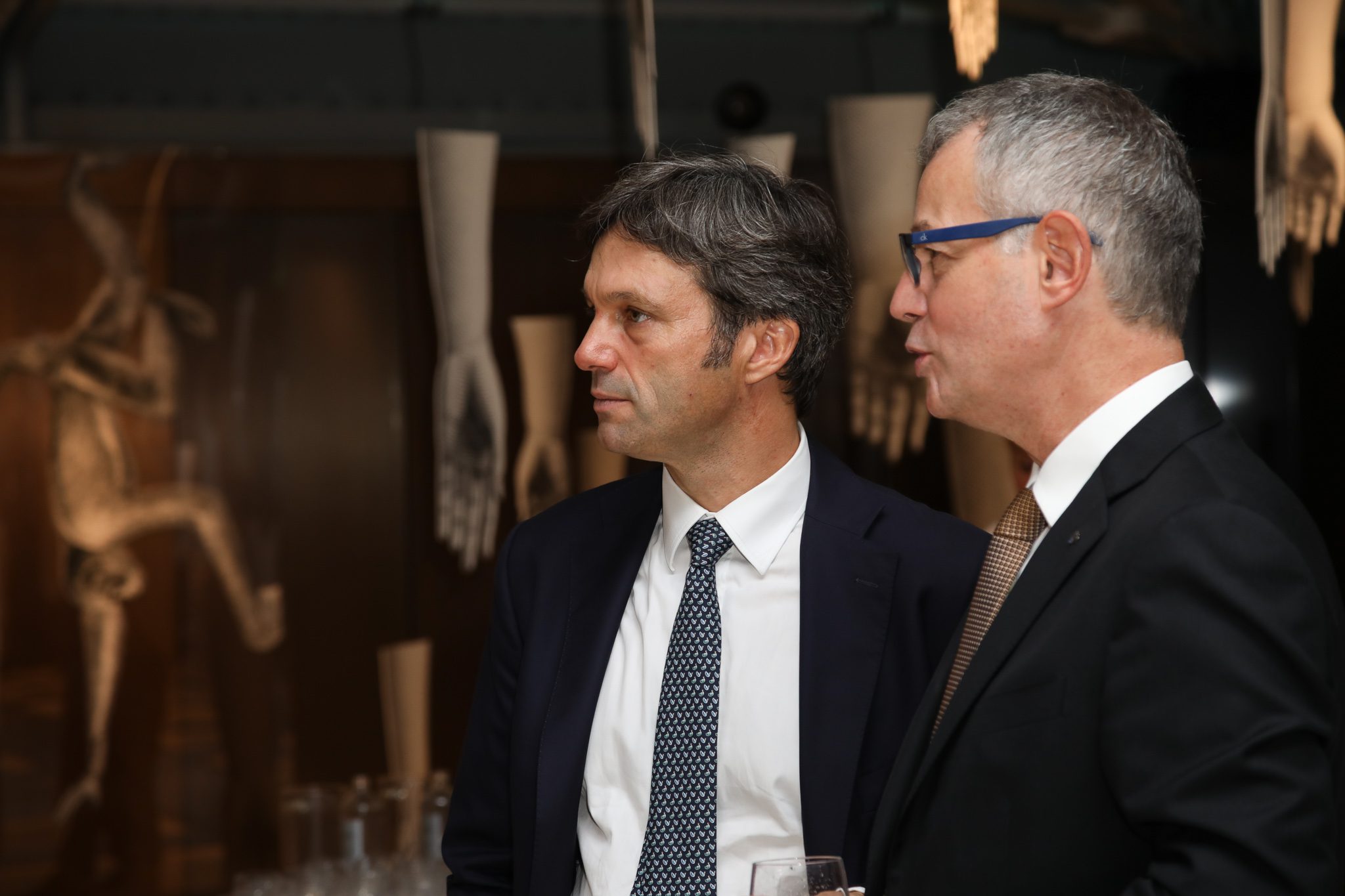
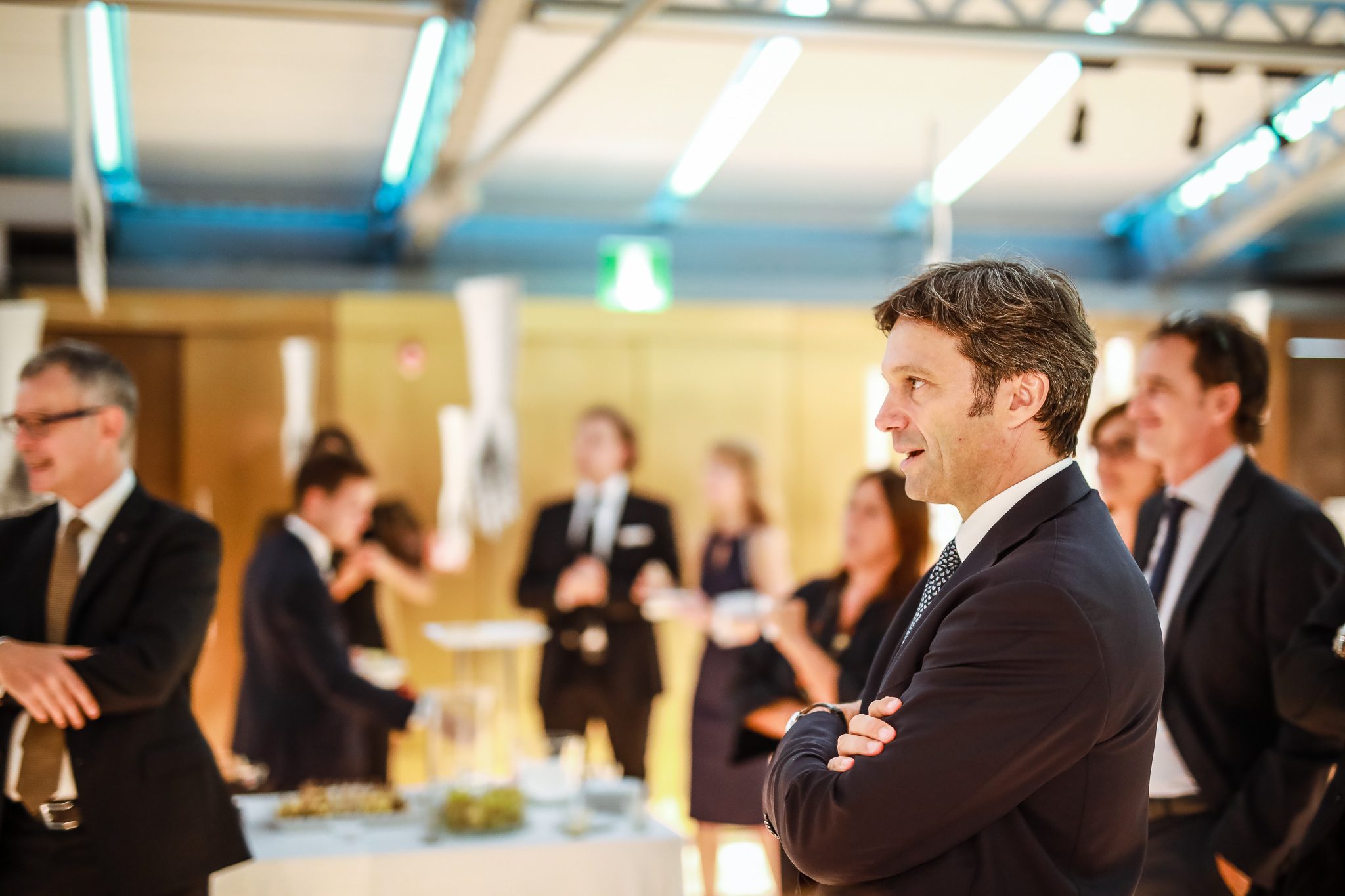
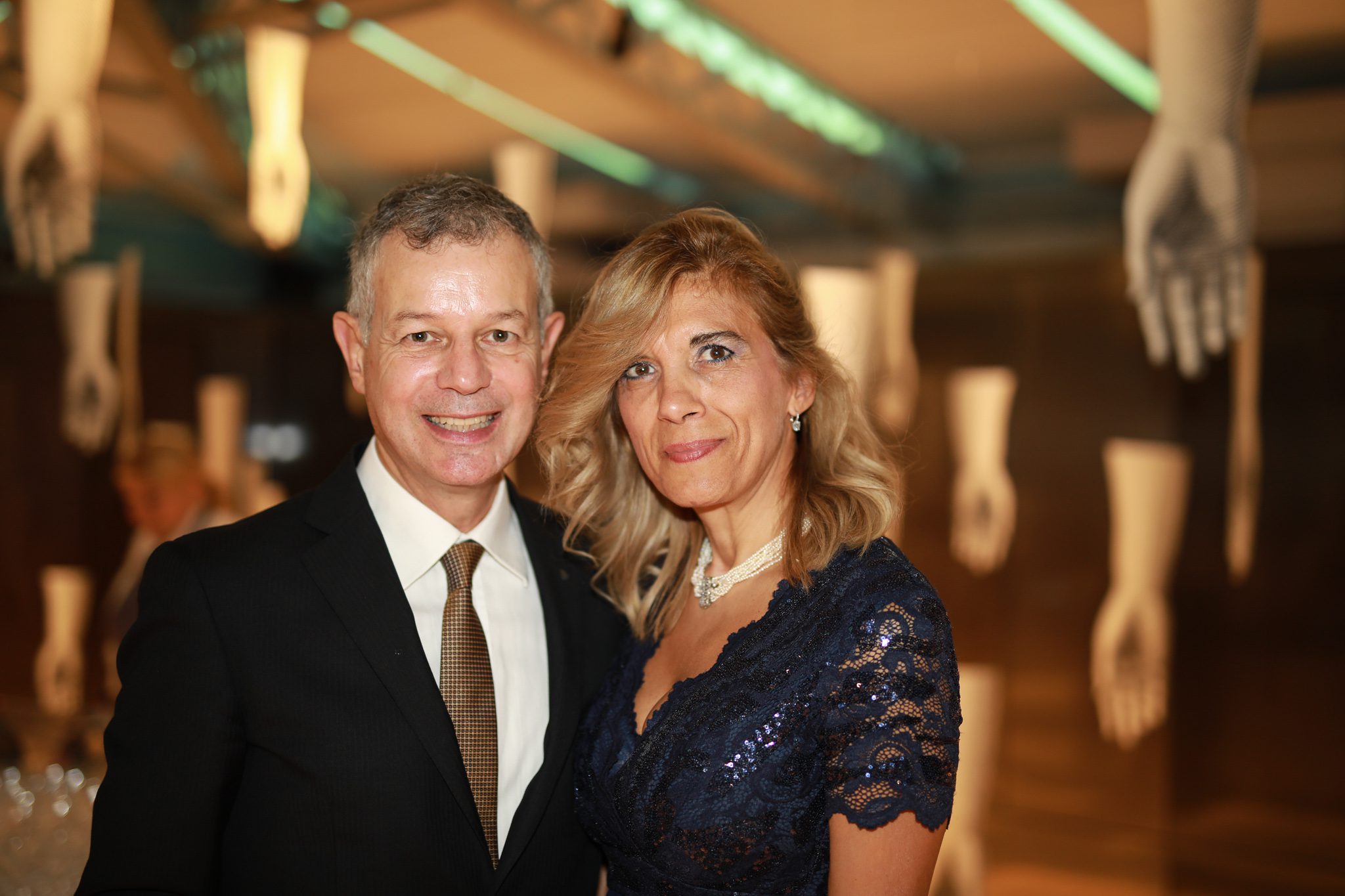
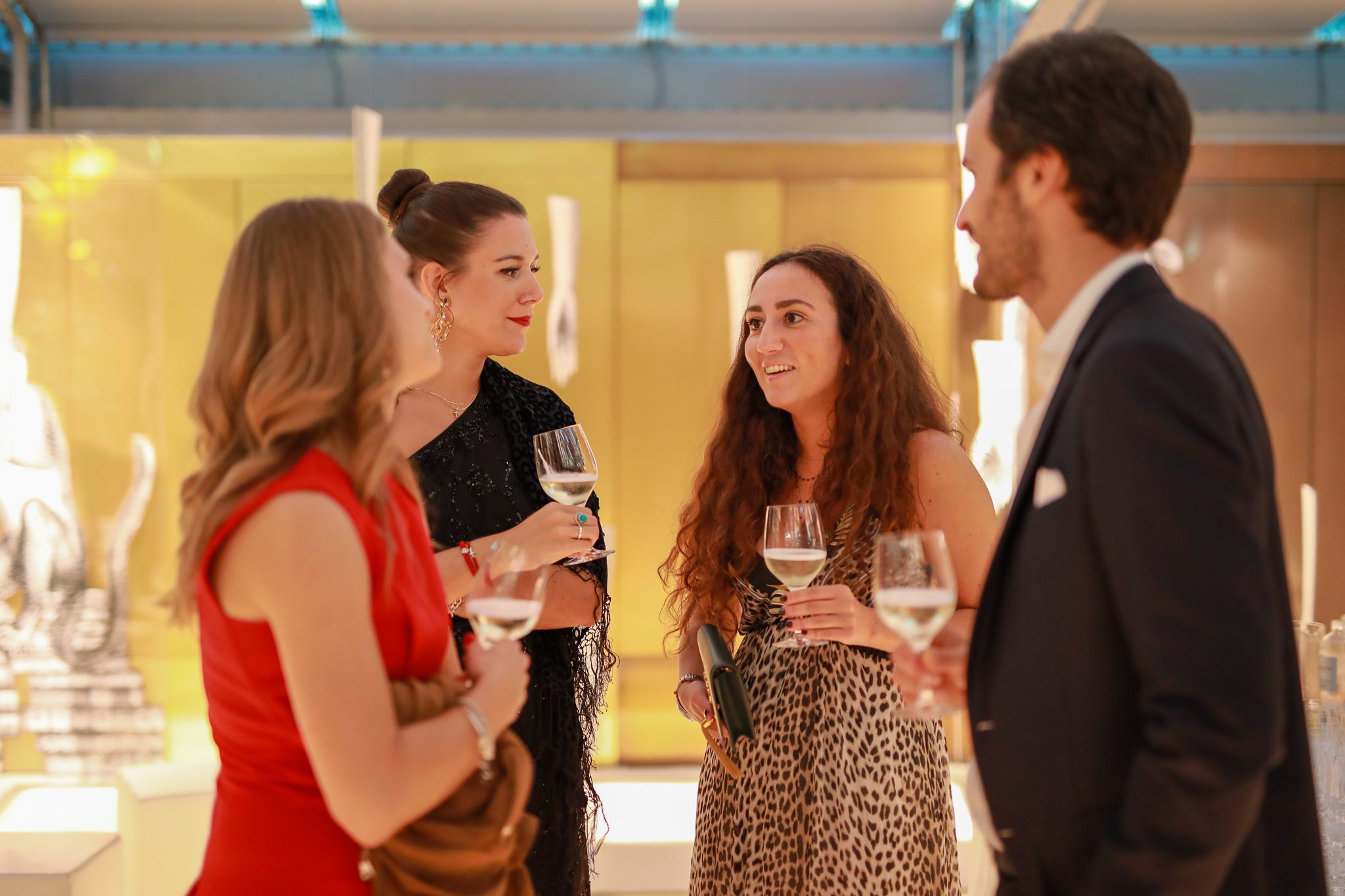
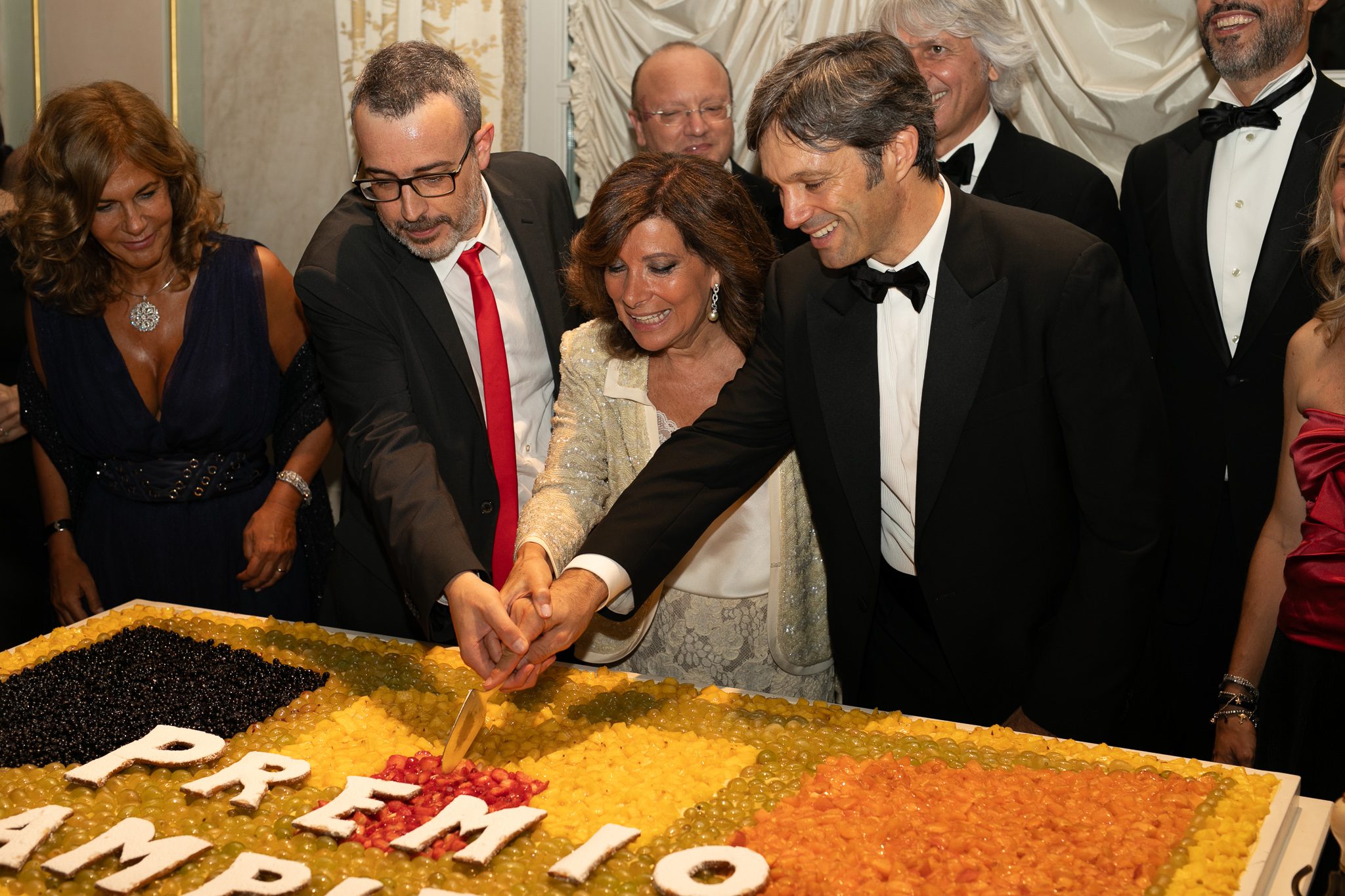
The photography covered guests’ arrivals, meetings with official representatives, photographs in front of the official backdrop, the settings, sponsors and interactions between finalists, dignitaries and guests.
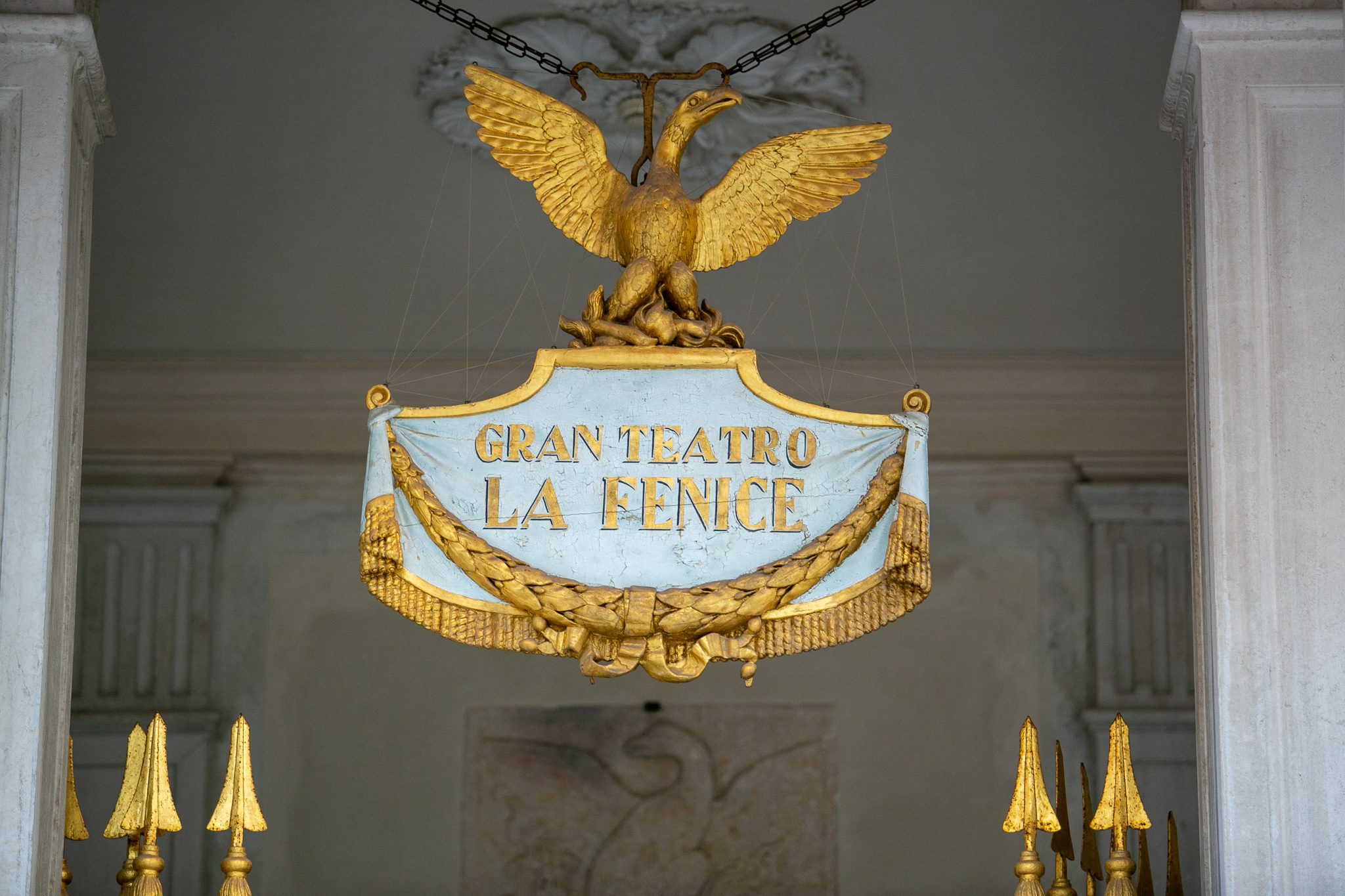
The evening then continued inside Teatro La Fenice.
Photographing in such a prestigious place requires great care.
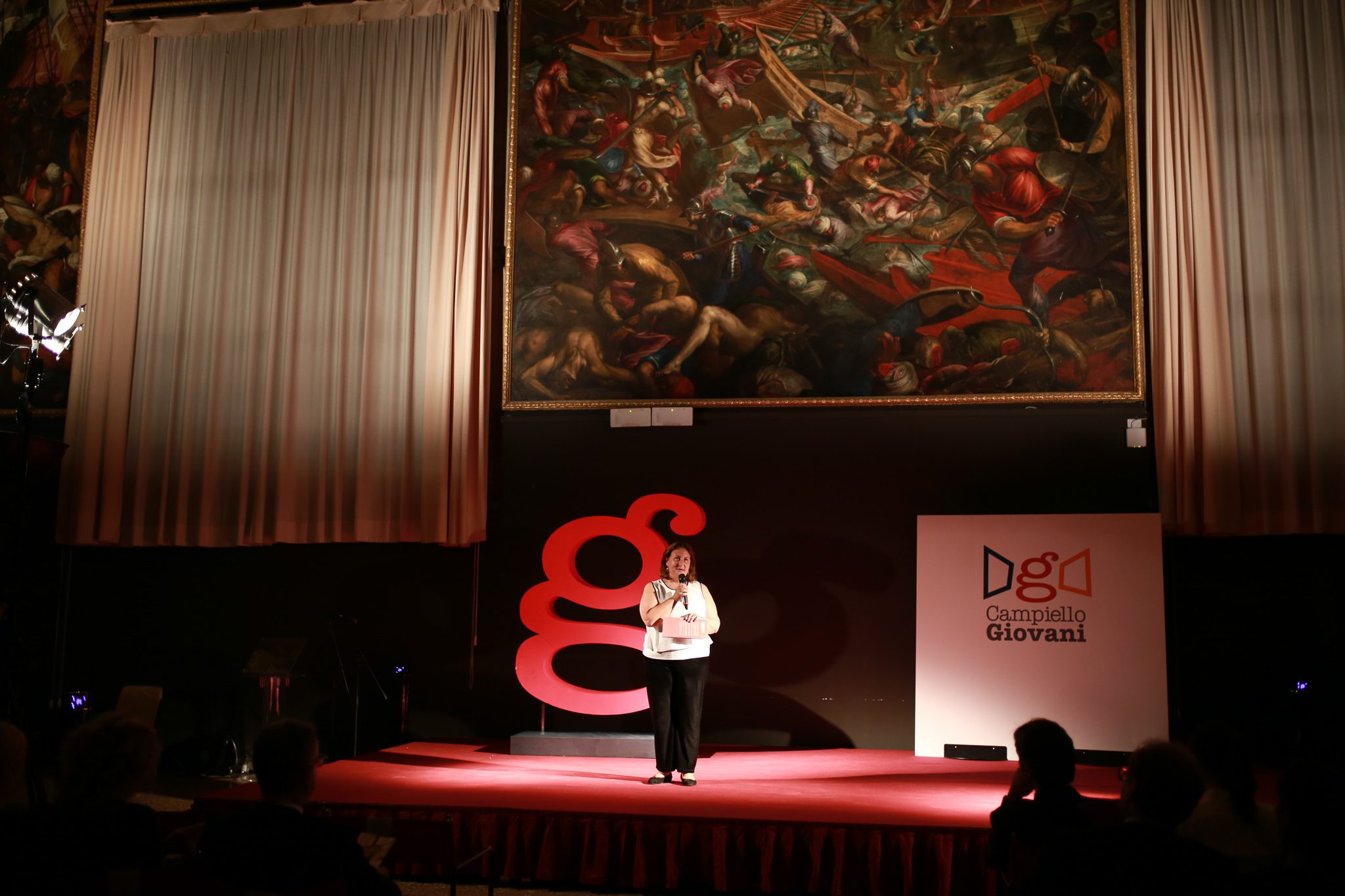
Theatrical lighting changes constantly, movement is limited, and the photographer must work with the utmost discretion, respecting the audience, ceremonial protocol and production instructions.
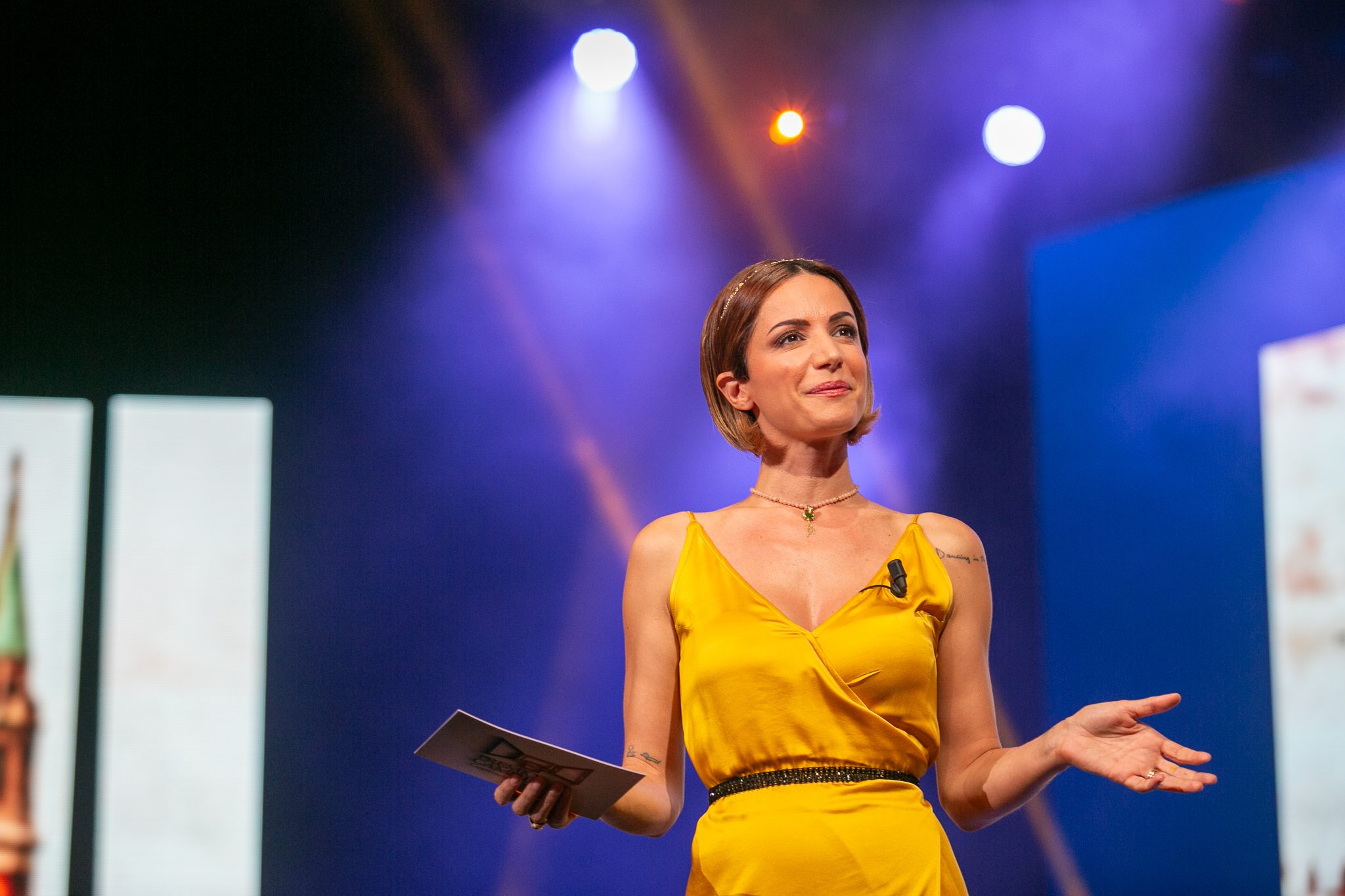
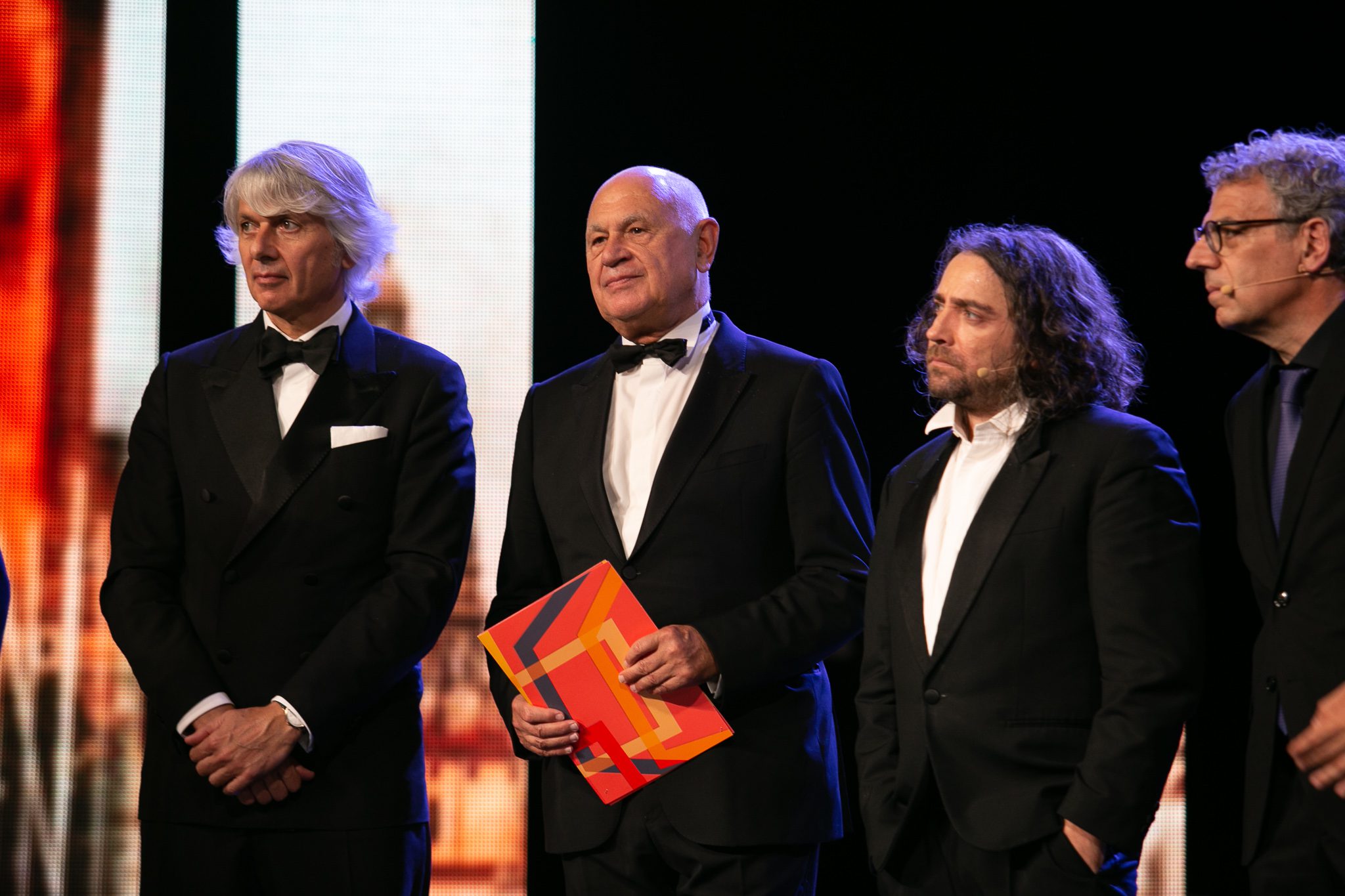
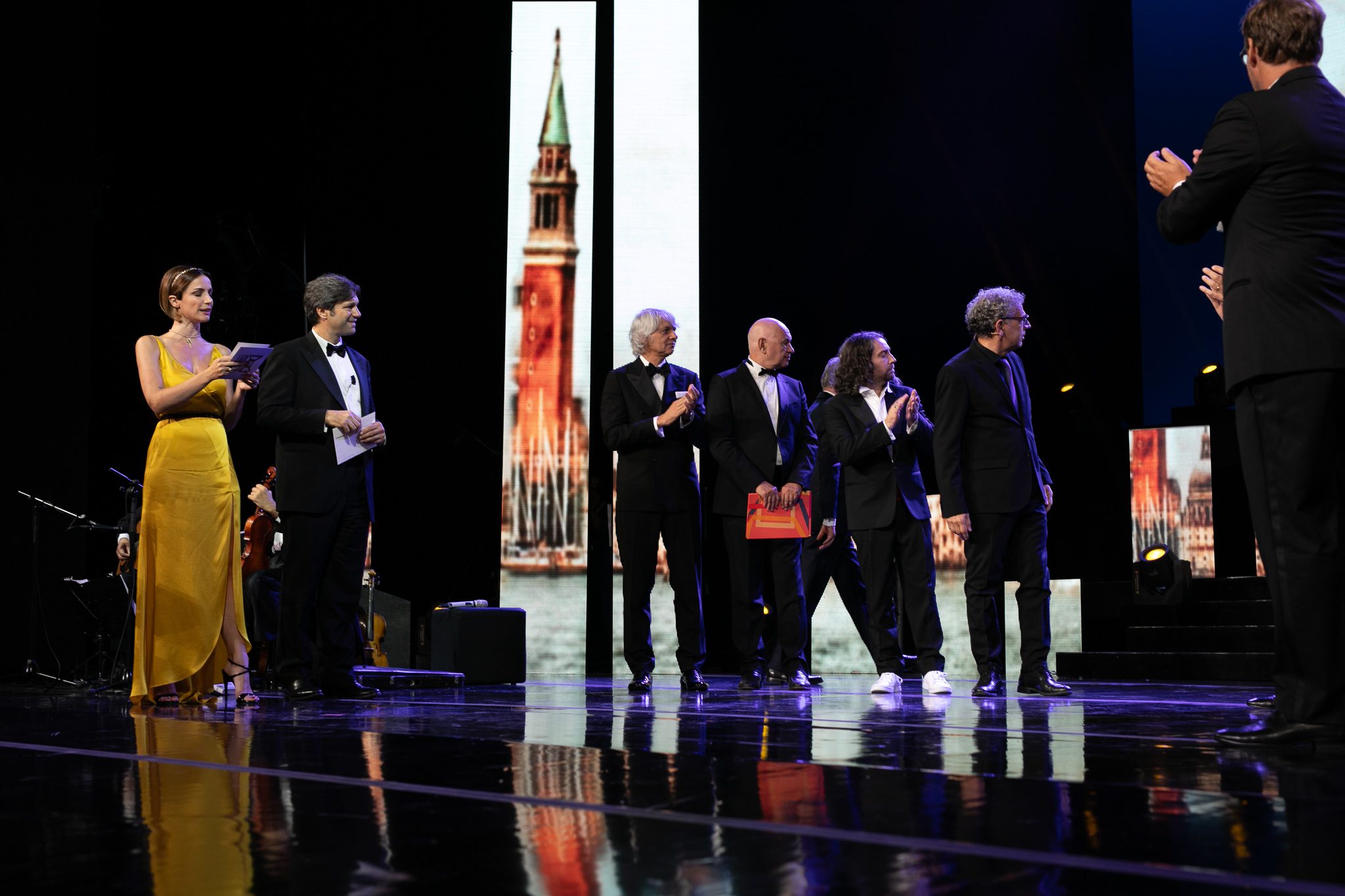
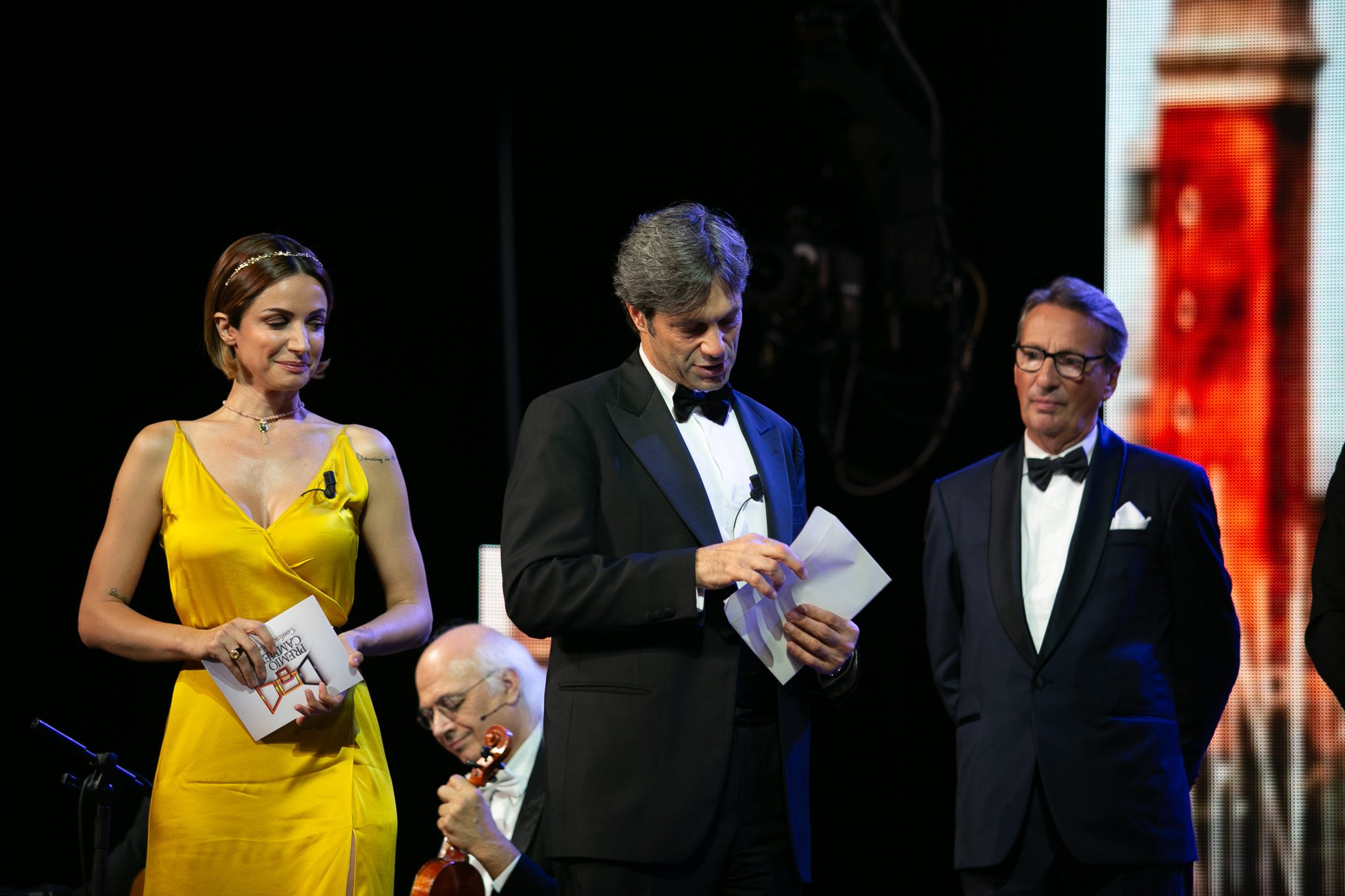
We needed to document the auditorium, stage, set, dignitaries present, official speeches, musical performances, award presentations, sponsors and, of course, the announcement of the winner.
Every image had to maintain a high technical and aesthetic standard, despite the fast pace of events and often challenging shooting conditions.
Documentation and emotional photography
A central requirement of the assignment was to produce photographs that went beyond a formal record of the event.
The images needed a recognisable character, strong visual impact and the ability to convey the atmosphere of the different days.
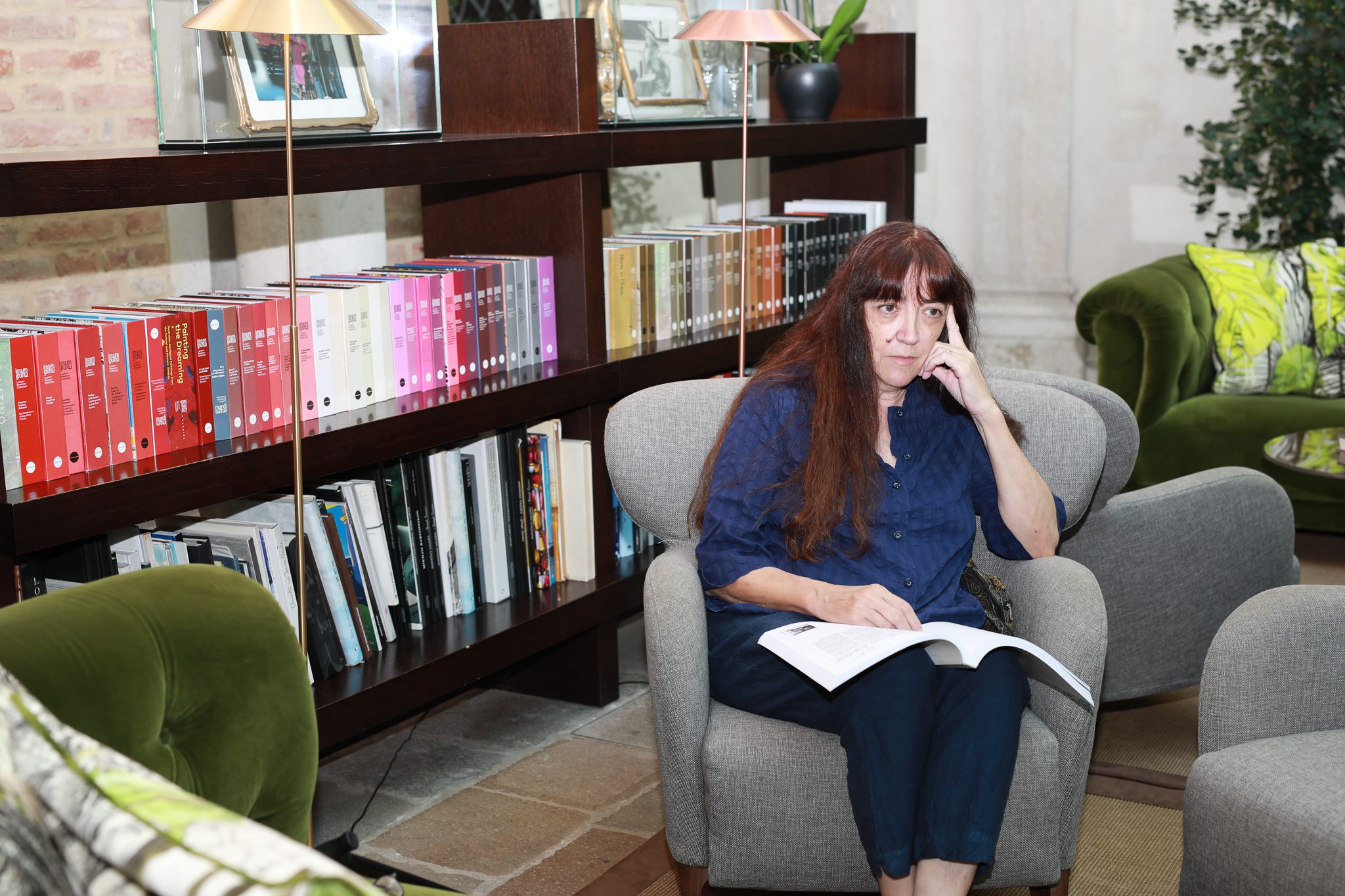
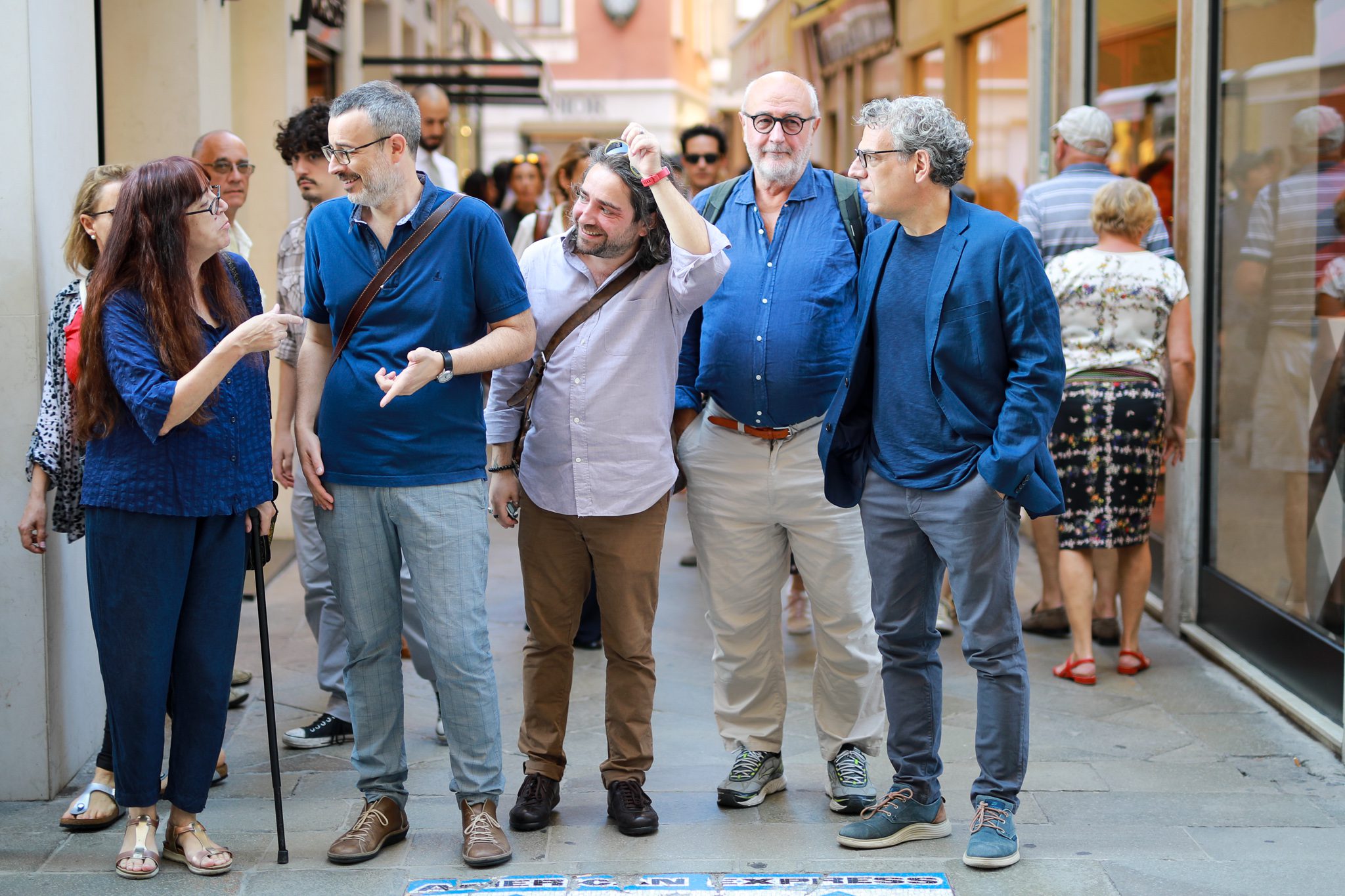
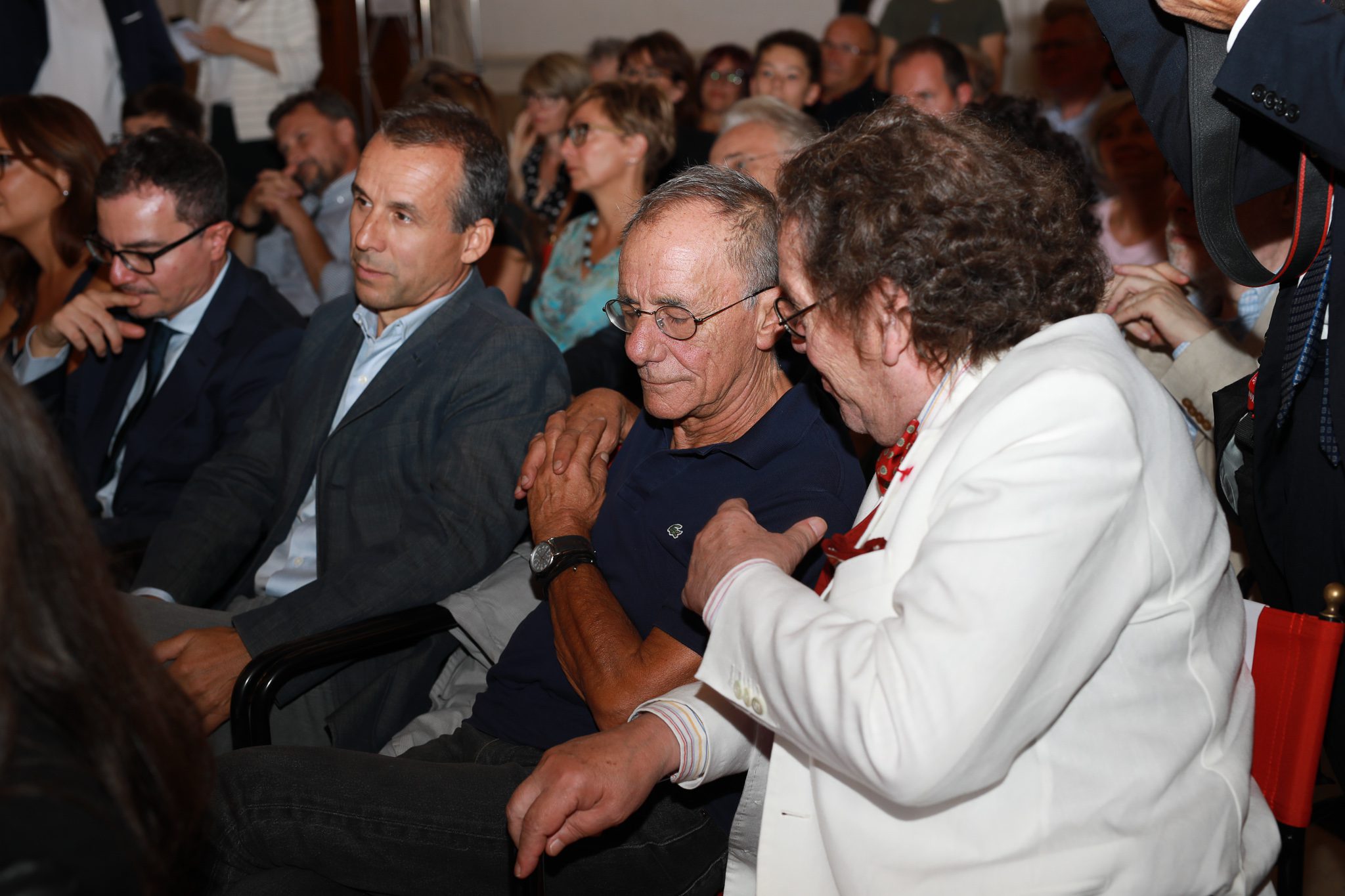
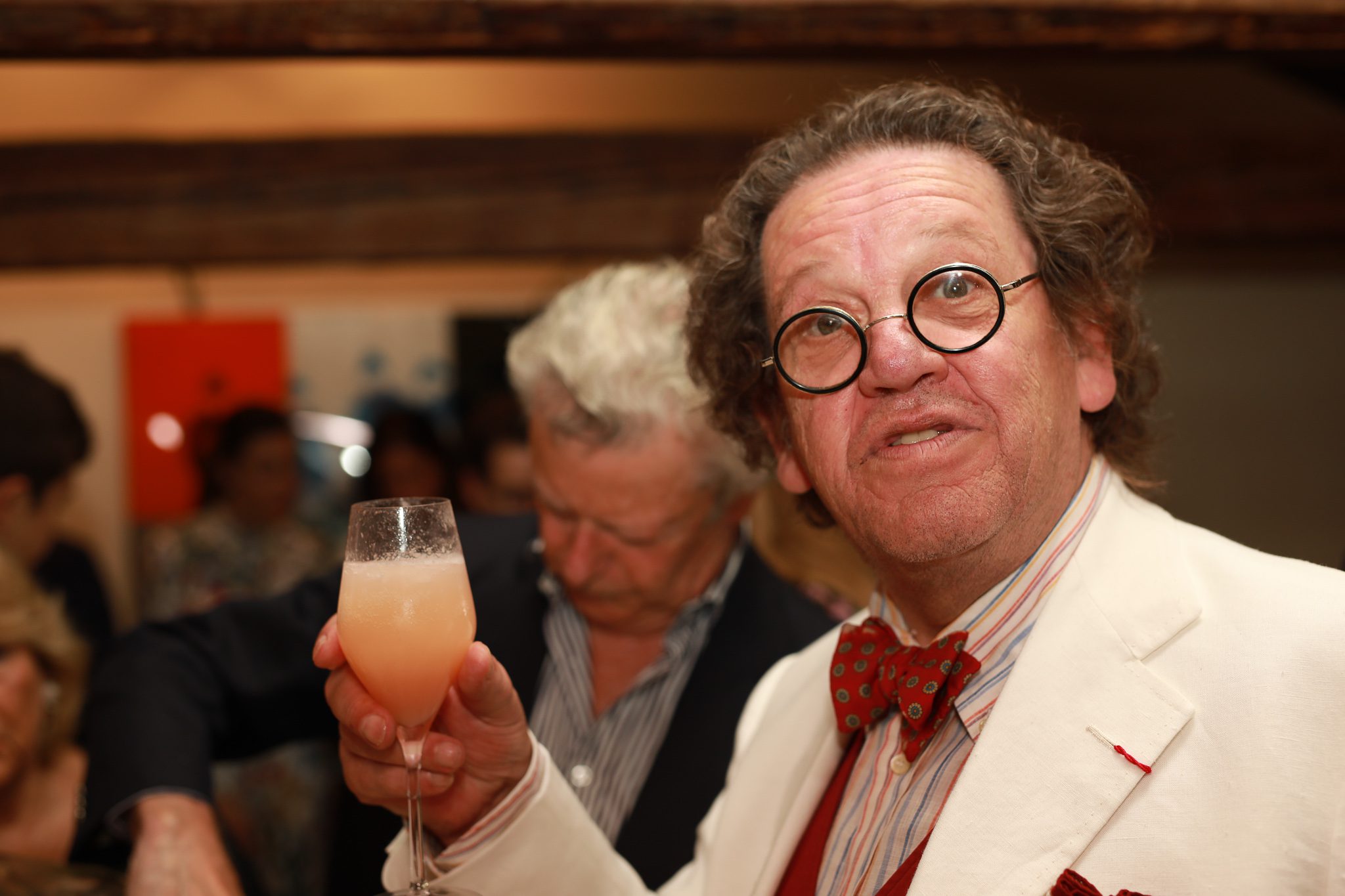
Alongside the official photographs, it was therefore essential to seek out glances, spontaneous gestures, the participants’ emotions, audience reactions and those brief informal moments that truly reveal an event’s atmosphere.
The event photographer’s value emerges in this constant interplay between control and instinct.
On one hand, every image specified in the brief must be delivered; on the other, we must remain open to the unplanned. Often, unexpected moments become the most authentic and representative photographs.
Coordinating the photography team
The programme’s complexity made it essential to work with several photographers.
My role therefore involved taking photographs and coordinating the team, allocating different areas of work, checking coverage of key moments and ensuring a consistent photographic style.
When several events take place simultaneously, good organisation must prevent both duplication and missed moments.
Each photographer must know where to be, whom to follow and which images to produce. At the same time, they need enough independence to respond to the unexpected and recognise new photographic opportunities.
Coordinating an assignment of this scale means maintaining an overview of the event, communicating quickly and making decisions without interrupting its normal flow.
Logistics: moving quickly through the heart of Venice
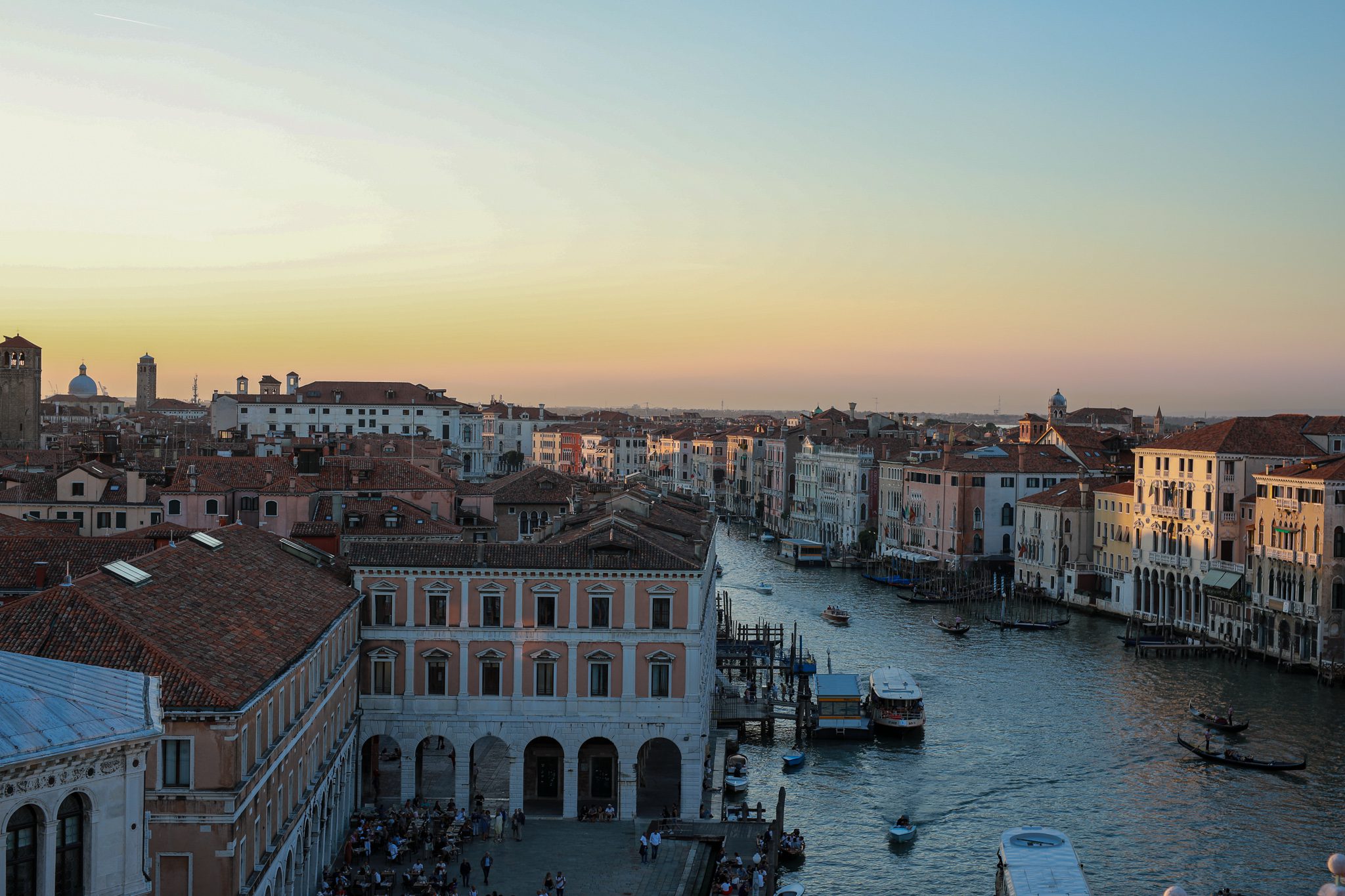
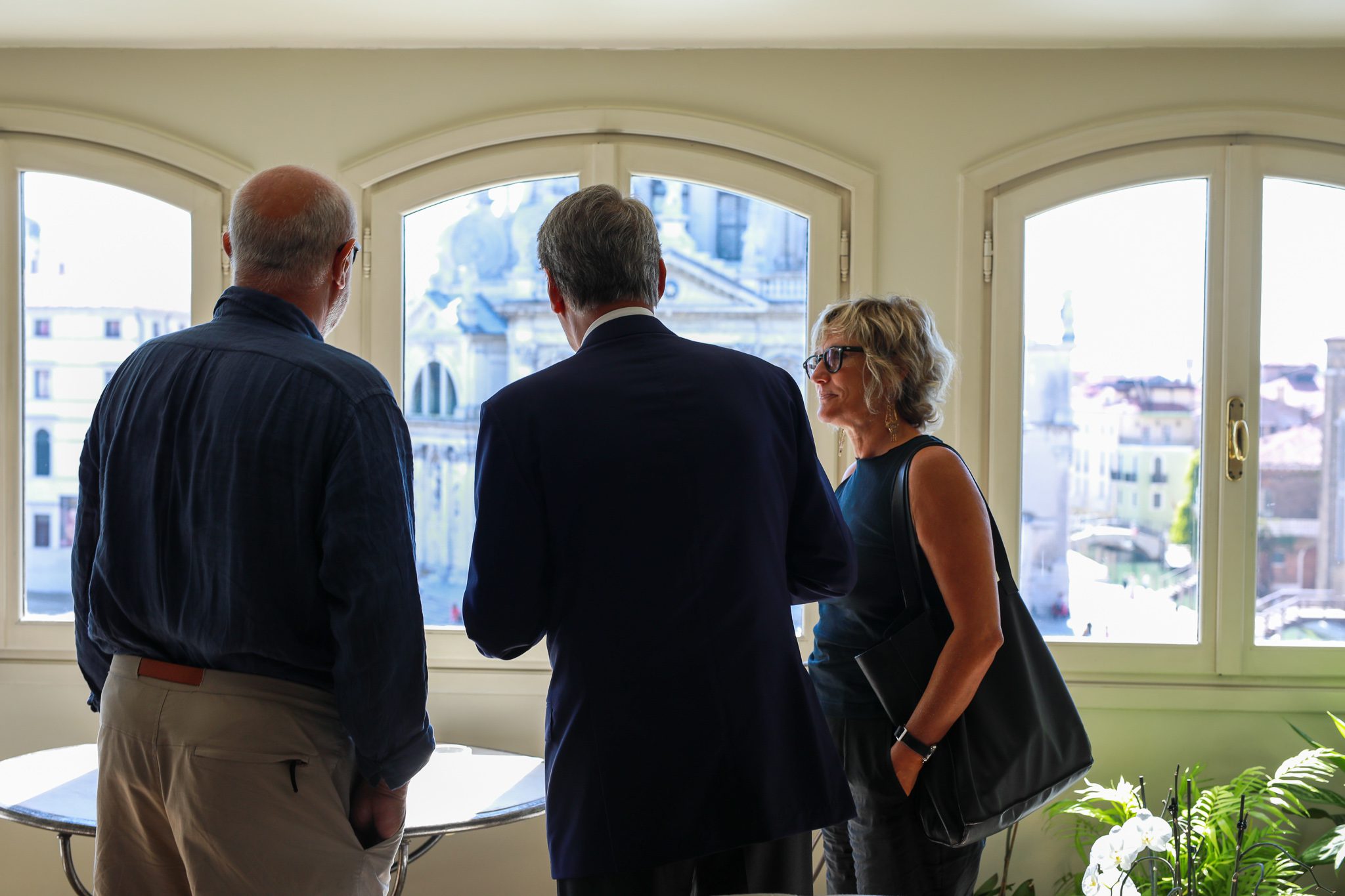
Venice adds to the charm of any event, but presents particular practical challenges.
Equipment must be chosen carefully, because every journey is made on foot or by the lagoon’s transport services.
Timings and distances must allow adequate margins, taking account of tourist crowds, restricted entrances, security checks and production requirements.
Moving from Palazzo Ducale to Museo Correr and then Teatro La Fenice required precise planning. A delay could have jeopardised coverage of an important, unrepeatable moment.
This is why an event photographer’s work begins long before the first photograph: studying locations, checking access, preparing equipment, managing backups, allocating tasks and analysing the running order are crucial to the final result.
Selecting and editing images through the night
The end of the day did not mean the end of the work.
Once back at the hotel, I began downloading, backing up, selecting and editing the images taken by the different photographers.
The photographs needed to be delivered very quickly for use by the organisers, press offices, partners and communication channels.
Working through the night was therefore an integral part of the assignment.
It meant reviewing thousands of images, quickly removing duplicates or unsuitable photographs, making the team’s material consistent and preparing a selection that told the full story of the event.
Speed, however, could not come at the expense of quality. Colour, brightness, cropping and visual consistency had to meet professional standards, even under the pressure of an urgent deadline.
The experience gained at the Premio Campiello
Photographing the 57th Premio Campiello was an important milestone in my professional journey.
It allowed me to strengthen skills I now regularly apply to corporate, cultural, congress and institutional event photography:
- planning complex assignments;
- managing tightly scheduled programmes;
- coordinating a photography team;
- working in prestigious locations;
- attention to protocol and official representatives;
- speed in selecting and delivering images;
- handling unexpected situations;
- balancing documentation with emotional storytelling.
A major event requires more than a technically skilled photographer.
It requires a reliable, discreet professional who understands the organisers’ needs.
You need to know when to move and when to stay still, when to follow the programme and when to anticipate it, when to take an official photograph and when to seek a more spontaneous image.
The value of professional event photography
An event’s photographs become a lasting communication resource.
They can be used by press offices, on social media and websites, in editorial publications, promotional materials and internal communications, and as a historical record for the organisation.
The photography must therefore be planned around the client’s goals, going beyond a simple collection of images.
Every event has an identity, an audience and a message. The photographer’s task is to translate these elements into a consistent, recognisable visual story that works across different channels.
The Premio Campiello experience confirmed for me how closely preparation, sensitivity and organisational skills are connected to the quality of the final result.
Photography means observing.
Photographing a major event means observing, anticipating and deciding in a few moments, while always maintaining control of the whole story.