· Blog · Photography techniques · Wedding
Blurred photograph or bokeh effect?
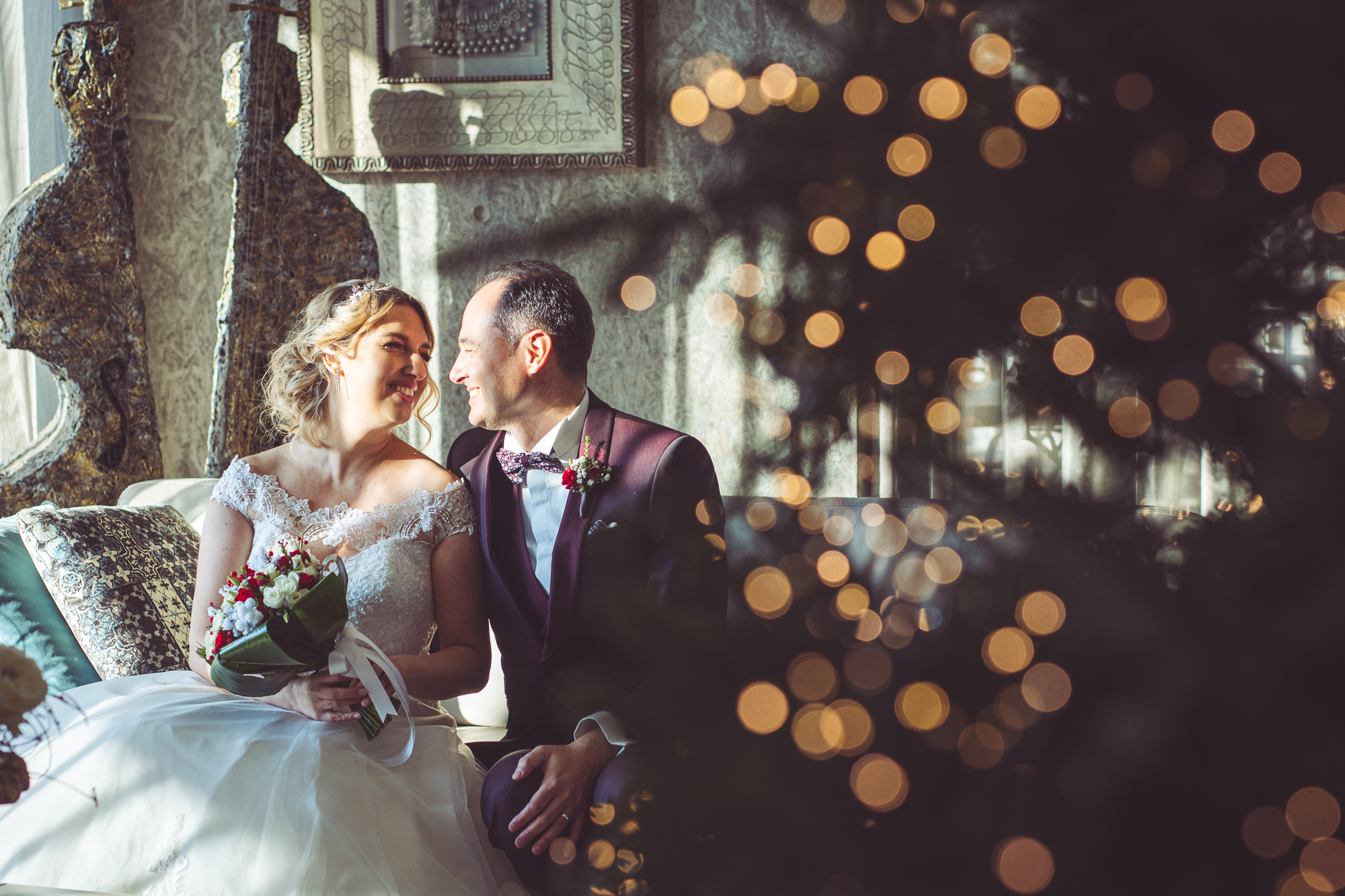
Today I wanted to explore this question with you and explain what lies ‘behind’ a photograph that only appears to be ‘blurred“.
The vast majority of people who press the button to take a photograph imagine an image where every detail, from the subject to the background, is perfectly in focus, don’t they?
In fact, using the ever-present camera on a smartphone or using lenses that are cheaper, slower and have a smaller maximum aperture, tends to flatten the image and reduce the blur.
For most image-makers, then, this is the standard for an ideal photograph to aim for.
But let’s go further. Have you heard of bokeh?
Bokeh is a Japanese term meaning ‘out of focus, blurred’. In photography, it describes the quality of a lens’s blur;
by extension, the bokeh effect refers to a particular blurring technique used in images to create strong visual impact.
But what purpose does blur serve in a photograph? As mentioned above, blur is usually considered unattractive and a sign of an unsuccessful photograph.
The bokeh effect, however, is not random or accidental blur. It is carefully considered and intentional, creating contrasts such as a sharply defined foreground subject standing out against an out-of-focus background (blurred background).
The aim of deliberate blur is precisely to make the foreground subject stand out from other surrounding elements.
And why use out-of-focus areas?
The main purposes of bokeh in photography are to:
- Emphasise the main subject and conceal an uninteresting background;
- Direct the viewer’s gaze towards the point of interest;
- Create a magical, romantic effect.
Photograph taken with a Canon EOS R5 and a Sigma Art 50mm-F/1.4 at 1/160 sec, F1.4 and ISO 125

Bokeh isolates the main subject of a photograph from its surroundings. Even if the background itself is interesting, when the aim is to emphasise the foreground, blur helps isolate it and make it stand out. A lens with the right bokeh is also ideal for capturing distinctive reflections; another lens would produce different reflections and effects.
Sometimes, it is ‘necessary’ to conceal an unattractive background or one that adds nothing to the situation around the main subject. In such cases, blurring the surroundings is an ideal way to hide it or divert the viewer’s attention.
Similarly, the viewer’s gaze can be guided towards the subject of interest. Here, blur helps emphasise only what you want to highlight — even within the same plane — by limiting the depth of field.
The out-of-focus effect does not necessarily serve to remove elements from the viewer’s attention, however. It can often enhance the image and create a kind of ‘magic”.
We find the magical effect of blur in entirely out-of-focus photographs, particularly night scenes with plays of light and interesting ‘ghost’ effects, or when the lights themselves create dreamlike atmospheres, or when the blurred background becomes the very focus of the image.
This explains the reason for this particular effect, which is used most often in photography for weddings, portraits, photography sessions for families, fashion and still life.
In the next technical article on the blog I will explain my photography kit and why I have chosen particular camera bodies and lenses as my main equipment.
A hint? Bokeh has a lot to do with it!